Professional Pasta Craftsmanship and Advanced Shaping
Dough Chemistry and Hydration
The Science of the Perfect Dough
Pasta dough is more than a recipe; it's a chemical reaction you control. The final texture, from a silky raviolo to a chewy orecchiette, is born from the precise interaction of flour and liquid. Forget measuring cups—in this game, weight is everything.
The foundation of any pasta is flour, but not all flours are created equal. The key difference lies in protein content. Hard durum wheat is milled into semolina, a coarse, high-protein flour that forms the backbone of most dried pastas in Southern Italy. Its robust gluten structure is perfect for shapes that need to hold up in boiling water.
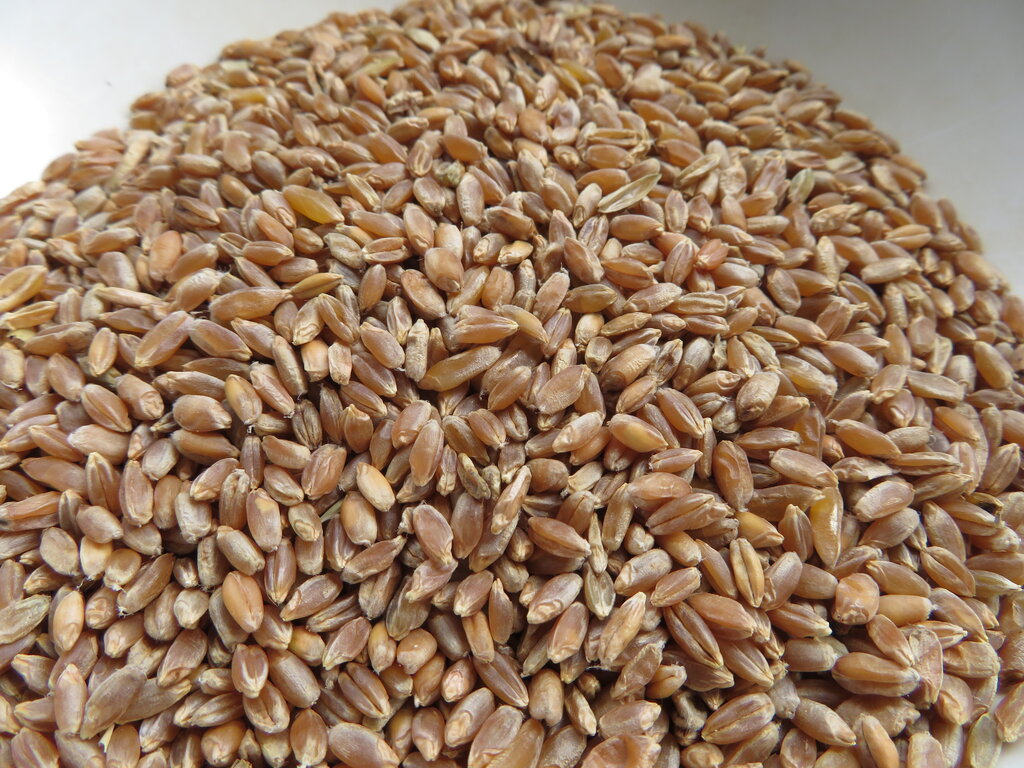
For fresh, delicate pastas, Northern Italian tradition calls for soft wheat flour. The gold standard is , which is incredibly fine and has a moderate protein content. This fineness allows it to hydrate evenly, creating a smooth, supple dough. All-purpose flour is a decent substitute, but its variable protein content and coarser grind can make achieving a perfect texture less predictable.
To achieve consistent results, always measure your ingredients by weight. Flour can compact in a measuring cup, throwing off your ratios by as much as 20%.
Water, Eggs, and Gluten
Hydration is the process of adding liquid to flour to activate gluten. Gluten is formed when two proteins in wheat, glutenin and gliadin, link together. This creates an elastic network that gives dough its structure and chew. The liquid you choose—water or eggs—fundamentally changes this network.
When making a simple semolina dough, you're relying purely on water. Flour is a fancy way of saying it loves to absorb moisture from its environment. As the semolina hydrates, the glutenin and gliadin form long, powerful gluten chains. This creates a very strong, less-extensible dough, ideal for extruded shapes like penne or hand-formed ones like cavatelli.
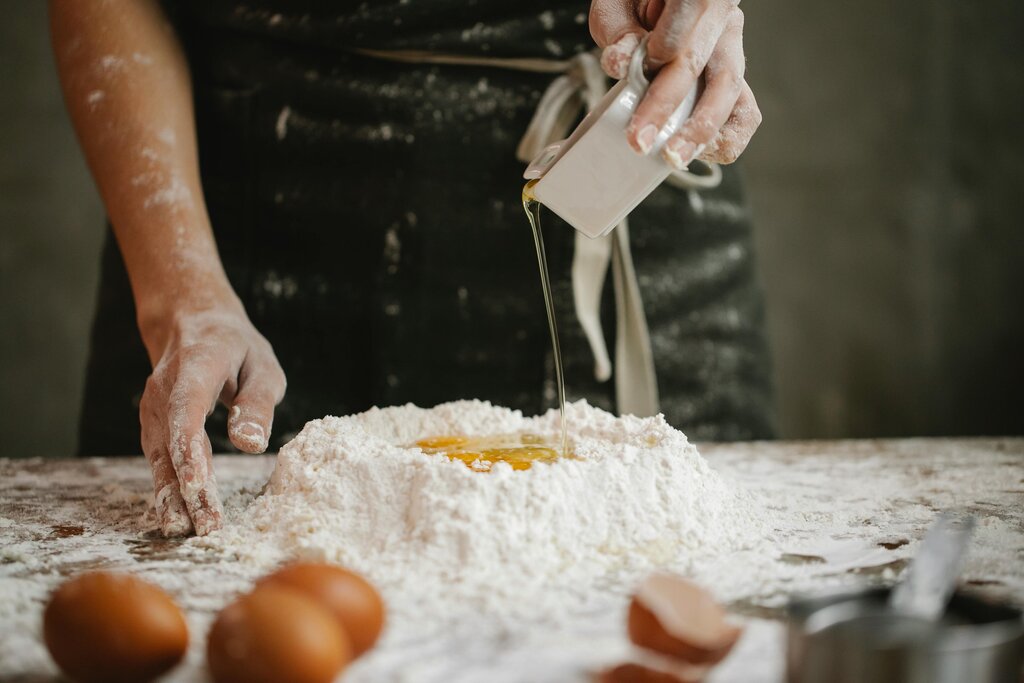
Egg doughs are a different story. An egg is roughly 75% water, but it's the other 25%—proteins and fats—that works the magic. The extra protein from the egg white reinforces the gluten network. More importantly, the fat (lipids) from the yolk gets in the way of gluten development.
These lipids coat the flour proteins, physically shortening the gluten strands that can form. This interference results in a dough that is less elastic but far more tender and rich—what we describe as a 'silky' texture. This is perfect for filled pastas like ravioli or delicate ribbons like tagliatelle, where a tough chew is undesirable.
Calculating Hydration
Pasta dough hydration is expressed as a percentage of the flour's weight. For egg pasta, the target is typically 50-57%. This means for every 100 grams of flour, you'll need 50 to 57 grams of egg. A large egg weighs about 50g without its shell, making the math simple: one large egg per 100g of flour gets you to a 50% hydration.
A dough at 50% hydration will be stiff and a bit tough to knead at first, but it will relax into a firm, pliable sheet that cuts cleanly. A higher hydration, say 57%, will be softer and easier to work with but may be stickier and require more dusting flour. This is the balance you learn to feel by hand. The final texture you're aiming for is the famous bite—firm, but not chalky or raw. This perfect snap is the result of a well-developed gluten network that has been perfectly hydrated and cooked just enough to set its structure without turning mushy.
Now let's check your understanding of these core concepts.
When making an egg pasta dough, what is the primary function of the fat from the egg yolk?
Which type of flour is traditionally used for southern Italian dried pastas like penne and cavatelli due to its high protein content and robust gluten structure?