Professional Napier Grass Cultivation in India
Variety Selection
Choosing Your Champion Grass
Selecting the right Napier grass variety is the first critical decision for high-yield cultivation. It's not a one-size-fits-all situation. The ideal choice depends entirely on your local climate, soil type, and the specific nutritional needs of your livestock. India's diverse agro-climatic zones mean a variety that thrives in the humid south might struggle in the semi-arid north. Let's break down the most popular hybrid varieties to help you make an informed decision.
The CO Series Legacy
Developed by Tamil Nadu Agricultural University (TNAU), the 'CO' series has long been a staple for Indian farmers. Hybrids like CO-3 and CO-4 became popular for their reliable yields and good adaptability. They established a baseline for what farmers could expect from cultivated fodder grass.
CO-3 is known for its broad leaves and vigorous growth, offering substantial biomass. CO-4 was an improvement, featuring a better and higher palatability for animals. However, both can become fibrous or woody as they mature, which can reduce digestibility.
The game changed with the introduction of CO-5. This variety was specifically bred for higher yields and softer stems, making it much more suitable for Indian soil conditions and feeding practices. It boasts a faster regeneration capacity after cutting and provides a consistent supply of high-quality green fodder. Its non-lodging trait, meaning it resists falling over, also simplifies harvesting.
Availability of such information helps to determine what characteristics a variety needs to perform well.
The High-Yield Contenders
More recent innovations have brought even higher-yielding varieties to the forefront. , also known as Pakchong 1, is a sterile hybrid from Thailand that has gained immense popularity. It's celebrated for its massive biomass production, rapid growth, and high protein content, often exceeding that of the older CO varieties. Since it's sterile, it must be propagated vegetatively using stem cuttings.
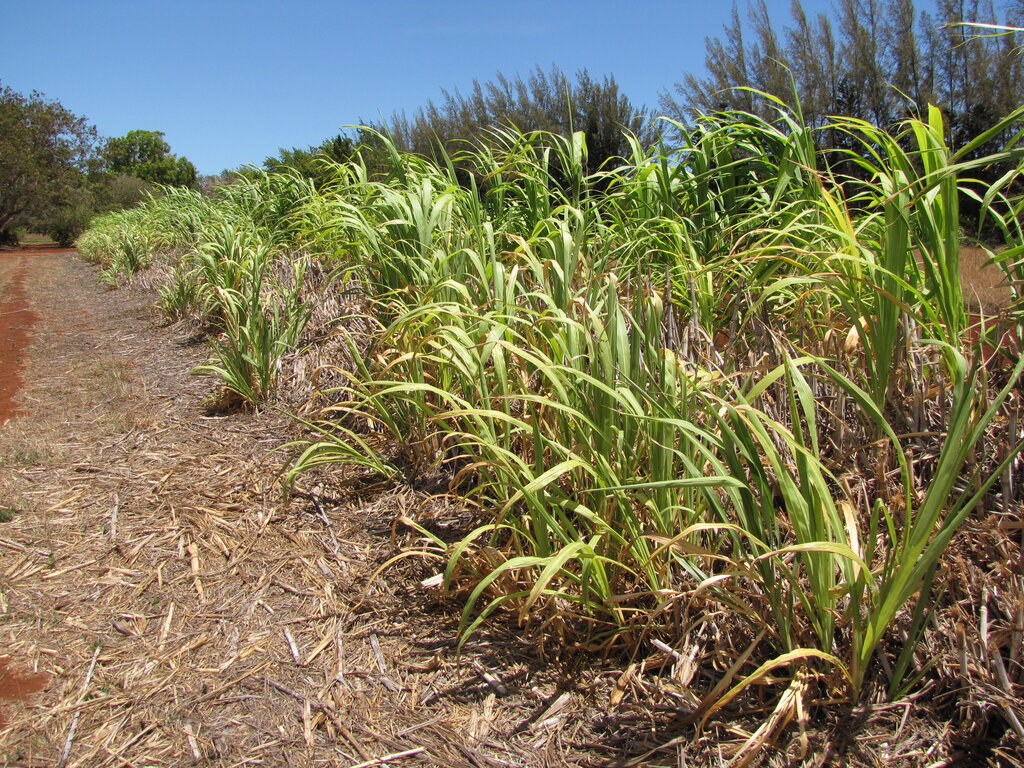
Another strong performer is DHN-6 (Dharwad Hybrid Napier-6). It's often compared directly with Super Napier. While Super Napier might produce slightly more biomass, DHN-6 is praised for its soft, succulent stems and higher palatability. It also has a good leaf-to-stem ratio and is less prone to becoming woody, making it a favourite for dairy farmers who prioritize nutritional quality over sheer bulk.
Matching Variety to Region
The final decision rests on your geography. In the humid, tropical regions of South India, like Kerala and Tamil Nadu, varieties like CO-5 and Super Napier perform exceptionally well due to ample moisture and warmth. They can be harvested multiple times a year, providing a steady stream of fodder.
Conversely, in the semi-arid northern and western regions, such as Rajasthan or parts of Maharashtra, drought tolerance becomes a more critical factor. While Napier grass is generally hardy, varieties like CO-3 or DHN-6, which have robust root systems, might establish better and withstand periods of water stress more effectively.
| Variety | Annual Yield (Tonnes/Acre) | Crude Protein (%) | Best Suited For |
|---|---|---|---|
| CO-3 | 140 - 160 | 8 - 10 | Hardy, adaptable to varied conditions |
| CO-4 | 150 - 170 | 10 - 12 | General purpose, improved palatability |
| CO-5 | 160 - 180 | 12 - 14 | High yield, soft stems, good for dairy |
| Super Napier | 180 - 200 | 16 - 18 | Maximum biomass, silage making |
| DHN-6 | 170 - 190 | 14 - 16 | High palatability, good for direct feeding |
Nutritional value, especially content, is directly linked to livestock productivity. For high-producing dairy cattle, a higher protein content like that found in Super Napier or CO-5 is essential. For maintenance feeding or for other livestock, the slightly lower protein in CO-3 or CO-4 might be perfectly adequate. Always align your choice with your farm's specific goals.
What is a major characteristic of the Super Napier (Pakchong 1) variety?
A dairy farmer in a semi-arid region like Rajasthan prioritises palatability and drought tolerance over sheer bulk. Which Napier grass variety would be the most appropriate choice?
By analysing these factors—yield, nutrition, and regional suitability—you can select the Napier grass hybrid that will be a true champion for your farm.