Professional Makeup Artistry Masterclass
Professional Skin Theory
Beyond the Surface
As a professional, you know that a flawless makeup application is built on the skin, not just on top of it. To truly master longevity, you need to understand the canvas itself. Let's look past the surface and into the skin's structure, specifically the epidermis.
The epidermis is the outermost layer of your skin, but it's not just one flat sheet. It’s composed of multiple sub-layers. The most important one for makeup artists is the , the very top layer. Think of it as a wall made of flattened, dead skin cells (the bricks) held together by lipids (the mortar). A smooth, well-maintained stratum corneum means a smooth makeup application. If it's rough or flaky, your foundation will catch and look uneven, no matter how expensive it is.
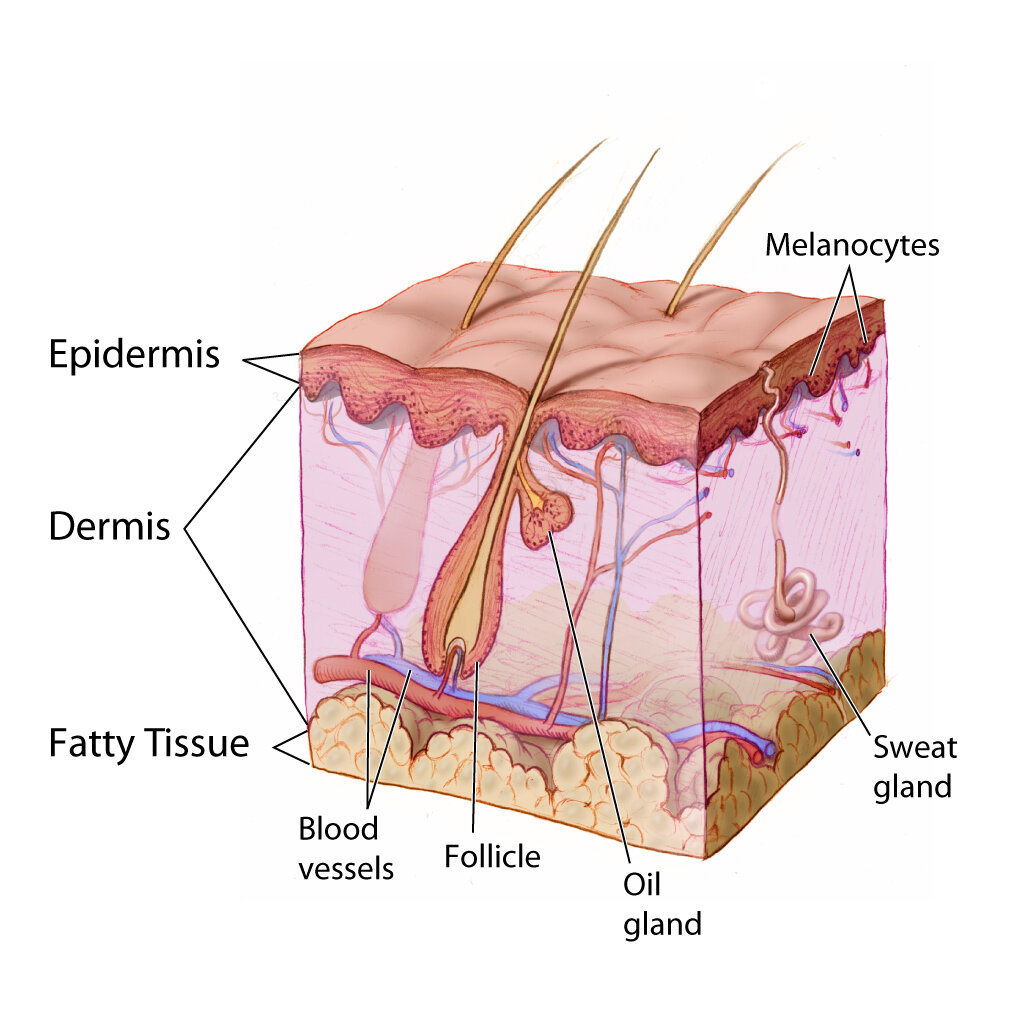
Covering the stratum corneum is a delicate, invisible film called the acid mantle. It's a mix of sebum (your skin's natural oil) and sweat. This barrier is crucial. It has a slightly acidic pH, which helps fend off harmful bacteria and maintain skin health. When this barrier is compromised—through harsh products or over-exfoliation—the skin becomes vulnerable to dehydration and irritation. This directly impacts how makeup sits and wears throughout the day.
The Sebum Story
Sebum is often seen as the enemy of long-lasting makeup, but its role is more nuanced. The amount and consistency of sebum a person produces dictates how foundations interact with their skin. For someone with oily skin, the excess lipids can break down the pigments in foundation over time, causing it to separate and shift. This process is often what causes foundation to oxidise, or turn a shade darker.
Conversely, skin that produces too little sebum can also be problematic. Without enough natural oil to keep the stratum corneum pliable, the skin can become dry and flaky. Foundations, especially powder or matte formulas, will cling to these dry patches, accentuating texture.
Sebum
noun
An oily, waxy substance produced by your body’s sebaceous glands. It coats, moisturises, and protects your skin.
The health of the acid mantle is tied to its pH level. Healthy skin typically has a pH between 4.7 and 5.75. Many cleansers, especially foaming ones, are alkaline and can temporarily disrupt this balance, stripping the skin and leaving it feeling tight. Using a pH-balancing toner after cleansing can help restore the acid mantle quickly, creating a more stable base for moisturisers and primers.
Prepping for Performance
For a high-stakes shoot or a wedding day, basic prep isn't enough. We need to tailor the preparation to manipulate the skin's condition for maximum longevity. This is where we distinguish between dehydrated and oily skin.
Dehydrated skin lacks water, not oil. It can feel tight and show fine lines, even if it produces sebum. The key here is layering humectants—ingredients that attract and hold onto water. Think hydrating mists, essences with hyaluronic acid, and lightweight, gel-based moisturisers. These plump the skin from within, creating a smooth, hydrated canvas that won't drink up the moisture from the foundation.
For truly oily skin, the goal is control without stripping. Start with a gentle exfoliating cleanser containing salicylic acid (a BHA), which can dissolve oil deep within the pores. Follow with a mattifying toner and an oil-free moisturiser. This approach helps regulate sebum production throughout the day, rather than just blotting it away at the surface.
Professional skin prep isn't about a single product; it's a strategic sequence that balances the skin's immediate needs with the demands of long-wear makeup.
We can also refine skin texture through physical and chemical means. A light physical exfoliation with a gentle scrub or a muslin cloth can instantly lift away dead cells. For a deeper, more lasting effect, chemical exfoliants are superior. An , like glycolic or lactic acid, is great for surface texture and dryness. A BHA (beta-hydroxy acid), like salicylic acid, is oil-soluble, making it ideal for penetrating pores and managing oiliness.
The Chemistry of a Flawless Base
The ingredients in your prep products have a direct chemical interaction with both the skin and the foundation you apply over them. Understanding this relationship is non-negotiable.
Silicones, like dimethicone, are stars in smoothing primers. They work by filling in fine lines and pores, creating an exceptionally slick surface. This is perfect for reducing the appearance of texture. However, if you layer a silicone-heavy primer over a rich, oil-based moisturiser, you might experience 'pilling' as the water-repellent silicone slides over the oil instead of adhering. It's crucial to pair silicone primers with lightweight, fast-absorbing moisturisers.
On the other hand, you have humectants like glycerine. is a fantastic ingredient that draws moisture into the skin, giving it a plump, dewy look. Many 'gripping' primers are rich in glycerine. They create a slightly tacky surface that foundation can really adhere to. This is brilliant for longevity, but it can sometimes alter the finish of a very matte foundation, giving it more of a satin look. You must manage client expectations about the final finish.
By understanding the histological and chemical principles at play, you can move from simply applying makeup to truly designing a look that is resilient, beautiful, and perfectly adapted to the canvas you're working on. This knowledge is what elevates a good makeup artist to a great one.
What is the primary function of the acid mantle on the skin's surface?
A client's foundation appears to separate and darken in shade a few hours after application. What is the most likely cause related to their skin's condition?