Professional Graphic Design Execution
Grid Systems
The Unseen Architecture
Beneath every well-organized design, from a sleek magazine spread to a complex website, lies an invisible skeleton: the grid. A grid isn't just about forcing elements into boxes; it's a system for creating order, clarity, and a professional rhythm. It guides the placement of text, images, and other components, ensuring they feel connected and intentional.
A grid system is built from a few key components working together. Columns are the primary vertical divisions of the page, creating the main structure for content. The space between columns is called the gutter, which prevents elements from crashing into each other. Rows are the horizontal divisions, and when combined with columns, they create individual units of space called modules. Finally, margins are the empty space around the edge of the page, creating a clean frame for the entire composition.
Columns and Modules
The two most common types of grids are column grids and modular grids. A column grid is the simpler of the two, dividing the page into a set number of vertical fields. Think of a classic newspaper layout; its content is organized neatly into columns, which makes dense text easy to read. This structure is excellent for documents that are primarily text-based.
A modular grid takes this a step further. It's essentially a column grid with horizontal divisions added, creating a field of modules. This approach provides more granular control, making it perfect for complex layouts that need to accommodate text, images, data visualizations, and interactive elements. Most websites you visit are built on some form of modular grid, allowing for flexible and responsive arrangements of content on different screen sizes.
| Feature | Column Grid | Modular Grid |
|---|---|---|
| Structure | Vertical columns only | Columns and horizontal rows |
| Best For | Text-heavy documents (articles, books) | Complex layouts (websites, posters) |
| Flexibility | Limited; guides vertical placement | High; guides both vertical and horizontal placement |
| Example | Newspaper article | E-commerce product page |
The widespread adoption of grid systems in modern graphic design is heavily influenced by the , which emerged in Switzerland in the 1950s. Designers like Josef Müller-Brockmann championed the use of modular grids to create objective, clear, and universally understood communication.
Typographic Rhythm
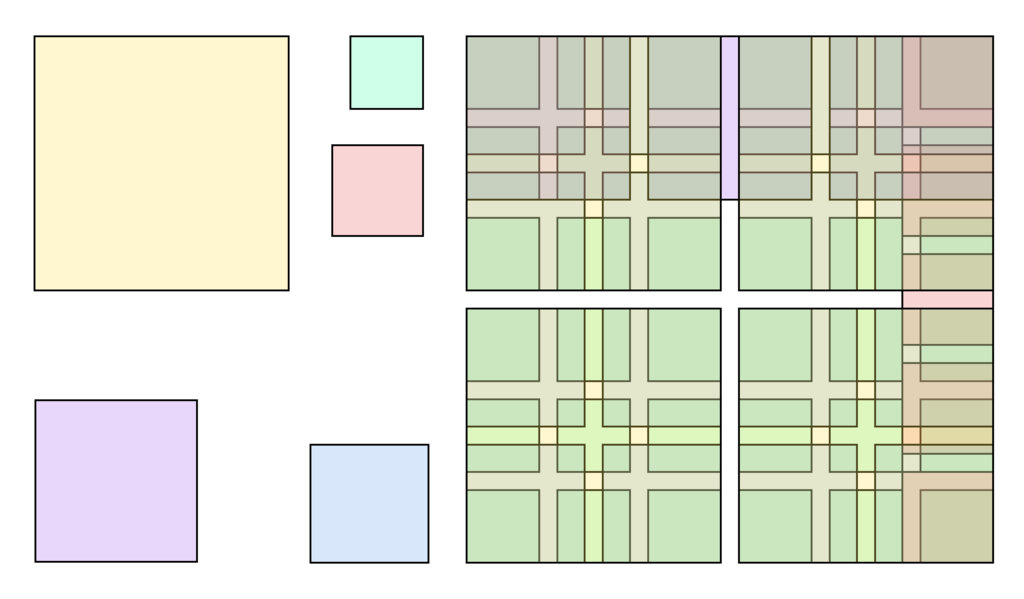
While column and modular grids organize the macro layout, the baseline grid handles the micro details of typography. A baseline grid is a series of evenly spaced horizontal lines that run across the page. Its purpose is to create vertical rhythm. By aligning the baseline of all your text—from headlines and subheadings to body copy and captions—to this grid, you ensure a consistent and harmonious vertical flow.
This subtle alignment makes a huge difference in readability. When text across adjacent columns and pages shares a common baseline, the entire document feels more polished and professional. It prevents the choppy, uneven look that occurs when lines of text don't line up, guiding the reader's eye smoothly through the content.
A baseline grid is the foundation for consistent typographic rhythm on a page.
Breaking the Grid
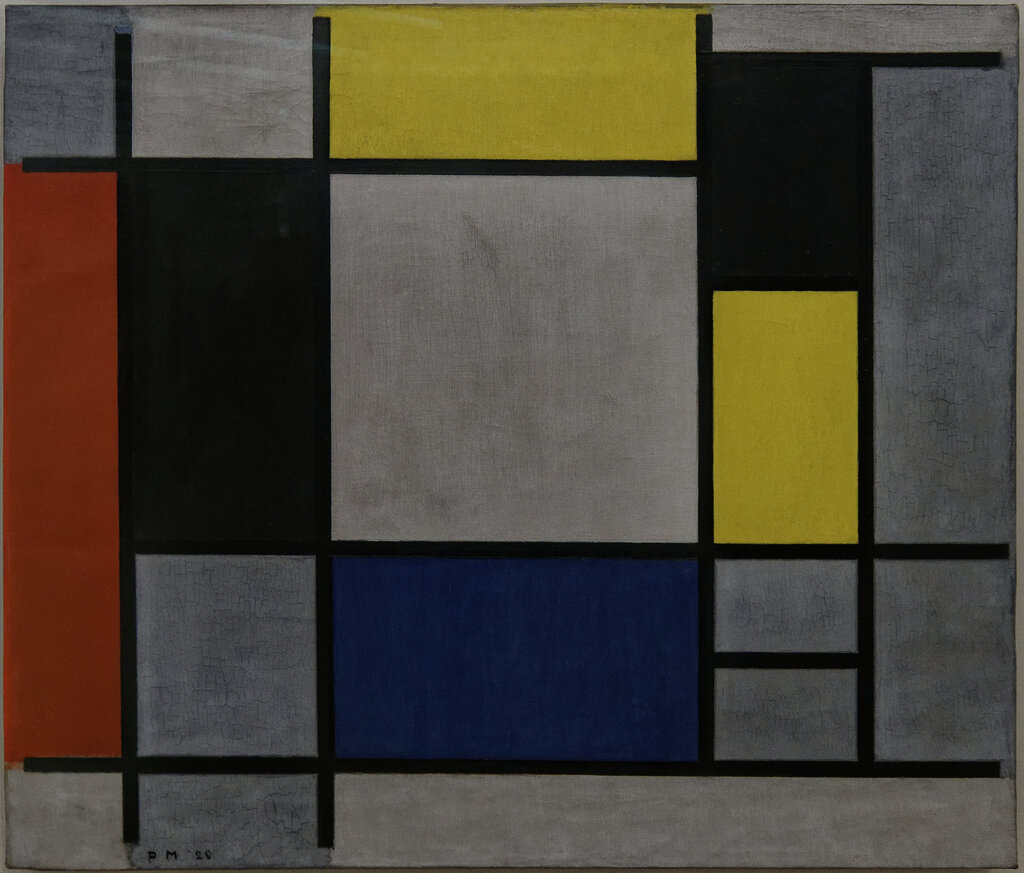
Once you understand the rules of the grid, you can learn how to break them effectively. Breaking the grid means intentionally placing an element so that it doesn't align perfectly with the underlying structure. This isn't a mistake; it's a strategic choice to create emphasis, energy, and visual interest.
A photo that bleeds across a gutter, a headline that overlaps a column, or an illustration that sits at an unusual angle can draw the viewer's eye and break up the monotony of a perfectly ordered page. The key is to do it with purpose. A design where everything breaks the grid is just as chaotic as one with no grid at all. The most successful layouts use a strong grid for 80-90% of the content, then carefully choose one or two elements to deviate from it. This contrast between order and disruption is what creates a dynamic and memorable composition.
What is the primary purpose of a grid in graphic design?
In a grid system, what is the term for the space between columns?