Professional Ginger Farming and Post Harvest Mastery
Site Selection and Soil
Finding the Right Spot
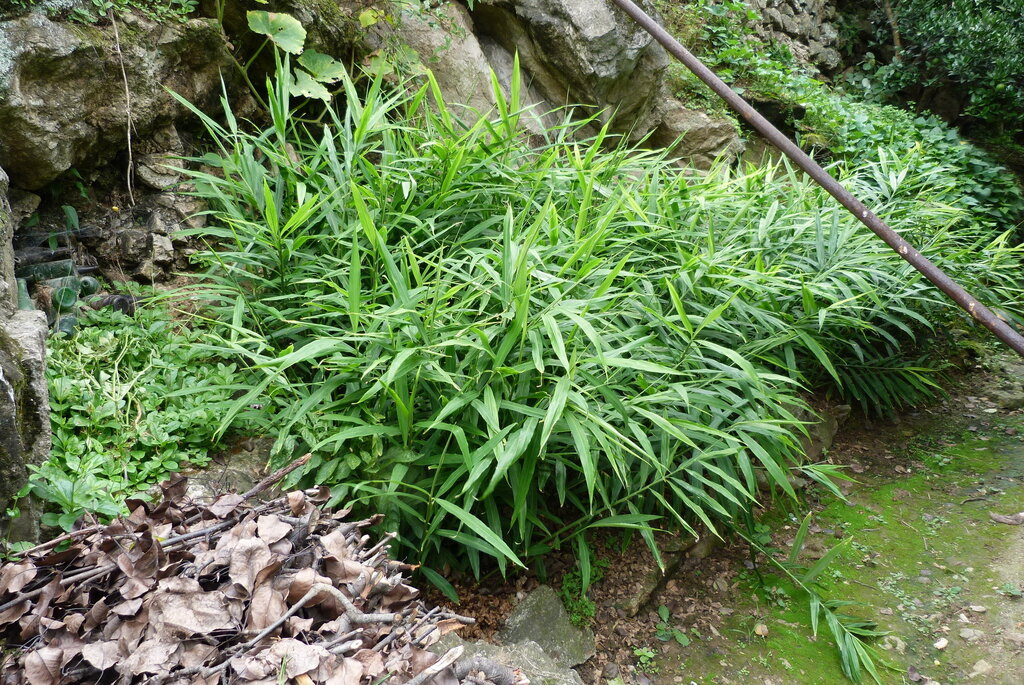
Commercial ginger production starts with location. The ideal site for ginger (Zingiber officinale) is situated at an altitude between 300 and 900 meters above sea level. This elevation helps create the mild climate the plant prefers.
Temperature is another key factor. Ginger thrives in a consistent temperature range of 20–30°C. Colder temperatures can stunt growth, while excessive heat can stress the plant and reduce the quality of the rhizomes. Consistent warmth allows for steady development throughout the growing season. Adequate rainfall is also essential, but it must be balanced with excellent drainage to avoid problems.
The Perfect Soil Foundation
Ginger is particular about its soil. The best results come from well-drained, sandy-loam or clay-loam soils. These textures provide a good balance: they hold enough moisture for the plant but allow excess water to drain away freely. Heavy clay soils, which retain too much water, are a major risk for root diseases.
The soil should also be rich in , which is essentially well-decomposed organic matter. Humus improves soil structure, aeration, and its ability to hold nutrients, creating a fertile environment for the rhizomes to expand.
Beyond texture, the soil's chemistry is crucial. Ginger requires a slightly acidic soil with a pH between 5.5 and 6.5. This specific range is vital for two reasons. First, it helps suppress soil-borne pathogens that cause diseases like rhizome rot>_blank. Second, it keeps essential nutrients available for the plant to absorb. If the pH is too high or too low, nutrients like phosphorus and iron can become chemically locked in the soil, making them inaccessible to the plant's roots, no matter how much fertilizer is applied.

Preparing the Field
Once a suitable site is chosen, the land must be physically prepared. The process begins with deep plowing, or tillage, to a depth of 20–30 cm. This breaks up compacted soil, improves aeration, and allows the ginger rhizomes to grow without restriction. Good aeration is critical for root health and helps discourage the anaerobic pathogens that thrive in dense, oxygen-poor soil.
To manage water and prevent stagnation, growers create either raised beds or a system of ridges and furrows. Raised beds are flat-topped mounds of soil, typically 25–30 cm high, that lift the growing area above the natural ground level. A ridge and furrow system involves planting the ginger on elevated ridges, with furrows in between to channel away excess water. Both methods ensure that water never pools around the base of the plant, which is the primary defense against rhizome rot.
Prepare the Soil: Enrich the planting area with organic compost to boost soil quality and enhance drainage.
With the right climate and carefully prepared soil, a commercial ginger crop has the foundation it needs for a successful harvest.