Professional Fashion Styling Mastery
Body Architecture Analysis
Beyond Sizing: Body Architecture
Forget standard sizes and simple fruit shapes. Professional styling isn't about fitting into a category; it's about understanding the unique architecture of a body. Weight and measurements can fluctuate, but your underlying bone structure—your skeleton—provides a stable foundation for creating visual harmony through clothing.
This approach, known as body architecture analysis, shifts the focus from size to proportion. We analyze the body in two ways: vertically (the ratio of your torso to your legs) and horizontally (the relationship between your shoulders, waist, and hips). Mastering these proportions allows you to select garments that create balance and flatter your natural form, regardless of trends or size changes.
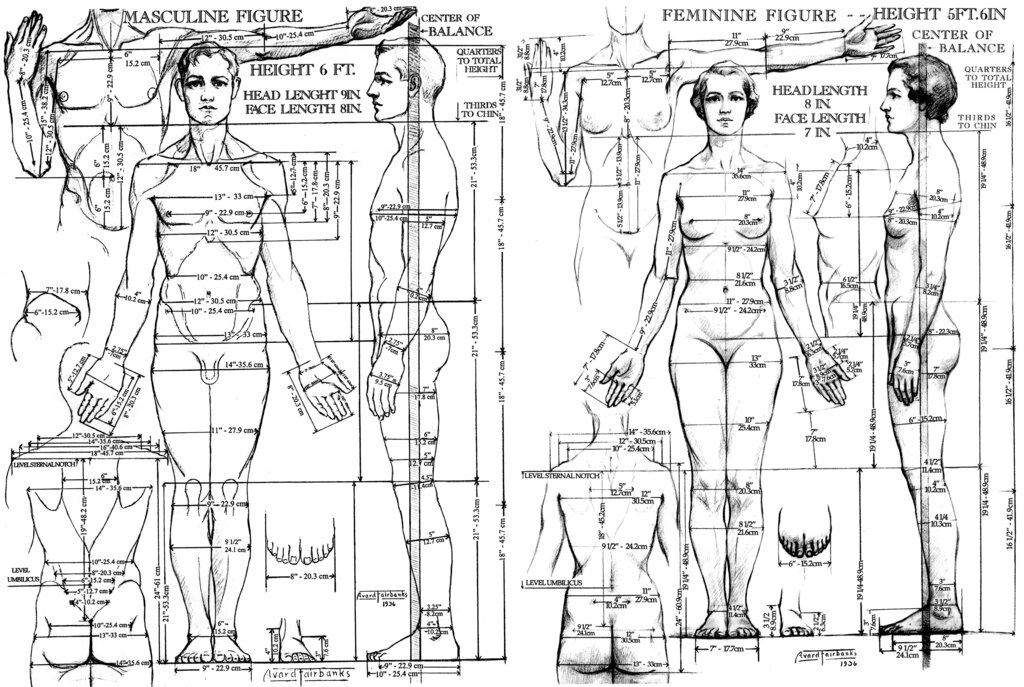
Vertical and Horizontal Proportions
Your vertical proportions are determined by your torso-to-leg ratio. Are you longer in the torso with shorter legs, or do you have a shorter torso and longer legs? This ratio dictates the ideal rise of your pants and the hemlines of your tops and dresses.
Someone with a longer torso and shorter legs might find that high-rise pants visually lengthen their legs, creating a more balanced silhouette. Conversely, a person with a shorter torso and long legs can create balance by wearing mid-rise or low-rise bottoms paired with untucked tops that extend past the hip.
The goal is to guide the eye. A higher waistline makes the legs appear to start higher, while a lower one extends the perceived length of the torso.
Horizontal proportions define your silhouette. By measuring the shoulders, bust, waist, and hips, we can identify one of five primary body shapes. These are not rigid boxes but guides for understanding where your body carries width and how to balance it. For accurate measurements, measure the fullest part of the bust and hips, the narrowest part of the waist, and the broadest point of the shoulders.
| Silhouette | Measurement Profile |
|---|---|
| Rectangle | Shoulders, bust, and hips are roughly the same width. Waist is not strongly defined. |
| Triangle | Hips are wider than the shoulders and bust. Waist is typically defined. |
| Inverted Triangle | Shoulders are broader than the hips. |
| Hourglass | Shoulders and hips are approximately equal, with a clearly defined, narrower waist. |
| Oval | The waist is wider than the shoulders and hips. Bust may be large. |
Once you've identified a primary silhouette, you can use clothing to create visual balance. For a Triangle shape, adding volume or structure to the upper body—like with a padded blazer or a boat-neck top—can balance wider hips. For an Inverted Triangle, A-line skirts or wide-leg trousers add volume to the lower body to balance broader shoulders. The key is to use lines, fabrics, and silhouettes to draw attention and create proportion strategically.
An Advanced System: Kibbe
For a more holistic approach, many stylists use the Kibbe Body Type System an advanced framework developed by David Kibbe. This system goes beyond simple measurements to incorporate the interplay of bone structure, flesh (how body fat is distributed), and facial features. It also considers a person's
Kibbe's philosophy is that your clothing should be an extension of your natural lines. The system is based on a spectrum between two essences: yin and yang Yin represents soft, rounded, and delicate features, while Yang represents sharp, elongated, and angular features. Most people are a blend of these two, which combine to form 13 distinct Image Identities, from Dramatic (pure Yang) to Romantic (pure Yin).
For example, a "Flamboyant Gamine" combines a Yang-dominant bone structure with Yin-influenced flesh and height, resulting in a recommendation for eclectic, geometric, and separated pieces. A "Soft Classic" balances Yin and Yang almost equally, looking best in clean, symmetrical, and softly tailored styles. Finding your Kibbe ID involves a deep analysis of your physical makeup, helping you create a cohesive style identity that feels authentic.
Balance and proportion are crucial elements in fashion that can make or break an outfit.
Fabric choice is a powerful tool in body architecture. The weight and drape of a material can either add or reduce volume. Stiff, structured fabrics like denim or structured wool will hold their shape and can be used to build a silhouette—for instance, creating the illusion of broader shoulders. Soft, drapey fabrics like silk or jersey will cling to the body, highlighting its natural curves. Using the right fabric is just as important as choosing the right cut.
Ready to test your knowledge on body architecture?
What is the primary foundation of body architecture analysis in personal styling?
To create visual balance for an Inverted Triangle body shape (broader shoulders and narrower hips), which garment would be most effective?
By moving beyond basic sizes and understanding the interplay of bone structure, proportions, and fabric, you can develop a sophisticated approach to styling that honors the unique architecture of any body.