Professional Ethical Hacking
Introduction to Ethical Hacking
What Is Ethical Hacking?
To catch a thief, you have to think like one. That's the core idea behind ethical hacking. An ethical hacker, often called a "white-hat" hacker, is a security expert who uses the same tools and techniques as malicious attackers, but for a good cause: to find and fix security holes before the bad guys can exploit them.
Think of it like hiring a professional to try and break into your own house. They'll jiggle the windows, test the locks, and check for weak spots in your alarm system. Their goal isn't to rob you, but to show you where you're vulnerable so you can improve your security.
In the digital world, this means probing computer systems, web applications, and networks for weaknesses. The ultimate goal is to strengthen defenses and protect data from malicious actors, known as "black-hat" hackers. By simulating an attack, organizations get a real-world picture of their security posture.
Ethical hacking is used to find potential security issues in computer systems and networks.
Permission Is Everything
What separates an ethical hacker from a criminal? One word: permission. The line between legal security testing and an illegal cyberattack is razor-thin, and authorization is what defines it. Before an ethical hacker writes a single line of code or runs any scan, they must have explicit, written consent from the owner of the system they are testing.
This permission isn't just a simple 'go-ahead.' It's a formal agreement, often called a 'scope of engagement,' that outlines exactly what the hacker is allowed to do. It specifies:
- Which systems to test: Are they allowed to test the main website, the internal employee network, or both?
- What methods to use: Can they use social engineering tactics, or should they stick to technical probes?
- When to test: The testing is often scheduled during off-hours to avoid disrupting business operations.
Without this documented permission, ethical hacking is just hacking, and it's illegal. Adhering to the agreed-upon scope and maintaining confidentiality are fundamental ethical duties.
The Hacker's Playbook
Whether for good or for ill, hackers often follow a structured methodology. Understanding these phases is key to building a solid defense. While the exact steps can vary, most attacks follow a general pattern.
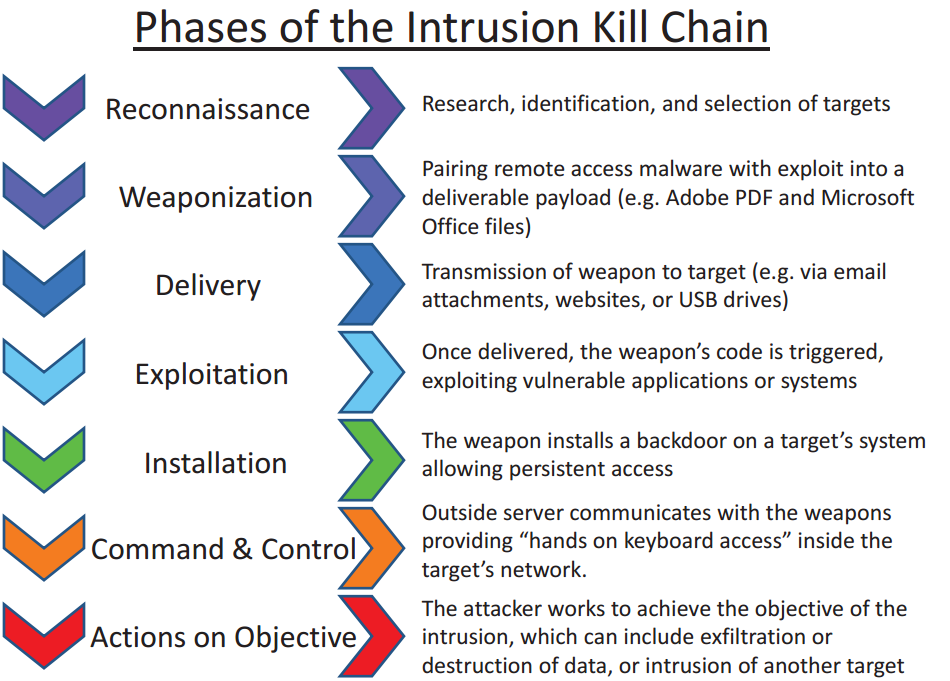
Here's a simplified look at the five common phases of a hacking engagement:
-
Reconnaissance: This is the information-gathering phase. The hacker acts like a detective, collecting as much public data about the target as possible. This could include employee names from social media, company technology stacks listed in job postings, or network IP addresses. It’s about creating a map of the target.
-
Scanning: With a map in hand, the hacker starts actively probing the target for openings. They use tools to scan for open network ports, identify running services, and look for known vulnerabilities in the system's software. It’s like walking around a building and checking every door and window to see if any are unlocked.
-
Gaining Access: This is where the hacker gets in. Using information from the previous phases, they exploit a vulnerability to breach the system. This could involve guessing a weak password, using a software flaw, or tricking an employee into clicking a malicious link.
-
Maintaining Access: Once inside, an attacker doesn't want to lose their foothold. They may install tools that allow them to return later, escalate their privileges to gain more control, and move deeper into the network. The goal is to make their access persistent.
-
Covering Tracks: To avoid detection, a malicious hacker will try to erase evidence of their presence. This might involve deleting log files, hiding their malicious software, and removing any tools they used. An ethical hacker, on the other hand, documents everything they did to help the organization fix the issues.
Now that you understand the what, why, and how of ethical hacking, let's test your knowledge.
What is the primary purpose of ethical hacking?
The single most important factor that distinguishes ethical hacking from a criminal cyberattack is having explicit, written permission from the system owner.
By following this structured approach, ethical hackers can systematically uncover weaknesses and provide a clear roadmap for improving an organization's security.