Professional Course Design and Architecture
Backwards Design Framework
Start with the End in Mind
Traditional curriculum planning often starts with the question, “What content do I need to cover?” This approach can lead to courses packed with information but lacking a clear purpose. Students might learn a lot of facts, but can they apply them? Do they truly understand the core concepts?
Backward design flips this model. It starts by asking, “What should learners be able to do by the end?” This shift from topical coverage to demonstrable achievement is the core of the Understanding by Design (UbD) framework.
Backward Design begins with the end in mind.
Instead of marching through textbook chapters, you architect the learning journey from the destination backward. This ensures every piece of content, every activity, and every assessment serves a specific, intentional purpose. Let's break down the three stages of this process.
Stage 1: Identify Desired Results
The first stage is about prioritisation. You can't teach everything, so you must decide what is most important for a learner to take away. This involves defining what learners should know, understand, and be able to do. A key trade-off here is depth versus breadth. Focusing on desired results means choosing to go deep on essential concepts rather than providing a shallow overview of many topics.
The goal is to foster understanding that allows for the transferability of skills. A student who deeply understands the principles of supply and demand can analyse market changes in various contexts, from local housing prices to global supply chains. This is far more valuable than simply memorising definitions.
This structured approach forces you to be selective and focus on what truly matters for long-term competence, not just short-term recall.
Stage 2: Determine Acceptable Evidence
Once you know your destination, you need to figure out how you'll know the learners have arrived. This is the assessment stage. In backward design, you plan your assessments before you plan your lessons. This ensures that you are testing for the outcomes you identified in Stage 1.
This is evidence-based planning in action. The assessments become the proof of learning. A crucial part of this is designing authentic that require students to apply their knowledge and skills in a realistic scenario, rather than just recalling isolated facts.
| Assessment Type | Focus | Example Goal | Example Task |
|---|---|---|---|
| Traditional | Recall & Recognition | Student knows the causes of the First World War. | Match key events to their dates. |
| Performance-Based | Application & Transfer | Student understands the complex web of causation. | Write a diplomatic cable from the perspective of an ambassador in July 1914, advising their government on how to avoid war. |
By defining the evidence of understanding upfront, you gain clarity on what successful learning looks like in practice.
Stage 3: Plan Learning Experiences
Only after defining the goals (Stage 1) and the assessments (Stage 2) do you begin planning the instruction. This is the final stage, where you design the day-to-day lessons, activities, and resource selection.
Because you already know what you want students to achieve and how you'll measure it, every choice becomes more focused. You can ask: Does this reading help them understand the essential questions? Will this lab activity build the skills needed for the performance task? This approach helps avoid the common trap of filling class time with activities that are engaging but don't directly contribute to the core learning goals.
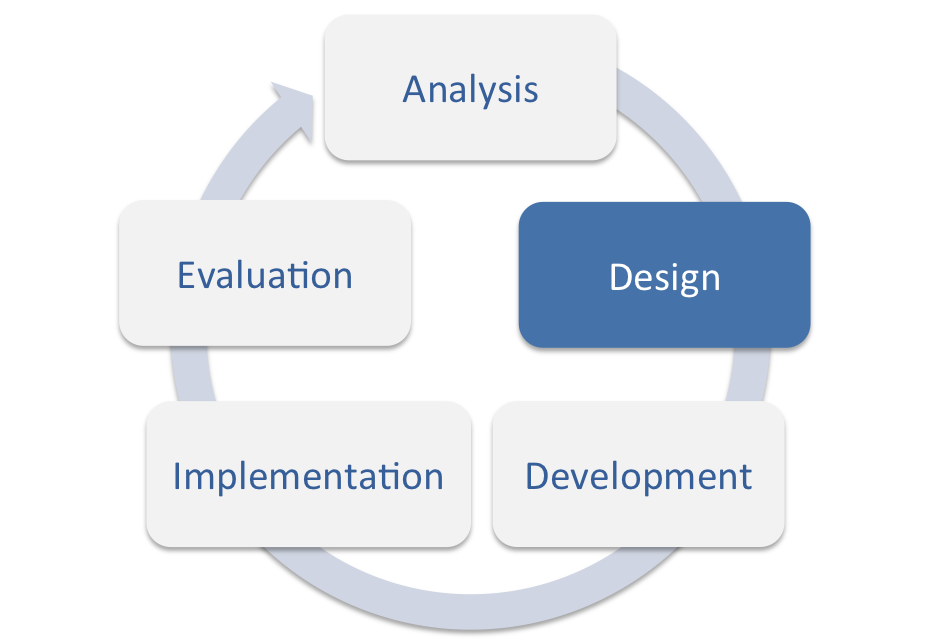
This three-stage process ensures that curriculum design is not a series of disconnected activities, but a cohesive and intentional journey toward meaningful, lasting understanding. It turns the focus from what the teacher will cover to what the student will achieve.