Professional Copywriting and Conversion Strategy
Advanced Audience Research
Beyond Demographics
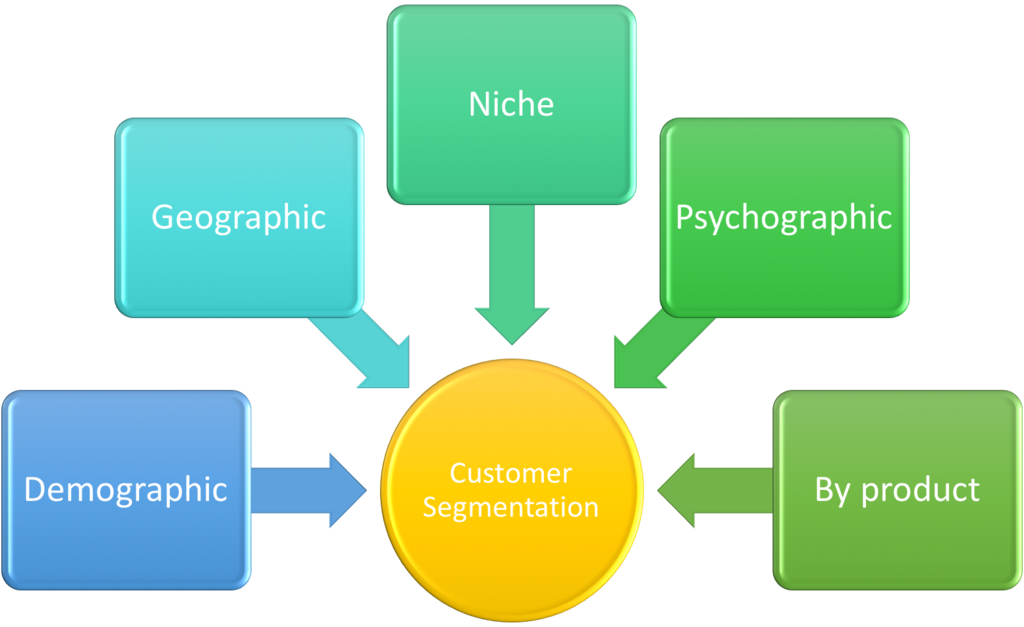
You already know about demographics: age, location, income. This is basic targeting information, like knowing the address of a house. But to be persuasive, you need to know what’s happening inside the house. What are people thinking? What do they argue about? What are their secret hopes and fears? This is the world of — the attitudes, values, and desires that truly drive decisions.
Forget about targeting a broad 'audience'. Great copy is always written for one person. This isn't a literal person, but a highly specific archetype of your ideal customer, the 'One Reader'. Your goal is to understand this person so deeply that your copy feels like you're reading their mind. Every word should mirror their internal monologue, validating their feelings and guiding them toward a solution.
Mining for Customer Language
The best way to get inside your reader's head is to listen to what they're already saying. This is called Voice of Customer (VoC) research. It's about finding the raw, unfiltered language your customers use to describe their problems and desires. You're not looking for your own marketing jargon; you're hunting for their exact words.
Where do you find this language? The internet is a goldmine.
- Review Sites: Amazon, G2, Capterra, and Yelp are filled with detailed accounts of what people love and hate about products.
- Online Forums: Reddit, Quora, and niche industry forums are where people ask for help and share frustrations.
- Social Media: Look at comments on your competitors' ads, posts in relevant Facebook groups, and conversations on Twitter.
As you read, look for 'sticky language' — vivid phrases, emotional descriptions, and specific metaphors that pop up repeatedly. These are the words that have real meaning for your audience. If customers keep saying they feel 'constantly overwhelmed' or that a product is their 'secret weapon', that's the language you should use in your headlines and body copy.
Don't translate what your customers say. Reflect it. Their problem, in their words, is always more powerful than your marketing-speak.
The Awareness Spectrum
Once you understand how your reader thinks, you need to know where they are in their journey. A person who doesn't even know they have a problem needs a very different message than someone who is actively comparing your product to a competitor's. The legendary copywriter broke this down into the 5 Stages of Awareness.
| Stage | Description | Your Copy's Job |
|---|---|---|
| 1. Unaware | Doesn't know they have a problem or a need. | Grab attention by tapping into an identity or emotion. Don't mention the product. |
| 2. Problem Aware | Senses a problem, but doesn't know there's a solution. | Agitate the problem. Show them you understand their pain deeply. |
| 3. Solution Aware | Knows the kind of solution they want, but doesn't know your product exists. | Introduce your product as the best way to get the desired result. |
| 4. Product Aware | Knows your product, but isn't sure it's the right choice for them. | Prove your product is the best solution. Use testimonials, case studies, and feature comparisons. |
| 5. Most Aware | Knows and wants your product, but needs a final nudge. | Make the offer irresistible. Present the price, guarantee, and a clear call to action. |
Writing copy without knowing your reader's stage of awareness is like starting a conversation in the middle. You'll confuse and alienate them. Your VoC research will help you pinpoint which stage your 'One Reader' is in, allowing you to meet them exactly where they are.
Building the Empathy Map
Now it's time to put all your research together into a practical tool: the empathy map. This goes deeper than a simple persona. It's a snapshot of your reader's inner world, organising your insights into four key quadrants. It helps you distinguish between what your customer says publicly and what they might be thinking or feeling privately.
To fill this out, pull direct quotes and observations from your VoC research.
- Says: What are the literal words and phrases you found? Put the 'sticky language' here.
- Thinks: What are the underlying beliefs, worries, and motivations behind what they say? What's going on in their head that they might not admit out loud?
- Does: What actions do they take? What steps have they tried to solve their problem?
- Feels: What are the key emotions they experience? Think in terms of a before-and-after. What is their frustration before a solution, and what is their desired emotion after?
This exercise transforms a flat customer profile into a three-dimensional human being. When you sit down to write, you'll be speaking directly to this person, armed with a deep understanding of their world.
Ready to test your audience research skills?
Psychographics are different from demographics because they focus on...
The primary goal of creating a 'One Reader' archetype is to...