Professional Article Writing and Publishing
Advanced Article Framing
Beyond the What
You already know how to report the facts. Who, what, where, when, why, and how are tools of the trade. But professional writing moves beyond simple reporting. It's about finding an angle—a specific lens that makes your story unique and necessary. Think of it like a camera. Ten photographers can shoot the same subject, but the one who chooses the most compelling angle, light, and focus will create the most memorable image. Your job as a writer is to find that narrative focus.
An angle isn’t just a summary; it's a point of view that answers the silent question in every reader's mind: "Why should I care?" It transforms a collection of facts into a compelling narrative thread. For example, instead of writing an article titled "New Fitness App Launches," you could frame it through a more specific angle: "Is the Newest AI Fitness App a Privacy Nightmare?" or "How One Coder Built a Fitness Empire from Her Garage." Both stories cover the same launch, but they tell vastly different stories because they start from a unique premise.
When journalists frame a story, they make conscious and unconscious decisions about which details to highlight, which sources to quote, what context to provide, and how to structure the narrative.
Finding your angle requires synthesis. You absorb all the information—interviews, data, background research—and look for the tensions, the surprises, or the human element that no one else has highlighted. This is where you move from being a reporter to being a storyteller.
The Advanced Nut Graf
The is the heart of your article. In its basic form, it summarizes the story. In professional writing, it does much more. It serves as an anchor, justifying the story's existence and making a clear promise to the reader about what's to come. It’s the contract for the entire piece, establishing the stakes and encapsulating your unique angle.
An advanced nut graf doesn't just say what the article is about; it explains why it matters now. It connects your specific story to a larger conversation, trend, or conflict. It's the moment you explicitly state your thesis and prove the story's timeliness and importance.
A weak nut graf might say: "This article will explore the rise of remote work."
A strong one establishes the angle and stakes: "While companies tout the flexibility of remote work, a growing body of research suggests a silent burnout crisis is brewing, forcing a difficult reconsideration of what 'work-life balance' truly means in a post-office world."
Your nut graf is a promise. It tells the reader where you are going and why the journey is worth their time.
Framing for an Audience
The most brilliant angle is useless if it doesn't resonate with your intended audience. Framing is about tailoring your narrative to a specific demographic without sacrificing your voice. The story's core may be the same, but the evidence you highlight, the language you use, and the context you provide will change dramatically depending on the publication.
Consider an article about a new agricultural technology. For a farming trade journal, your angle might focus on crop yield and cost savings. For a tech magazine like , you’d frame it around the disruptive software and its impact on the future of food. For a general interest publication, you might explore the human story of a family farm transformed by the technology. Each frame speaks to a different reader's priorities and interests.
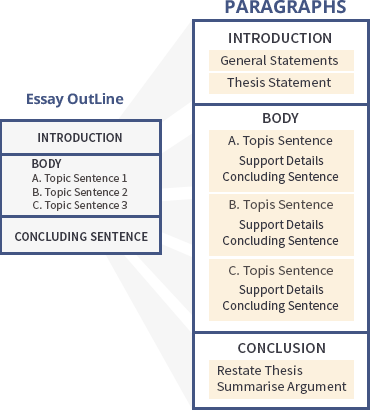
Balancing this with your own authorial voice is a sophisticated skill. You adapt to the publication's style—its tone, sentence structure, and political leanings—but you don't erase your own perspective. The best writers can fit seamlessly into a publication's identity while still sounding like themselves. This comes from internalizing the publication’s values so you can apply your unique analytical lens within those boundaries.
Finally, your chosen frame demands thematic consistency. Every element in your piece, from the opening anecdote to the final quote, must reinforce your central angle. If your angle is about the privacy risks of a new app, don't dedicate three paragraphs to its user-friendly design unless you connect that design back to how it masks the privacy issues. This discipline is what separates a tight, professional feature from a rambling collection of facts.
Ready to test your skills? Let's see how well you can apply these concepts.
What is the primary function of an 'angle' in professional writing?
A city is replacing its public trash cans with new 'smart' bins that compact trash and send alerts when full. Which of the following represents the strongest, most compelling angle for a general audience magazine article?
Mastering the art of the angle is an ongoing process. It requires you to think critically, synthesize complex information, and always keep your reader in mind. It's the skill that will elevate your work from competent to unforgettable.