Product Requirements Document Fundamentals
PRD Architecture
From Content Spec to Product Blueprint
Your background in GOV.UK content design means you're already skilled at defining user needs and structuring information clearly. You're comfortable with user stories and acceptance criteria. Think of a Product Requirements Document, or PRD, as the next level up. It’s not just a spec for a piece of content; it's the master blueprint for an entire product or feature, serving as the single source of truth for the whole squad.
Where a content spec focuses on communication, a PRD focuses on creation. It bridges the gap between a high-level business goal and the technical task of building a solution.
A content spec asks, "What does the user need to know?" and "How should we present this information?" A PRD asks those questions but also includes, "Why are we building this?", "What problem does it solve for the user and the business?", and "How will we know if it's successful?" It integrates business context, user problems, and technical constraints into one cohesive guide.
The Anatomy of a PRD
While formats vary, a strong PRD typically contains several core sections. This structure ensures that everyone, from engineers to marketers, understands the vision and their role in achieving it.
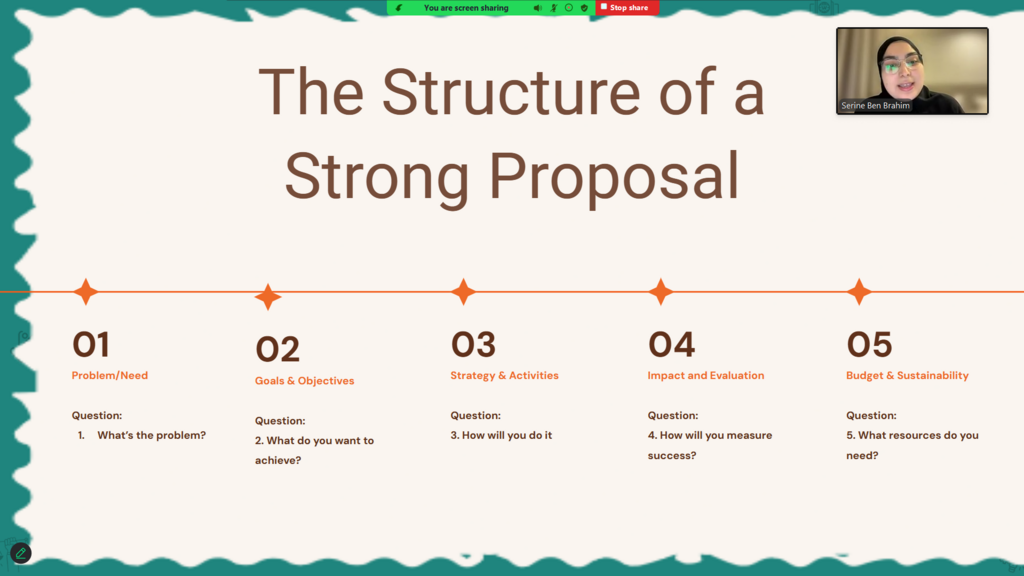
Let's break down the key components.
1. Purpose and Vision This is the high-level 'why'. It's a brief, inspiring statement that explains the product's reason for being and connects it to the organisation's broader strategy. It sets the stage for everything that follows.
2. The Problem Statement You're used to defining a 'user need', like "I need to pay my car tax." A in a PRD goes deeper. It frames the user's obstacle or pain point that prevents them from achieving their goal easily. For example:
- User Need: I need to find out when my bins are collected.
- Problem Statement: Users often miss their bin collection day because the council's online schedule is a hard-to-read PDF that isn't mobile-friendly and doesn't offer reminders.
This reframing shifts the focus from a simple information need to a solvable design and technology challenge.
3. Goals and Objectives Here, you define what success looks like. These should be specific, measurable outcomes for both the user and the business. For the bin collection example, goals might include:
- User Goal: Users can find their next collection date in under 30 seconds.
- Business Goal: Reduce calls to the council's contact centre about missed bins by 25%.
4. Functional Requirements This is the 'what'. It details the specific functionality the product must have to solve the problem and meet the goals. This is where your user stories and acceptance criteria live, but now they are directly tied to a broader purpose. For example:
- User Story: As a resident, I want to enter my postcode to see my next bin collection date, so I don't have to search through a document.
- Acceptance Criteria: Given a valid postcode, the system displays the correct collection dates for recycling, general waste, and garden waste.
5. Success Metrics This section makes the goals from step 3 tangible. It lists the key performance indicators (KPIs) you will track to determine if the product is a success. These must be quantifiable. Examples could be daily active users, task completion rate, or a reduction in support tickets.
| Section | Question It Answers |
|---|---|
| Purpose | Why are we doing this at all? |
| Problem Statement | What pain point are we solving? |
| Goals | What outcomes do we want to achieve? |
| Functional Requirements | What does the product need to do? |
| Success Metrics | How will we measure success? |
A Living Document
Crucially, a PRD isn't meant to be written once and then forgotten. It's a living document. As the product squad builds, tests, and learns, the PRD should be updated to reflect new insights, changed priorities, or clarified requirements. It evolves with the product.
By documenting the vision, the problem, and the path to success, the PRD aligns your entire team and ensures you're all building the right thing, for the right reasons.
What is the primary role of a Product Requirements Document (PRD) within a product squad?
How does a 'problem statement' in a PRD differ from a 'user need' you might define in content design?