Product Prototyping Essentials
Introduction to Product Prototyping
From Idea to Interaction
Every product, from the smartphone in your pocket to the app you use for ordering coffee, started as a simple idea. But how does an idea become a real, usable product? A crucial step in that journey is prototyping.
Prototyping gets ideas out of your head and into the world.
A prototype is an early, simplified model of a product. It’s not meant to be perfect or fully functional. Its purpose is to make an idea tangible so it can be tested and explored. Think of it as a rough draft. An author writes a draft to see how the story flows, and a product team builds a prototype to see how a product works.
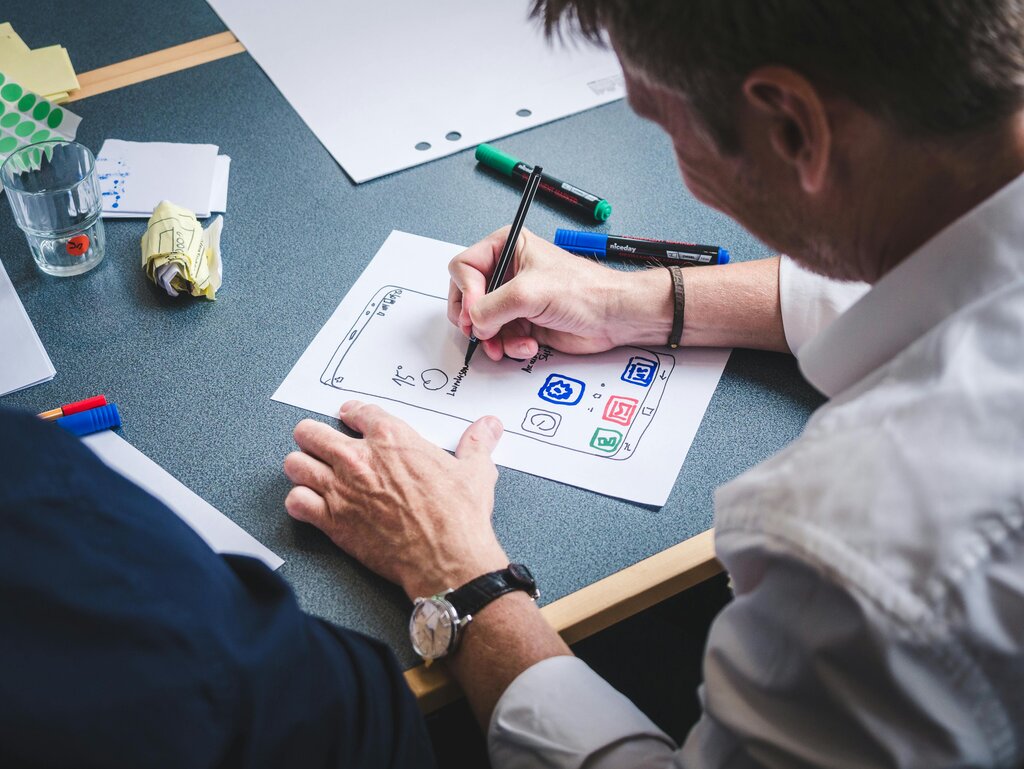
This could be anything from a series of paper sketches showing how an app's screens connect, to a 3D-printed model of a new gadget. The goal isn't to build the final product, but to create something solid enough to learn from. It’s a way to ask questions and get answers long before you commit to the final design.
Learning Before You Leap
Building a new product is full of assumptions. We assume we know what users want, how they'll use a feature, and what they'll find intuitive. Prototyping is how we challenge those assumptions. By putting a model in front of real people, we can observe their reactions and gather honest feedback.
This early feedback loop is the superpower of prototyping. It turns guesswork into knowledge.
Imagine a team spends a year and a million dollars building an app, only to find out on launch day that users find it confusing. That's a costly mistake. Prototyping helps catch these problems when they are still small and easy to fix. Changing a sketch is easy. Reworking a finished product is not.
Early and frequent feedback on prototypes can uncover critical usability issues and design flaws while they are still easy and inexpensive to fix.
This process significantly reduces the risk inherent in creating something new. Each prototype helps validate the concept, confirming that you're building the right thing for the right people. It’s a series of small, safe steps that prevent a big, costly fall.
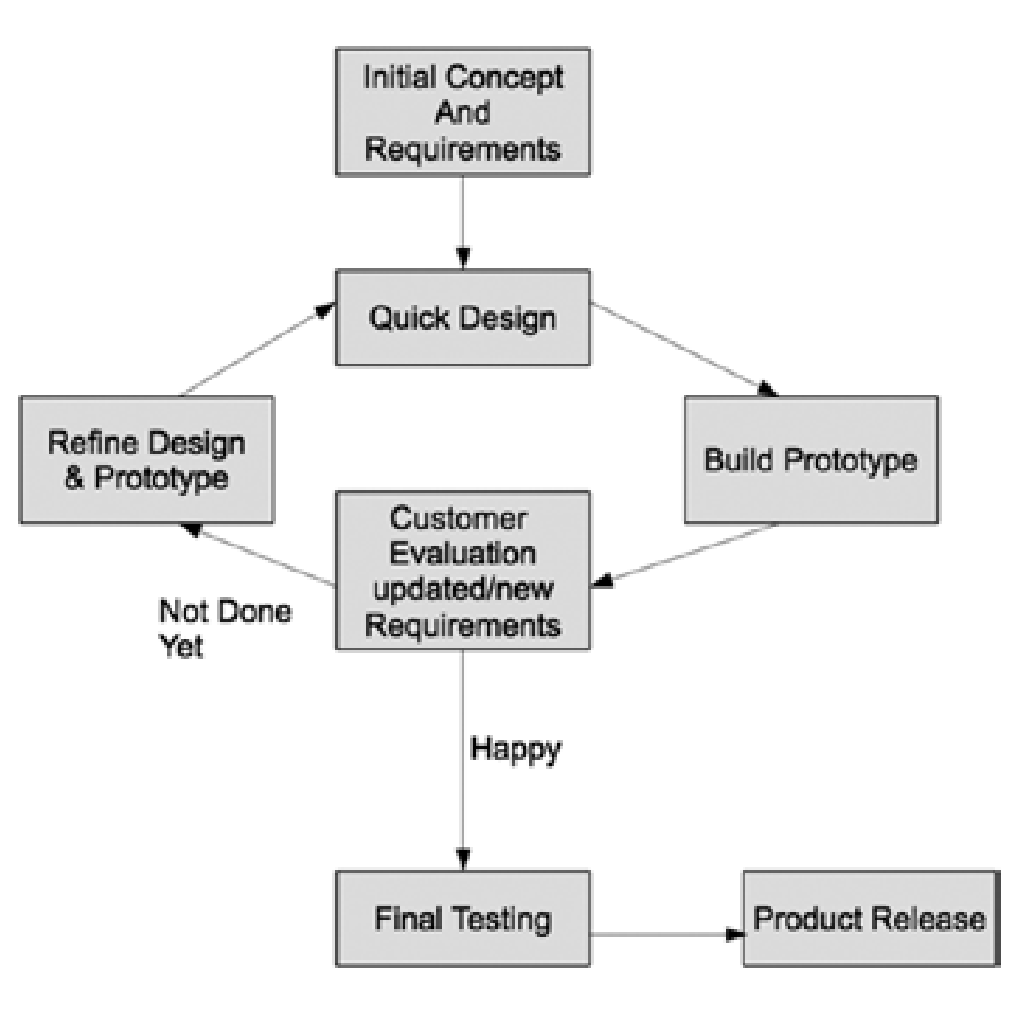
By transforming abstract ideas into testable models, prototyping allows teams to learn, adapt, and build better products. It’s an essential bridge between a bright idea and a successful launch.