Product Pricing Strategies
Pricing Fundamentals
The Power of Price
Price is one of the most important decisions a business makes. It’s part of the classic “4 Ps” of marketing: Product, Price, Place, and Promotion. While the other three are about creating value, price is unique because it’s how a business captures that value back as revenue. It's more than just a number on a tag; it’s a powerful signal to customers about your product, your brand, and your position in the market.
Think of it this way: the price tells a story. A high price might suggest luxury, quality, and exclusivity. A low price could signal affordability and accessibility, or it might make customers question the quality. Getting the price right is a balancing act. Set it too high, and you might drive customers away. Set it too low, and you might leave money on the table or damage your brand's reputation.
Price and Perceived Value
The price of a product and its value are not the same thing. Price is what the customer pays. Value is what the customer believes they are getting in return. This concept, known as perceived value, is the foundation of smart pricing.
Imagine two cups of coffee. One is from a gas station for $1. The other is from a trendy cafe for $5. The coffee beans might be of similar quality, but the perceived value is completely different. The cafe offers a comfortable atmosphere, skilled baristas, and a brand that people associate with a certain lifestyle. The customer isn't just paying for coffee; they're paying for the entire experience. This difference in perceived value is why they're willing to pay five times more.
Pricing is a reflection of everything you do as a business, from the product you build to the way you sell it.
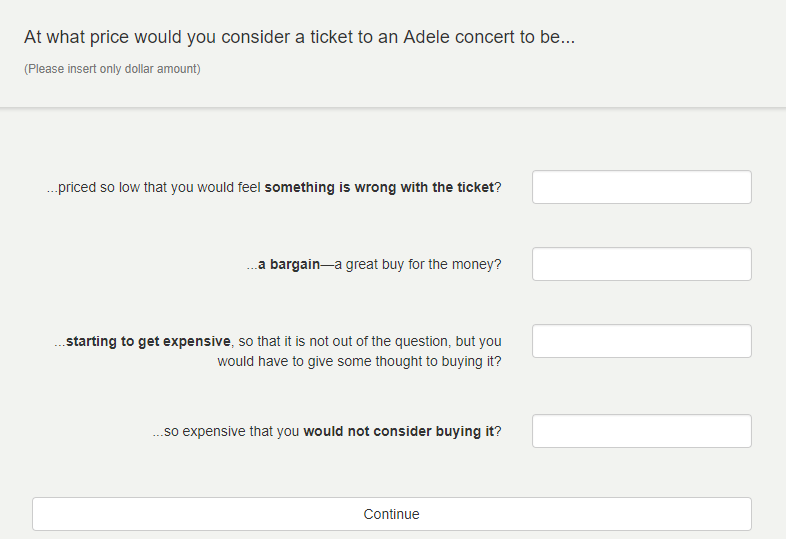
This psychological link between price and value heavily impacts consumer behavior. When customers are unsure about a product's quality, they often use price as a guide. A higher-priced item is often assumed to be better. This is why a new company can’t simply enter the market with the lowest price and expect to succeed. The price must align with the value customers believe they are receiving.
Three Foundational Strategies
While there are many ways to price a product, most strategies fall into one of three main categories. Understanding these foundational approaches is the first step to setting a price that works for your business and your customers.
| Strategy | Focus | Best For... |
|---|---|---|
| Cost-Plus | Internal Costs | Simplicity and ensuring profit margins. |
| Value-Based | Customer Perception | Products with high perceived value or intangible benefits. |
| Competitive | The Market | Saturated markets where price is a key differentiator. |
Let's break down how each one works.
1. Cost-Plus Pricing
This is the most straightforward method. You calculate the total cost of producing your product (including materials, labor, and overhead), and then add a specific markup to determine the selling price. For example, if it costs $10 to make a t-shirt and you want a 50% markup, you sell it for $15.
The main benefit of cost-plus pricing is its simplicity. It guarantees that you cover your costs and make a profit on every sale. However, its biggest weakness is that it completely ignores the customer and the competition. You might be pricing your product too low if customers are willing to pay more, or too high if your competitors offer a similar product for less.
2. Value-Based Pricing
This strategy is the opposite of cost-plus. Instead of starting with your costs, you start with the customer. Value-based pricing sets the price according to the product's perceived value. It answers the question, “What is this product worth to my customer?”
Think about a piece of software that automates a task, saving a business 20 hours of work each month. If that time is worth $1,000 to the business, the software company could price its product based on a fraction of that value created, regardless of whether it cost $50 or $5,000 to develop. This method connects the price directly to the benefit the customer receives.
Cost-plus pricing is about what the product costs you. Value-based pricing is about what it's worth to them.
3. Competitive Pricing
This approach involves setting your price in relation to what your competitors are charging. You might price your product slightly below, the same as, or slightly above the competition. This strategy is common in markets where products are very similar, and price is a primary factor in a customer's decision.
For example, gas stations in the same area often have nearly identical prices. They are using competitive pricing because they know that customers can easily compare and will likely choose the cheapest option. The key here is to constantly monitor the market. While this strategy can be effective for winning customers, it can also lead to price wars that hurt everyone's profitability.
These three strategies provide a framework for thinking about price. Often, the best approach is a hybrid, considering costs, customer value, and the competitive landscape to find the sweet spot.
Which of the '4 Ps' of marketing is primarily focused on capturing value, rather than creating it?
What is the key concept that explains why a customer might pay 1 at a gas station?