Product Marketing Essentials
Products and Services
Products and Services
Everything we buy falls into one of two categories: products or services. At its core, a product is a tangible item you can touch and own. It’s a physical thing designed to satisfy a need or want, like a pair of sneakers or a cup of coffee.
A service, on the other hand, is an intangible action or process performed for you. You can’t hold it in your hand. Think of a haircut, a doctor's visit, or a ride-sharing trip. You're paying for an experience, a skill, or a convenience, not a physical object.
A product is something you get. A service is something that gets done for you.
Spotting the Difference
The line between products and services can sometimes blur. When you buy a meal at a restaurant, you get a product (the food) and a service (the cooking and waiting). But the fundamental differences between the two are key.
| Characteristic | Product | Service |
|---|---|---|
| Tangibility | Physical, can be touched | Intangible, an experience |
| Ownership | Can be owned and resold | Cannot be owned |
| Perishability | Can be stored for later use | Used as it's created; can't be saved |
| Variability | Usually consistent and standardized | Can vary with each delivery |
Let's unpack this. A bottle of soda is a product. It’s tangible. Once you buy it, you own it and can store it in your fridge. Each bottle of the same brand is made to be identical, so it has low variability.
Now, think about a flight. That's a service. You can’t touch or own the flight itself. You experience it. Once the plane lands, the service is complete and cannot be stored for later. Your experience might also vary depending on the crew, the weather, or your fellow passengers.
Types of Products
Products themselves can be sorted into two broad groups based on who buys them and why.
Consumer Product
noun
A product bought by final consumers for personal consumption.
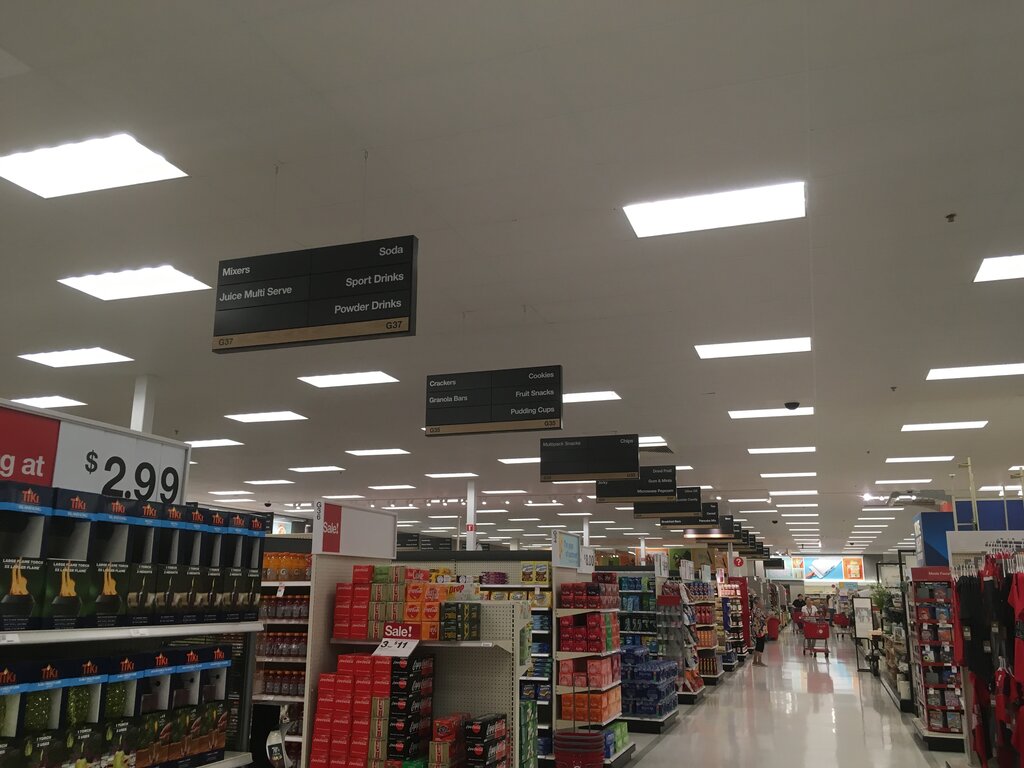
Consumer products are what we encounter every day. They are the items we buy for ourselves, our families, and our homes. Think of the things you'd put in a shopping cart, whether physical or virtual.
The second category is industrial products. These are goods purchased by companies to help them produce other products or operate their business. The key difference is the purpose. A home baker buys flour to make a cake for their family (consumer product). A commercial bakery buys flour in bulk to produce bread to sell (industrial product).
Other examples of industrial products include machinery, raw materials like steel, and office equipment like servers and printers. While essential to the economy, they aren't typically things we think about in our daily shopping.
What is the primary characteristic that distinguishes a product from a service?
A haircut is considered a service because the action is performed for you and cannot be stored for later use.
Understanding the distinction between products and services is the first step in seeing how businesses create value for their customers. It's the foundation for everything that follows in marketing.