Product Managers Guide to Change Data Capture
Introduction to Change Data Capture
Spotting the Difference in Data
Databases are constantly changing. A customer updates their shipping address, a new product is added to inventory, a support ticket is marked as resolved. Each of these events is a change to a piece of data. For a long time, the standard way to keep different systems in sync was to copy entire databases periodically, usually overnight. This is like taking a full census of a city every single day. It's slow, resource-intensive, and by the time you're done, the information is already out of date.
There's a better way. Instead of repeatedly copying everything, what if we could just watch for the changes as they happen? This is the core idea behind Change Data Capture, or CDC.
Change Data Capture, or CDC, is a method to identify and capture changes made to data in a source system—like inserts, updates, or deletions—and propagate those changes downstream.
Think of it as a subscription service for your data. When a change occurs in a source database, CDC tools notice it, record it, and send a notification to any other systems that need to know. This means other systems get updated in near real-time, not hours later.
Why It Matters
Moving from nightly batch updates to real-time change streams is a huge leap. It makes businesses more responsive and efficient. Imagine an e-commerce site where the inventory system updates instantly after every purchase. This prevents customers from ordering out-of-stock items and improves their experience.
Without CDC, you're always looking at the past. You might be making business decisions based on data that's 12, 18, or even 24 hours old. With CDC, you can analyze data and react to events as they unfold. This shift is crucial for everything from fraud detection to personalizing user experiences on the fly.
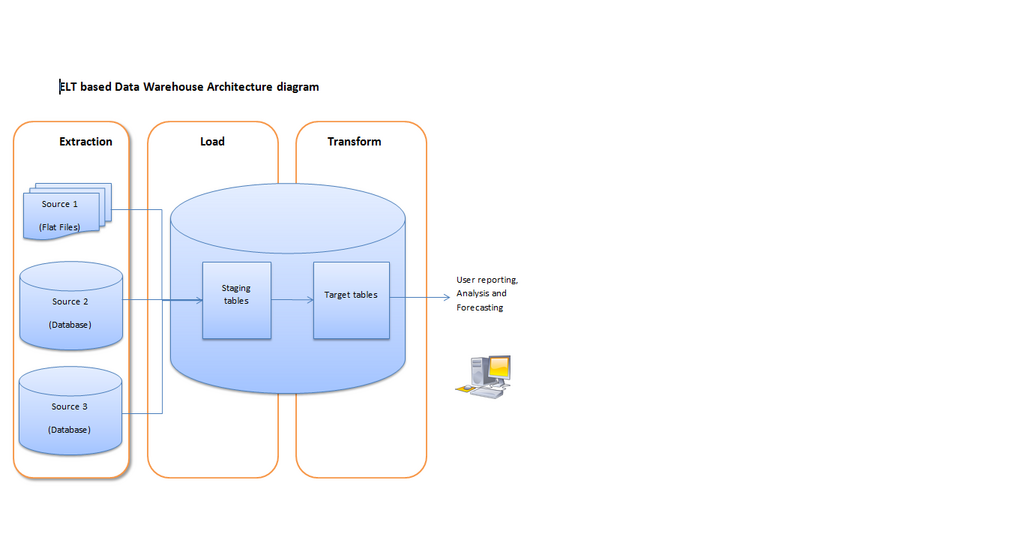
This approach also drastically reduces the load on your systems. Instead of querying an entire massive table to find what's new, you're just processing a small stream of changes. It's the difference between reading a single text message update and re-reading an entire book just to find one edited sentence.
Common Use Cases
CDC isn't a niche technique; it's a fundamental pattern that powers many modern data systems. You'll find it being used in several common scenarios.
| Use Case | Description | Why It's Useful |
|---|---|---|
| Data Warehousing | Instantly syncing operational data to an analytics database. | Enables real-time business intelligence and dashboards. |
| Microservices Sync | Keeping data consistent across different, independent services. | Ensures a shipping service has the same customer address as the billing service. |
| Auditing & Compliance | Creating a reliable, time-ordered log of all data modifications. | Provides a clear trail of who changed what, and when. |
| Cache Invalidation | Telling a system to clear outdated information when the source data changes. | Prevents users from seeing stale content. |
By capturing changes at the source, CDC allows for a more dynamic and interconnected flow of information. It's a simple concept with powerful implications for how we build and manage data-driven applications.
Ready to test your knowledge? Let's see what you've learned about Change Data Capture.
What is the core idea behind Change Data Capture (CDC)?
Which statement best describes a major business benefit of implementing CDC?