Product Management with Claude Code
Introduction to AI in Product Management
AI and Product Management
Artificial Intelligence is no longer a futuristic concept. It's a practical tool that's changing how products are built and managed. For product managers, AI acts like a superpower, helping to make smarter decisions, automate tedious tasks, and understand users on a deeper level.
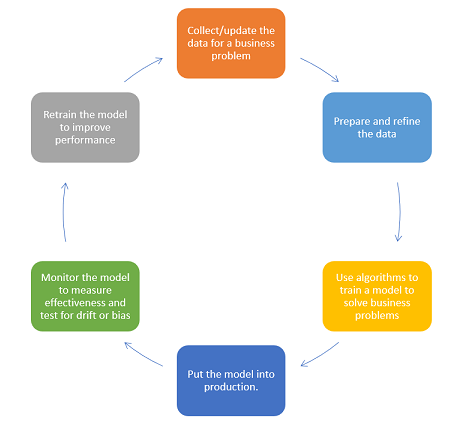
AI Product Management is the practice of managing the product lifecycle of AI-powered software, focusing on the integration of artificial intelligence to solve real-world problems and deliver value to users.
At its core, AI in product management is about using machine learning, data analytics, and other intelligent technologies to improve the entire product lifecycle. This starts from the initial idea and market research all the way to launch, iteration, and long-term growth. It’s not about replacing product managers, but empowering them.
Artificial Intelligence
noun
A field of computer science dedicated to creating systems that can perform tasks that typically require human intelligence, such as learning, reasoning, problem-solving, and understanding language.
The Benefits of Using AI
Integrating AI into product management workflows offers significant advantages. It helps teams move faster and build products that better meet user needs.
One of the biggest wins is automating routine work. AI can sift through thousands of user reviews or support tickets in minutes, summarizing key themes. This frees up a product manager's time for more strategic thinking, like defining the product vision or talking directly to customers.
AI also enhances decision-making by providing data-backed insights. Instead of relying solely on intuition, a PM can use AI to analyze user behavior patterns, predict which features will be most popular, or identify which customers are at risk of leaving. This allows for a more proactive and informed approach to building a product roadmap.
Finally, AI helps create a much deeper understanding of the user. By analyzing everything from click patterns to social media comments, AI models can build a comprehensive picture of user needs, pain points, and desires. This leads to more personalized experiences and products that truly resonate with the target audience.
Common AI Applications in Action
AI isn't just a theoretical benefit; it's already being used in many products you interact with daily. Product managers leverage these applications to create better user experiences and drive business results. Here are a few common examples.
| Application | How It Helps Product Managers |
|---|---|
| Personalization Engines | Suggests relevant products, articles, or music to users, increasing engagement and retention. |
| Sentiment Analysis | Automatically categorizes user feedback from surveys, reviews, and social media as positive, negative, or neutral. |
| A/B Testing Optimization | Analyzes test results to quickly identify which product variations perform best, speeding up the iteration cycle. |
| Churn Prediction | Identifies users who are likely to stop using the product, allowing PMs to create targeted retention campaigns. |
| Dynamic Pricing | Adjusts product pricing in real-time based on market demand, competitor pricing, and user behavior. |
These applications show how AI can be a powerful ally for any product team. By handling complex data analysis and automating repetitive tasks, AI allows product managers to focus on what they do best: building great products that solve real problems for people.