Product Management Fundamentals
Introduction to Product Management
What is Product Management?
Product management is the process of guiding a product from an idea to a successful launch and beyond. Think of a product manager as the captain of a ship. They don't row the oars, hoist the sails, or build the engine, but they are responsible for setting the destination and making sure everyone on board is working together to get there.
Product management is the process of guiding a product from concept to market success.
This involves understanding customer needs, defining what the product should do, and working with teams of engineers, designers, and marketers to bring it to life. The goal is to create a product that people love and that achieves the company's business goals. It's a role that sits at the intersection of business, technology, and user experience, balancing the needs of all three to make the best possible decisions.
The Product Manager's Role
So, what does a product manager actually do day-to-day? Their responsibilities are broad, but they generally fall into three key areas.
- Set the Vision: They define the 'what' and the 'why' of a product. This means creating a clear product strategy that outlines the target audience, the problems the product solves, and how it will succeed against competitors.
- Understand the User: They are the voice of the customer. They spend time talking to users, analyzing data, and researching the market to deeply understand what people need and want.
- Lead the Team: They guide cross-functional teams of engineers, designers, marketers, and salespeople. A product manager ensures everyone is aligned on the product's goals and has what they need to do their best work.

It's important to remember that creating a product is a team effort. The product manager's job isn't to do everything themselves, but to bring people together, provide clear direction, and focus the team on delivering value to both the customer and the business.
Essential Skills
To succeed as a product manager, you need a diverse set of skills. While technical knowledge can be helpful, the most important abilities are often centered around strategy, communication, and empathy.
| Skill | Why It's Important |
|---|---|
| Strategic Thinking | To set a clear product vision and align it with long-term business goals. |
| Communication | To articulate the vision and collaborate effectively with engineers, executives, and customers. |
| Empathy | To understand the user's problems and build solutions that truly help them. |
| Data Analysis | To use metrics and user feedback to make informed decisions and measure success. |
| Prioritization | To decide what's most important to build next with limited time and resources. |
These skills are not about being the expert in every area. Instead, they are about being able to understand different perspectives and synthesize them into a coherent plan.
The Development Process in a Nutshell
The journey from an idea to a finished product follows a general path. While the specific steps can vary, most product development processes involve a cycle of discovery, planning, building, and learning.
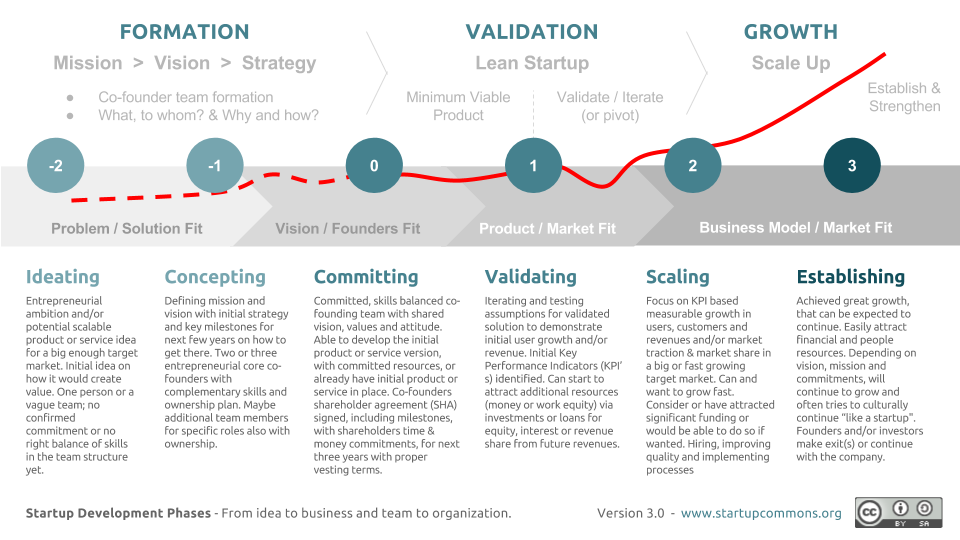
It starts with identifying a problem or an opportunity. Next, the team defines a solution and plans out the features. Then, engineers and designers build and test the product. Finally, the product is launched to customers.
But the process doesn't end there. Great product management involves constantly gathering feedback, analyzing data, and iterating on the product to make it better over time. It's a continuous loop of improvement.
Now, let's test your understanding of these core concepts.
What is the primary role of a product manager?
Product management is often described as sitting at the intersection of which three key areas?
Understanding these fundamentals is the first step. Product management is a dynamic field that combines creative problem-solving with strategic business sense to build things people need.