Product Management Essentials
Introduction to Product Management
What Is Product Management?
Product management is the art and science of guiding a product from a simple idea to a successful launch and beyond. Think of a product manager (PM) as the captain of a ship. The engineers are building the engine, the designers are making the ship beautiful and easy to navigate, and the marketers are telling the world where the ship is going. The captain's job is to set the destination and make sure everyone is working together to get there.
At its core, product management ensures a team builds the right product for the right people. It connects business strategy, design knowledge, and customer needs. Without it, teams might build features nobody wants, solve problems that don't exist, or create a product that doesn't help the business grow. It’s the critical link between the customer, the business, and the technology.
Product managers focus on the "what" and "why" behind building products, while project managers concentrate on the "how" and "when" of getting things done.
The Product Manager's Role
So, what does a product manager actually do? Their responsibilities are broad, but they center on a few key areas.
Define the vision. A PM sets the long-term direction for the product. They answer the question, "What problem are we trying to solve and for whom?" This vision acts as a North Star, guiding all decisions the team makes.
Understand user needs. Great products solve real problems for people. A PM’s job is to become an expert on the user. This means talking to customers, analyzing data on how people use the product, and deeply understanding their frustrations and goals. This empathy is the foundation of every feature.
Prioritize what to build. A team can't build everything at once. The PM is responsible for deciding what to work on now, what to save for later, and what to ignore completely. This involves balancing user needs, business goals, and technical effort to maximize impact.
Lead through collaboration. Product managers rarely manage people directly. Instead, they lead by creating clarity and alignment across different teams. They work daily with engineers, designers, marketers, and sales to make sure everyone is on the same page, motivated by the same goals, and moving in the same direction.
The role of a product manager is to bring together stakeholders, to align and focus the team, and to collaborate for the best possible outcome for the customer and the business.
The Product Lifecycle
Products, like living things, go through a lifecycle. A product manager's focus changes depending on where the product is in its journey. Understanding this cycle helps them make the right strategic choices at the right time.
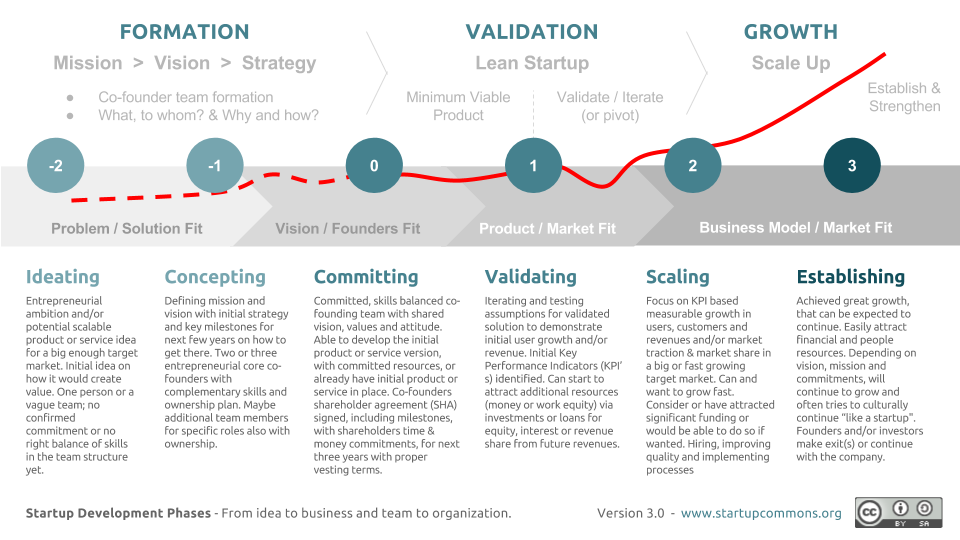
The main stages are:
- Introduction: A new product is conceived and launched. The PM's focus is on validating the core idea and finding the first group of users who love it.
- Growth: The product finds its footing and starts to gain traction. The PM works on scaling the product, adding features to attract a wider audience, and staying ahead of competitors.
- Maturity: Growth slows down as the market becomes saturated. Here, the PM focuses on retaining existing customers, optimizing performance, and finding new efficiencies.
- Decline: The product becomes outdated or less relevant. The PM must decide whether to reinvent the product, pivot to a new one, or retire it gracefully.
Skills for Success
Product managers come from all kinds of backgrounds, but the best ones share a common set of skills. These aren't just technical abilities, but ways of thinking and communicating.
| Skill | Why It's Important |
|---|---|
| Strategic Thinking | To see the big picture and connect product decisions to company goals. |
| Communication | To clearly explain the product vision and user problems to different audiences. |
| Empathy | To deeply understand customer needs and build products people genuinely want. |
| Prioritization | To make tough decisions about what to build next with limited resources. |
| Technical Literacy | To have credible conversations with engineers about what's feasible. |
Ready to test your understanding? Let's see what you've learned about the fundamentals of product management.
What is the primary goal of product management?
A product's user growth has slowed after a period of rapid expansion. The team is now focused on improving existing features to keep current customers happy. Which stage of the product lifecycle is this product in?
Ultimately, product management is about taking ownership of a problem and guiding a team to create a valuable, usable, and feasible solution.