Product Management Essentials
Introduction to Product Management
What is Product Management?
At its core, product management is the art and science of guiding a product's journey from a simple idea to a successful item in the marketplace. It’s about answering a few key questions: What problem are we solving? Who are we solving it for? And how will we know if we've succeeded?
Product management is the process of guiding a product from concept to market success.
Think of any product you use daily—your phone, a coffee maker, or a software app. A product manager was involved in deciding what features it should have, how it should work, and ensuring it met your needs as a user while also meeting the goals of the company that created it. They are the central hub for everything related to that product.
The Product Manager's Role
A Product Manager, often called a PM, is like the captain of a ship. They don't row the oars, hoist the sails, or build the engine, but they are responsible for setting the destination and making sure everyone on the crew is working together to get there. The PM sets the product vision—the 'why' behind the product—and communicates it to everyone involved, from engineers and designers to marketers and executives.
Their job is to balance competing priorities. They advocate for the user, ensuring the product is helpful and easy to use. They also represent the business, making sure the product is profitable and aligns with the company's long-term strategy. Finally, they work with the technology team to understand what is possible to build. The PM's ultimate goal is to find the sweet spot where user needs, business goals, and technical feasibility overlap.
Product managers connect the dots between the customer's problems, the company's strategy, and the team's ability to create a solution.
The Product Lifecycle
Products, like living things, have a life cycle. They are introduced, they grow, they mature, and eventually, they decline. Understanding these stages helps a PM make the right decisions at the right time. Each stage requires a different strategy and focus.
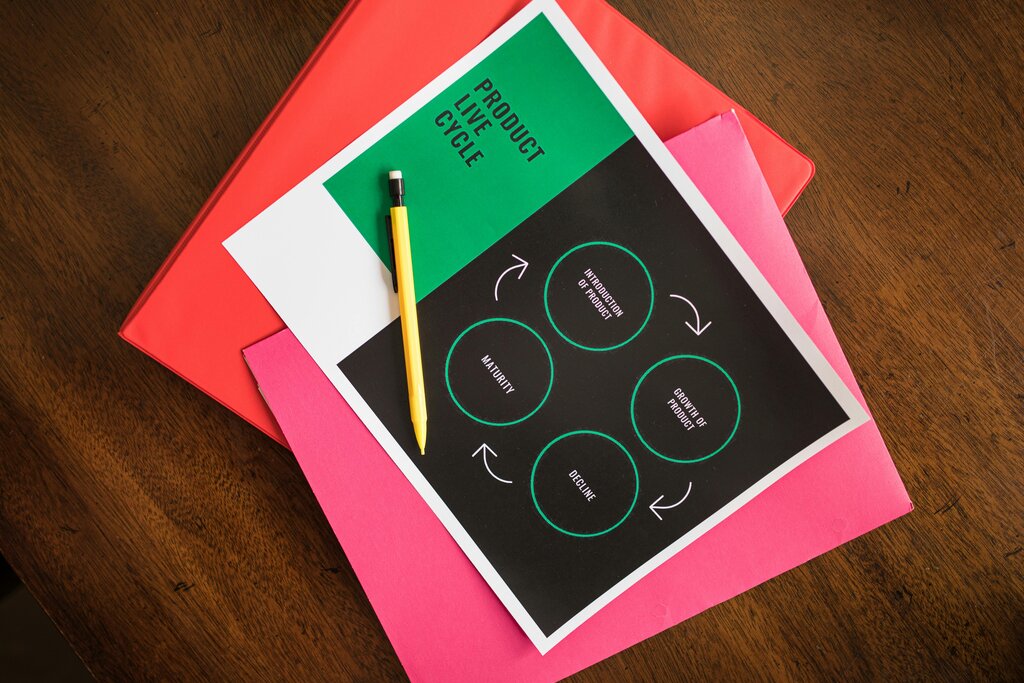
1. Introduction: This is the launch phase. The product is new, and the main goal is to build awareness and encourage initial adoption. Sales are typically slow as the market gets to know the product.
2. Growth: If the product catches on, it enters a period of rapid growth. Sales increase, new users are acquired, and the focus shifts to adding features and scaling up to meet demand.
3. Maturity: The product is now well-established. Sales growth slows down, and the market may become saturated with competitors. The focus here is on defending market share and maximizing profit, often through small improvements or optimizations.
4. Decline: Eventually, sales begin to fall. This could be due to new technology, changing consumer tastes, or increased competition. At this stage, a company must decide whether to discontinue the product, sell it, or find a new use for it.
Aligning to Needs and Goals
A product can be beautifully designed and technically perfect, but if it doesn't solve a real problem for people (a market need) or help the company achieve its objectives, it will likely fail. This is the central challenge of product management: ensuring the product is both valuable to users and valuable to the business.
To understand market needs, PMs talk to customers, analyze data, and study the competition. They work to uncover the core problems users are facing. To align with business objectives, they work closely with company leaders to understand goals like increasing revenue, entering a new market, or improving brand reputation. The product becomes the vehicle for achieving those goals.

This constant balancing act ensures that the team is always working on the most important thing—building a product that people want to use and that supports a sustainable business.
Ready to check your understanding? Let's see what you've learned.
What is the primary goal of a Product Manager?
During which stage of the product life cycle does a company focus on defending market share and maximizing profit as sales growth begins to slow?
Great job. You've now learned the foundational concepts of what product management is, what a product manager does, and how they guide products through their lifecycle by focusing on both user needs and business goals.