Product Management Essentials
Introduction to Product Management
What Is Product Management?
Product management is the art and science of guiding a product's journey from a simple idea to a successful launch and beyond. Think of a product manager (PM) as the captain of a ship. They don't row the oars, hoist the sails, or build the engine, but they are responsible for setting the destination and making sure the entire crew works together to get there safely and efficiently.
Product management is the strategic practice of driving the development, market launch, and continual support and improvement of a company's products.
In the tech world, a "product" can be anything from a mobile app or a website to a piece of software used by other businesses. The goal of product management is to create something that people love and that achieves the company's goals, whether that’s making money, gaining users, or solving a critical problem.
The Product Manager's Role
A product manager sits at the intersection of several key teams within a company. They are a central hub, ensuring that business goals, user needs, and technical possibilities are all aligned. They translate the needs of the customer into a language that designers and engineers can use to build a solution. They also communicate the team's progress and plans back to the company's leadership.
This central position requires strong communication and collaboration skills. A PM doesn't manage people directly; they lead through influence, data, and a clear vision for the product. Their success is tied to the success of the entire team.
The Balancing Act
In tech, things move quickly. New technologies emerge, customer expectations change, and competitors are always launching new features. Product management is vital because it provides a steady hand to navigate this chaos.
A core part of the job is balancing three key concerns:
- User Desirability: Are we building something people actually want and will use?
- Business Viability: Does this product make sense for our business? Will it help us reach our financial or strategic goals?
- Technical Feasibility: Can our engineers actually build this with the resources and time we have?
Ignoring any one of these pillars leads to problems. A product that users don't want will fail. A product that isn't financially viable can't be sustained. And an idea that's impossible to build remains just an idea. The product manager's job is to find the sweet spot where all three overlap.

Key Responsibilities
While the day-to-day can vary, a product manager's work generally revolves around a few core activities. They own the product's strategy, define its features, and oversee its development from start to finish.
| Responsibility | Description |
|---|---|
| Define the Vision | Set the long-term direction and answer the question, "What problem are we solving?" |
| Conduct User Research | Talk to users, analyze data, and understand their needs and pain points. |
| Create the Roadmap | Outline which features will be built and in what order. This is a plan, not a promise. |
| Prioritize Work | Decide what the team should focus on next, balancing user impact against development effort. |
| Collaborate with Teams | Work daily with engineers and designers to bring the product to life. |
| Communicate with Stakeholders | Keep everyone from leadership to marketing informed about progress and plans. |
One of the most challenging and important tasks is prioritization. A product manager constantly has a long list of great ideas, bug fixes, and user requests. Since a team can't build everything at once, the PM must make tough decisions about what will provide the most value to users and the business right now.
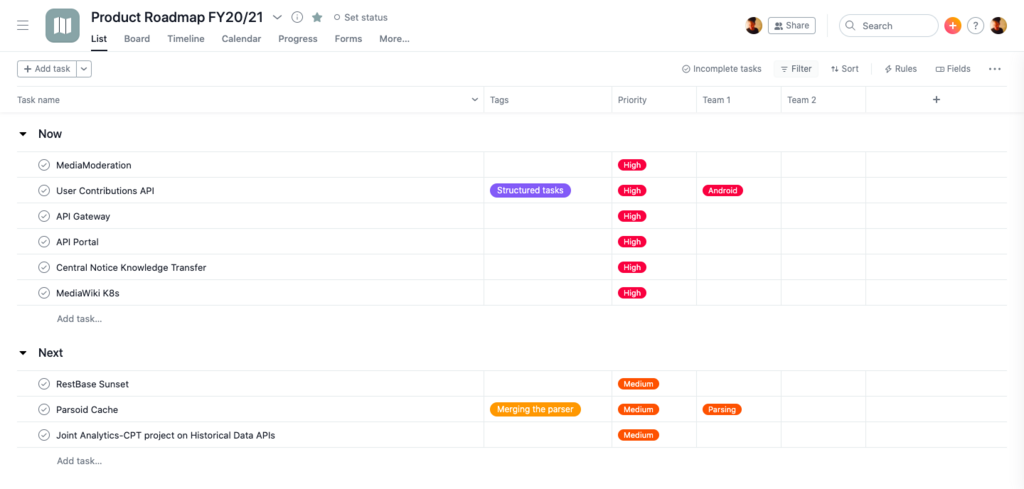
This involves a lot of analysis, negotiation, and saying "no" more often than "yes." A well-prioritized roadmap ensures the team is always working on the most impactful things.
Now, let's test your understanding of these core concepts.
According to the 'captain of the ship' analogy, what is the primary role of a product manager?
A successful product manager must balance three key concerns. Which of the following is NOT one of those three core pillars?
In short, product management provides the strategic direction that turns great ideas into valuable, successful products.