Product Management and Design Fundamentals
Introduction to Product Management
What is Product Management?
Product management is the art and science of guiding a product's journey from a simple idea to a successful launch and beyond. Think of a product manager as the director of a movie. They don't write every line, film every scene, or act in the film, but they hold the complete vision. They ensure the scriptwriters, actors, and camera crew are all working together to create a cohesive, compelling story.
Product management is the process of guiding a product from concept to market success.
At its core, this field is about solving problems for people in a way that works for the business. A product could be anything from a mobile app or a piece of software to a physical object like a coffee maker. The product manager's job is to figure out what customers need, what the business should build to meet that need, and how to rally a team to make it happen. They are the bridge connecting customer needs with business goals and technical possibilities.
The Product Manager's Role
A product manager's responsibilities are broad and can change depending on the company, but they generally fall into three main areas.
First is strategy. The product manager defines the product's vision and strategy. They answer the big questions: Why should we build this? Who is it for? What makes it different? They create a roadmap, which is a high-level plan that shows how the product will evolve over time.
Next comes execution. Product managers work closely with engineers, designers, and marketers to bring the product to life. They translate the high-level strategy into specific features and requirements. They prioritize what gets built next, making tough decisions to ensure the team is always working on the most valuable tasks.
Finally, and most importantly, is user focus. Product managers are the voice of the customer. They spend time understanding user problems, needs, and desires through interviews, surveys, and data analysis. This deep customer empathy ensures the team builds a product that people actually want to use.

It’s important to remember that creating a product is a team sport. The product manager’s job isn’t to do everything themselves, but to align and guide the team toward a common goal.
The Product Lifecycle
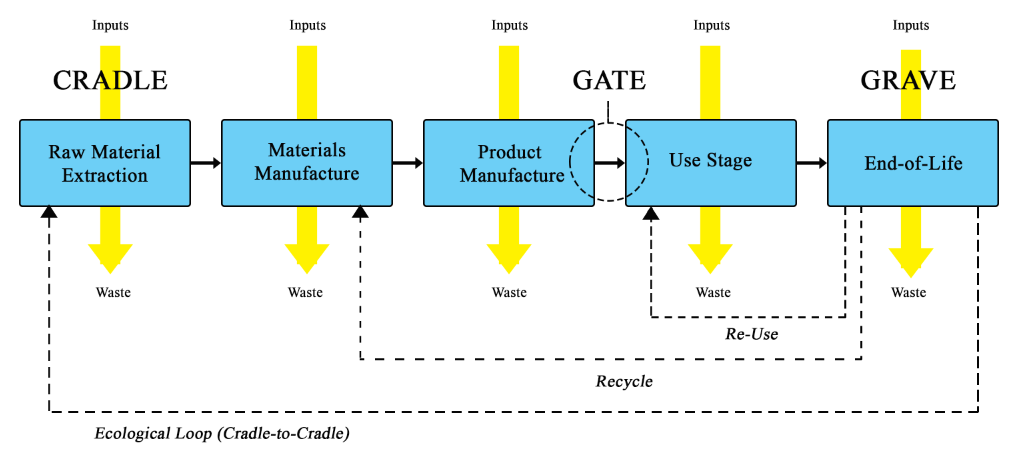
Products, like living things, go through a life cycle. A product manager's focus and strategy must adapt as the product moves through these stages.
1. Introduction: This is the launch phase. The product is new to the market, and the main goal is to build awareness and encourage early adoption. Sales are typically low as the market gets to know the product.
2. Growth: The product starts to gain traction. Sales and user numbers increase rapidly. The focus shifts to adding new features, improving performance, and scaling to meet demand.
3. Maturity: The product is well-established, and growth slows down. The market may be saturated, and competition is often fierce. The goal here is to defend market share, optimize existing features, and maximize profit.
4. Decline: Eventually, sales begin to fall. This could be due to new technology, changing customer preferences, or market saturation. The product manager must decide whether to pivot the product, retire it, or find a new niche.
Key Skills for Success
To navigate these responsibilities and stages effectively, product managers need a unique blend of skills. While technical knowledge can be helpful, soft skills are often what separate great product managers from good ones.
| Skill | Why It's Important |
|---|---|
| Strategic Thinking | To define a clear vision for the product and understand how it fits into the broader market and company goals. |
| Communication | To articulate the product vision to stakeholders, collaborate with the team, and understand user feedback. |
| Prioritization | To make smart decisions about what to build next with limited time and resources, focusing on maximum impact. |
| Empathy | To deeply understand the user's problems and needs, ensuring the team builds a solution that truly helps them. |
| Business Acumen | To understand the financial implications of product decisions and ensure the product is not just loved by users but also viable for the business. |
Becoming a successful product manager is a journey of continuous learning. It involves balancing the needs of the customer, the goals of the business, and the constraints of technology to create something valuable.
Ready to test your knowledge? Let's see what you've learned about the fundamentals of product management.
Which statement best describes the core role of a product manager?
Creating a high-level plan that shows how a product will evolve over time is known as a product roadmap. This task falls under which core area of product management?
Understanding these core concepts is the first step in exploring the dynamic and impactful field of product management.