Product-Led Growth and Go-To-Market Synergy
Introduction to Product-Led Growth
What is Product-Led Growth?
Think about the last app you downloaded that you started using right away, without a sales demo or a lengthy setup call. Maybe it was a project management tool, a design app, or a communication platform. You signed up, figured it out on your own, and saw its value firsthand. If so, you've experienced Product-Led Growth (PLG).
PLG is a strategy where the product itself is the main engine for acquiring, converting, and keeping customers. Instead of relying on traditional sales teams to convince people to buy, the product is so good and easy to use that it essentially sells itself. Users try it, love it, and then choose to upgrade or share it with others.
Product-Led Growth (PLG) is a go-to-market strategy where the product itself is the primary driver of customer acquisition, conversion, and expansion.
This approach flips the traditional model on its head. It puts the user experience front and center, trusting that a great product will lead to growth. It's particularly powerful for software companies, where users can often try a product for free before committing to a purchase.
The Core Principles
Product-Led Growth isn't just about offering a free trial. It's a philosophy built on a few key principles that work together to create a powerful growth engine.
User-Centric Design
At its heart, PLG is about an obsession with the user. The goal is to create a product that is not just functional, but also intuitive, enjoyable, and valuable from the very first interaction. Every design decision is made with the user's needs and goals in mind. A seamless experience isn't a nice-to-have; it's the core of the strategy. When the product is easy to learn and delivers immediate value, users are more likely to stick around and become paying customers.
Self-Service Experience
In a PLG model, users are in the driver's seat. They should be able to discover, sign up for, and start using the product without needing to talk to anyone. This self-service approach removes friction from the buying process. Think of models like freemium (where a basic version is free forever) or free trials (where you get full access for a limited time). These allow users to experience the product's value directly, which is a far more powerful sales pitch than any brochure or demo.
Data-Driven Decision Making
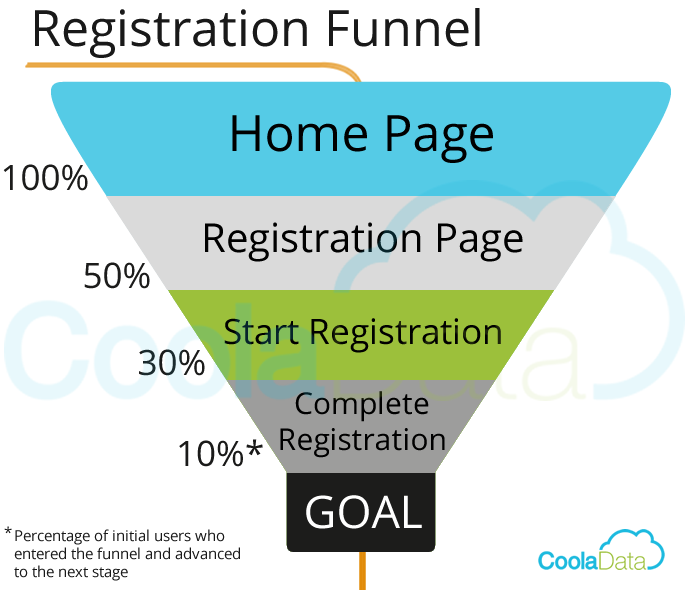
How do you know if your user-centric design is working? Data. PLG companies constantly analyze how people use their products. They track metrics like sign-up rates, feature adoption, and the time it takes for a user to experience a key benefit—often called the "aha moment."
This data isn't just for reports. It's the fuel for continuous improvement. Insights from user behavior guide everything from product updates and new features to marketing messages and when it might be appropriate for a sales representative to reach out to a high-potential user.
Benefits of PLG
Adopting a PLG strategy can lead to significant advantages. One of the most obvious is faster growth. By removing barriers and letting the product do the talking, companies can attract a much larger pool of potential users than a traditional sales team ever could. This often leads to lower customer acquisition costs, as the primary marketing channel is the product itself.
Because PLG is so focused on user value, it tends to create happier, more loyal customers. When users succeed with a product on their own terms, they're more likely to become advocates, spreading the word and creating a powerful, organic growth loop.
Finally, PLG provides a direct line of feedback. By observing how millions of users interact with the product, companies gain invaluable insights that can lead to better products and smarter business decisions.
Now that you have a foundational understanding of what PLG is, let's test your knowledge.
What is the core principle of a Product-Led Growth (PLG) strategy?
In a PLG model, the moment a user understands the key benefit of a product for the first time is often called the '_____ moment'.
Understanding these core concepts is the first step in seeing how a great product can become a company's most effective growth strategy.