Product Feature Scoping Essentials
Introduction to Product Feature Scoping
What Is Feature Scoping?
Product feature scoping is the process of deciding exactly what a product, or a new feature for that product, will do. It's about drawing a clear line between what's included and what's left out for a future update. Think of it like defining the borders of a map before you start exploring. You decide which towns, rivers, and mountains will be on this version of the map, and which ones will wait for the next edition.
This process isn't just about making lists. It's a critical step that connects the big-picture business goals with the practical needs of the people who will use the product. The goal is to focus the team's effort on building the right things in the right order.
Effective scoping ensures that every feature serves a clear purpose, solving a real problem for the user while supporting the company's objectives.
Without it, teams can get lost. They might spend months building a feature that nobody wants, or they might try to build everything at once, leading to delays and a confusing product. This is often called "scope creep," where new ideas and requests are constantly added without a clear plan, bloating the project and pushing it off schedule.
Project scope defines the boundaries of a project by specifying what’s included, what’s excluded, and how the team will deliver the final outcome.
Why Scoping Matters
Properly scoping features brings significant benefits. First, it leads to better resource allocation. Every team has a limited amount of time, money, and people. A clear scope ensures these resources are invested in the features that will deliver the most value, preventing wasted effort on non-essential additions.
Second, it improves product-market fit. This term describes how well a product satisfies strong market demand. By focusing on a core set of features that solve a specific user problem, you increase the chances of creating something people genuinely need and are willing to pay for. You're not just building features; you're building solutions.
Finally, a well-defined scope helps teams get their product to market faster. Instead of trying to perfect a massive product behind closed doors, scoping allows teams to release a smaller, more focused version sooner. This gets the product into the hands of real users quickly, providing valuable feedback that can guide future development.
Frameworks for Scoping
To help with this process, many teams rely on established methodologies. Two of the most influential are Lean Startup and Agile.
Lean Startup is all about speed and learning. It encourages teams to build a Minimum Viable Product (MVP), which is the simplest version of a product that can be released to customers. The goal isn't to launch a finished product, but to test a core idea and gather data. This feedback loop of building, measuring, and learning helps ensure that you're creating something people actually want, before you invest too much time and money.
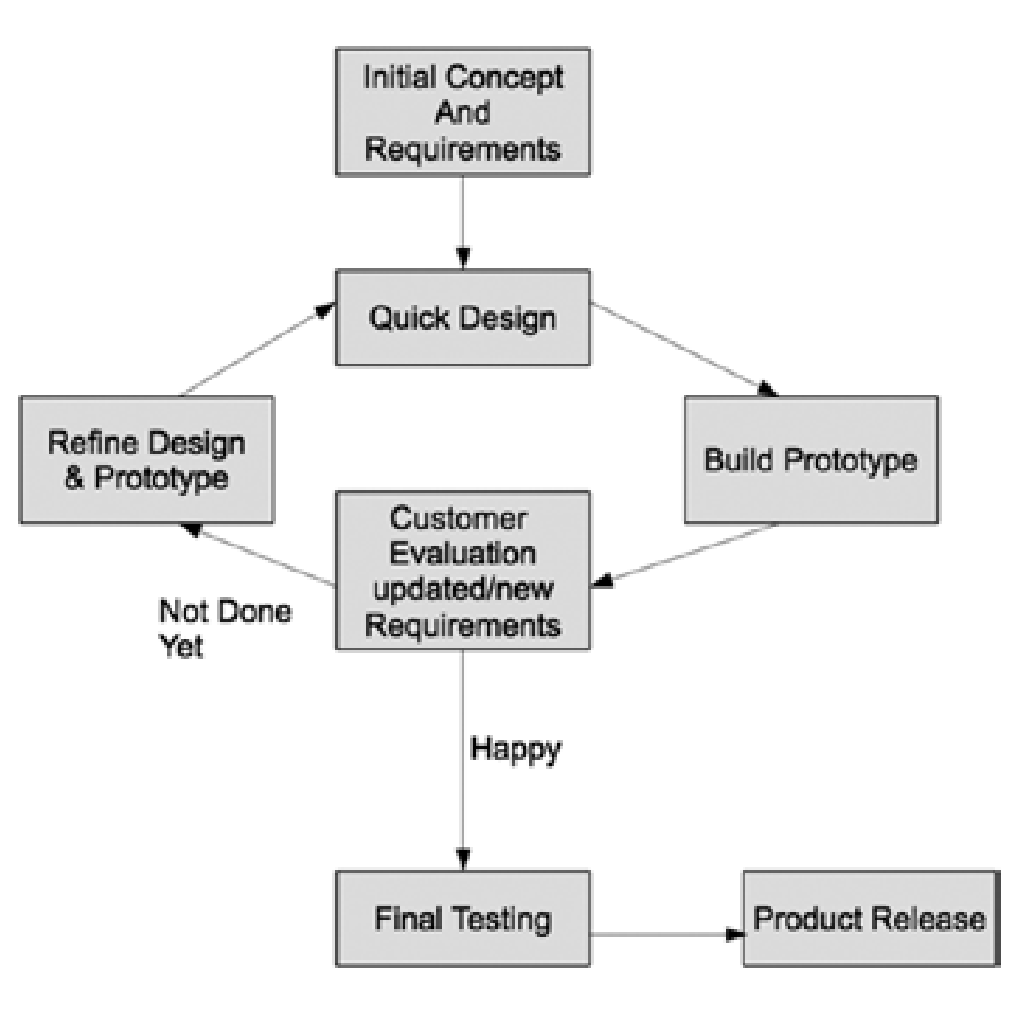
Agile is a broader project management philosophy that complements the Lean Startup approach. Instead of one long development phase, Agile breaks work into small, manageable cycles called "sprints." At the end of each sprint, the team delivers a working piece of the product. This iterative process allows for flexibility and continuous improvement. If user needs change or new information comes to light, the team can adapt quickly in the next sprint.
Both methodologies champion a core idea: it's better to start small, get feedback early, and adapt, rather than trying to plan everything perfectly from the start. They provide a structure for making smart scoping decisions, focusing the team on delivering value to the user in small, consistent increments.
What is the primary purpose of product feature scoping?
The continuous, uncontrolled addition of new features and requirements to a project after it has started is commonly known as ________.
Feature scoping is a foundational skill in product management. It provides the focus needed to turn a great idea into a successful product.