Product Engineering Fundamentals
Introduction to Product Engineering
What is Product Engineering?
Product engineering is the discipline of designing, building, and maintaining software with the user at its core. It's not just about writing code. It's a holistic approach that covers the entire journey of a product, from the initial idea to its long-term evolution in the market.
Think of it as the difference between a one-off project and a living product. A project has a clear start and end—like building a custom shed. You get requirements, build it, and you're done. A product, like a popular smartphone app, is never truly finished. It requires constant updates, feature additions, and support to stay relevant and valuable to its users.
Product engineering blends technical skill with a deep understanding of user needs and business strategy to create software that people love and that succeeds in the market.
Its Role in Software Development
Product engineering isn't a single phase in the software development lifecycle (SDLC); it's a mindset that influences every stage. While traditional development might focus on delivering a specific set of features by a deadline, product engineering focuses on delivering a valuable outcome for the user.
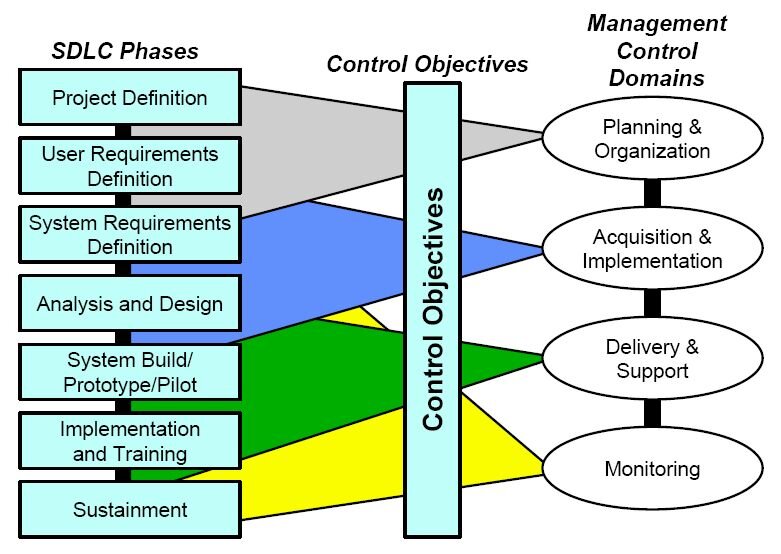
This means a product engineer is involved from the very beginning, helping to define what should be built and why. They work alongside designers and product managers to understand the problem space. During development, they make technical decisions that balance immediate needs with long-term scalability and maintainability. After launch, they analyze data and user feedback to inform the next cycle of improvements.
Key Principles of Development
Effective product development is guided by a few core principles. These aren't rigid rules but rather a framework for building better software.
Having user-centered product design principles means emphasizing early user involvement and iterative refinement to give a product its best chance of meeting user expectations.
The most important principle is being user-centric. Every decision should be traced back to a real user need. This requires empathy and a commitment to solving the user's problem, not just shipping features.
Next is iterative development. Instead of building the entire product in one go, teams build and release small, functional pieces. This allows for rapid feedback and course correction, ensuring the final product truly hits the mark.
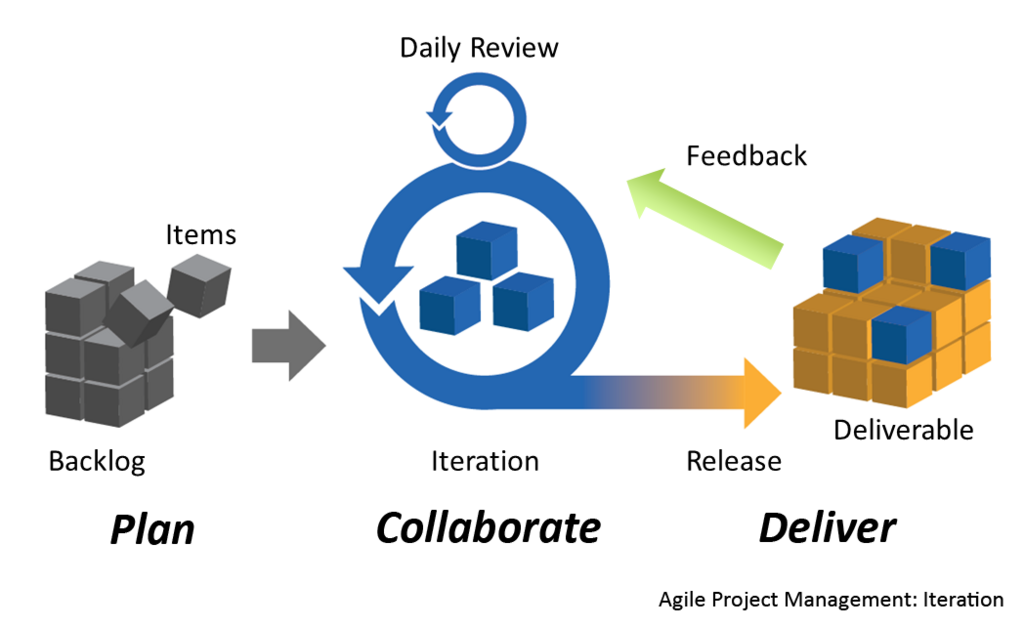
Finally, product engineering thrives on cross-functional collaboration. Engineers don't work in a silo. They are part of a core team that includes product managers, designers, and researchers, all working together toward a shared goal.
Aligning with Users and Business
A successful product must find the sweet spot between what users need, what is technically possible, and what helps the business grow. This alignment is a primary goal of product engineering.
Product engineers act as a bridge. They translate user needs into technical specifications and explain technical constraints to the rest of the team. For example, a business might want to launch a new feature quickly. A product engineer can assess the technical trade-offs, perhaps proposing a simpler version that can be released sooner to test the market, satisfying both user demand and business timelines.
By keeping these three areas in balance, teams can avoid building products that nobody wants, are too expensive to maintain, or fail to achieve their strategic objectives.
This approach ensures that engineering effort is always focused on creating real, sustainable value.