Product Development Documentation Essentials
Introduction to Product Development Documents
Blueprints for a Great Product
Building a successful product is like constructing a house. You wouldn't start hammering nails without a detailed blueprint. In product development, key documents serve as these blueprints, ensuring everyone from engineers to marketers is working from the same plan. Three of the most important documents are Brand Guidelines, Product Requirements Documents, and Product Positioning Documents.
Brand Guidelines
Brand Guidelines are the rulebook for your product's personality. They define how the product looks, feels, and communicates with the world. This includes everything from the exact shades of colors and fonts to the tone of voice used in messages and advertisements. Think of it as a style guide that ensures consistency everywhere the product appears.
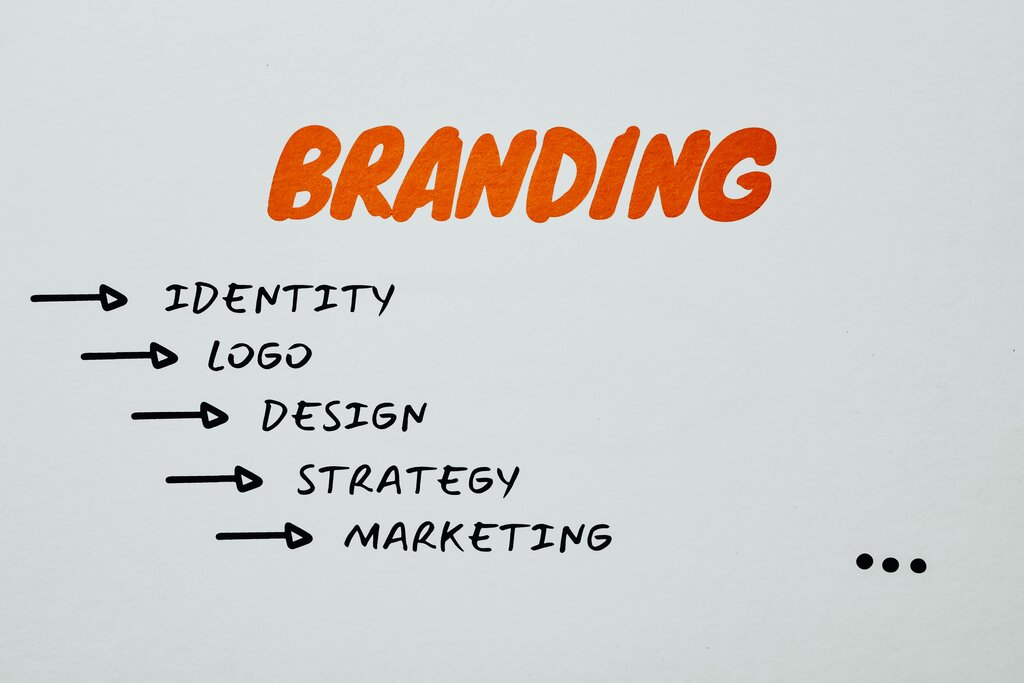
The main purpose of these guidelines is to build a strong, recognizable brand identity. When a product's appearance and voice are consistent, customers begin to trust it. It creates a cohesive experience, whether a user is on the website, using the app, or seeing an ad on social media.
Product Requirements Document (PRD)
While brand guidelines define the product's personality, the Product Requirements Document (PRD) defines the product itself. This document outlines what the product should do, who it's for, and why it's being built. It answers the fundamental questions that guide the development team.
A PRD typically details the product's purpose, features, functionality, and the problems it solves for the user. It serves as the single source of truth for the entire team throughout the building process.
The PRD is crucial for aligning the design and engineering teams. It translates user needs and business goals into a concrete plan, ensuring that what gets built is what was intended. Without a clear PRD, teams risk building features that don't solve a real problem or missing critical functionality.

Product Positioning Document (PPD)
Once you know what your product is and what it looks like, you need to figure out where it fits in the world. That's the job of the Product Positioning Document (PPD). This document defines the product's place in the market. It identifies the target audience, analyzes competitors, and clarifies what makes the product unique.
The PPD is the blueprint for the marketing and sales teams. It guides how they talk about the product, who they sell it to, and how they differentiate it from the competition. Its purpose is to craft a clear and compelling message that resonates with the right customers.
How They Work Together
These three documents don't exist in isolation. They are interconnected and build on one another to guide a product from an idea to a successful launch.
The process often starts with the PRD, which solidifies the core purpose and functionality of the product. The Brand Guidelines then ensure the user interface and all related materials align with the company's identity. Finally, the PPD takes the finished product concept and carves out its space in the market, guiding the launch strategy.
Together, these documents create a powerful framework. They align teams, reduce confusion, and provide a clear path forward, dramatically increasing the chances of building a product that people love.
Which document primarily serves as a blueprint for the marketing and sales teams by defining the product's target audience and unique place in the market?
A design team and an engineering team are in conflict. The engineers have built a feature that works, but the designers argue it doesn't solve the core user problem it was intended to address. Which document should have prevented this misalignment?