Product Design for Builders
Introduction to Product Design
What Is Product Design?
Product design is the process of creating a new product to be sold by a business to its customers. It's a broad concept, but at its heart, it's about solving problems. Whether it's a physical object like a coffee mug or a digital app on your phone, a designer's first job is to understand a person's need and then craft a solution.
This involves more than just making things look good. It's a blend of art, science, and commerce. Designers ask questions like: Who is this for? What problem does it solve? How will it work? What should it feel like to use? The goal is to create something that is not only functional but also delightful and easy to use.
To create a successful product, it is essential to understand the needs and behaviors of the target users.
Think of it as the bridge connecting a user's problem to a working solution. Every choice, from the materials of a chair to the color of a button in an app, is a deliberate decision aimed at making the user's life a little bit better or easier.
A Quick Look Back
The idea of product design really took off during the Industrial Revolution. For the first time, goods could be mass-produced in factories. Suddenly, companies needed a way to make their products stand out from the competition. Design became a key differentiator.
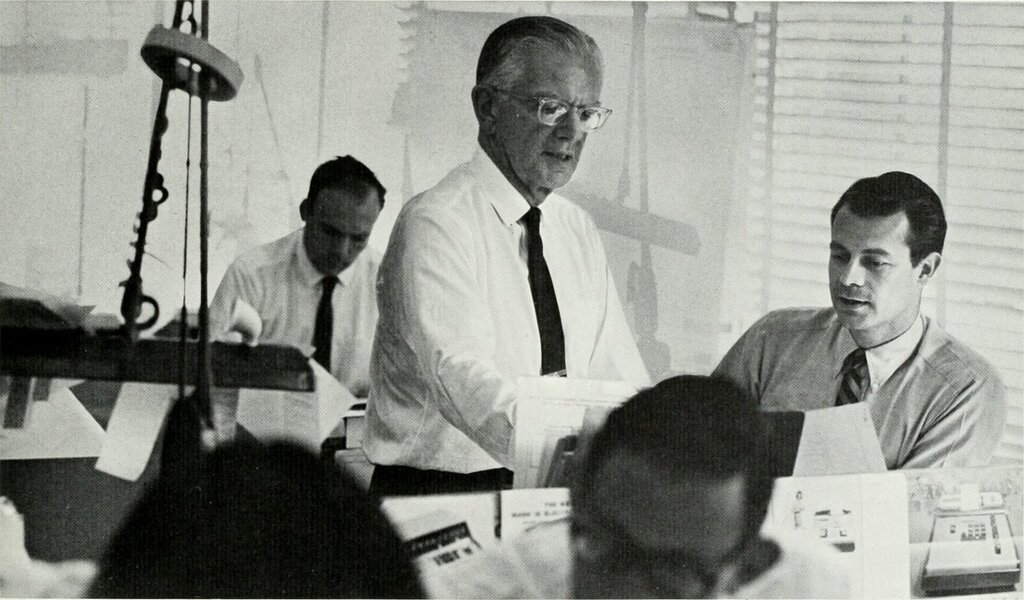
Early on, the focus was mainly on the physical object itself—its mechanics and appearance. This field was called industrial design. But as technology evolved, so did design. The invention of personal computers, the internet, and smartphones opened up a new world of digital products. Designers were no longer just shaping physical objects; they were crafting entire digital experiences.
More Than Just Looks
A common misconception is that product design is all about aesthetics. While making a product visually appealing is important, it's only one piece of the puzzle. The most beautiful app in the world is useless if it's confusing and impossible to navigate. Likewise, a highly functional tool that's clunky and unpleasant to use won't be very popular.
Great product design finds the perfect balance between form and function. It ensures that a product not only works flawlessly but also feels good to use. The look, feel, and usability all work together to create a cohesive and enjoyable experience for the user.
Shaping Our Experience
Every product you interact with has been designed, and that design directly shapes your experience. This is often called User Experience, or UX.
User Experience (UX)
noun
How a person feels when interacting with a system. This includes a person's perceptions of utility, ease of use, and efficiency.
Think about the last time you used a frustrating website or a confusing remote control. That feeling is the result of poor design. The designers didn't fully consider your needs or how you would interact with the product.
On the other hand, when a product feels intuitive and effortless, that's good design at work. The designer anticipated your needs and created a seamless path for you to achieve your goal. This focus on the user is what separates mediocre products from truly great ones.
Good design is invisible. It’s so effective and natural that you don’t even notice it's there. You just accomplish your task without friction.
By understanding these core principles, you can start to see the world differently. You'll notice the thoughtful details in the products you love and the missed opportunities in the ones that frustrate you. This is the first step toward thinking like a product designer.
What is the primary goal of product design?
The feeling a person has when interacting with a product, which is directly shaped by its design, is called: