Product and UX Design Careers
Introduction to Product and UX Design
What is Product Design?
Product design is the entire process of creating a product that serves a user. This starts with identifying a user's problem and ends with a solution that meets their needs while also achieving business goals. It’s not just about how a product looks, but how it works, how it feels, and what problem it solves.
Think of a product designer as an architect for a digital or physical product. They map out the big picture, considering everything from the user's initial need to the final, polished result. They ask questions like: What problem are we solving? Who are we solving it for? What makes a solution effective and viable for the business?
The goal is to create a seamless experience that guides the user from a problem to a solution in the most efficient and enjoyable way possible.
What is UX Design?
User Experience (UX) design is a crucial part of product design. It focuses specifically on the experience a person has while interacting with a product. The main goal of a UX designer is to make a product useful, usable, and enjoyable.
If the product designer is the architect, the UX designer is the interior designer. They focus on the flow of the rooms, the placement of the doors, and whether the light switches are in logical places. It's all about the quality of the interaction.
UX design ensures a product is:
- Useful: Does it solve a real problem?
- Usable: Is it easy to navigate and understand?
- Enjoyable: Does the user have a positive emotional response to it?
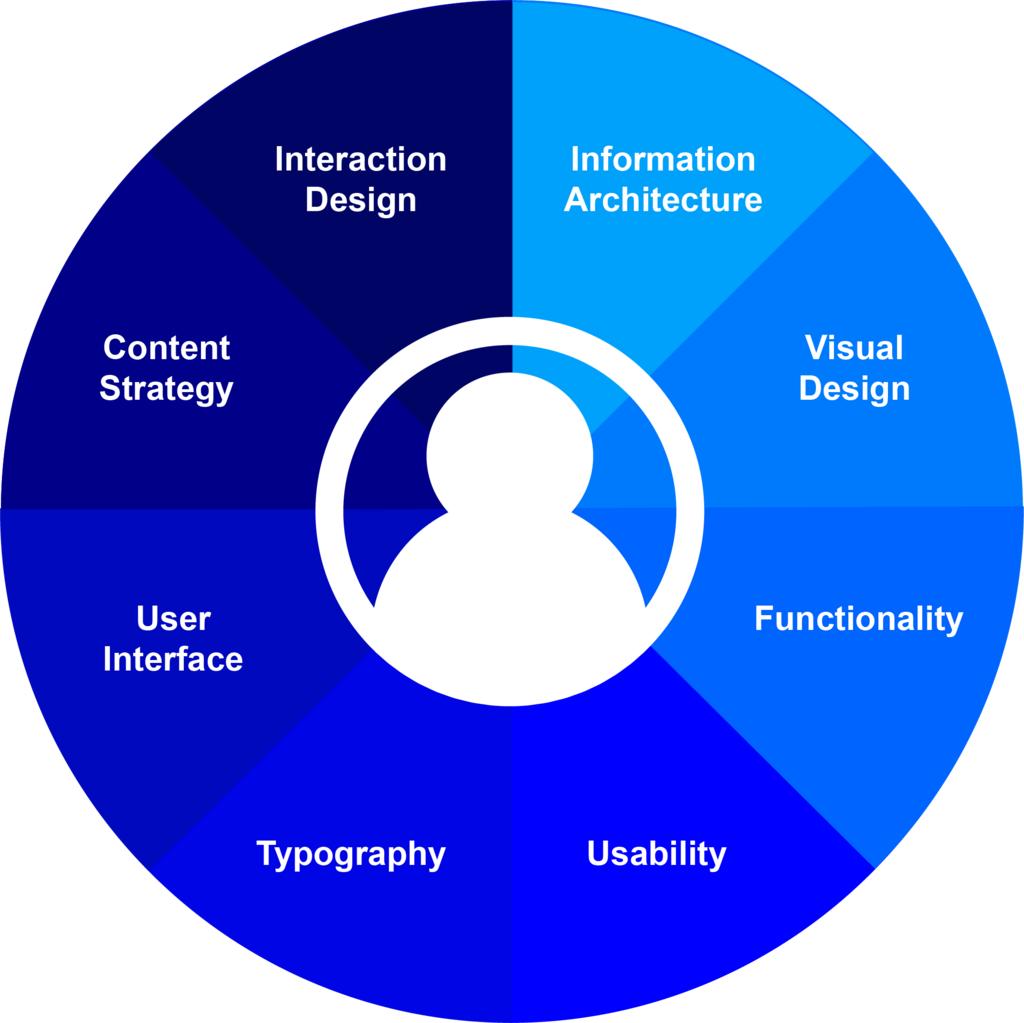
Putting the User First
Both product design and UX design are guided by a core philosophy: user-centered design. This approach places the user at the heart of every decision. Instead of building a product and hoping people will like it, teams first gain a deep understanding of their users' needs, behaviors, and motivations.
Why is this so important? Products built without understanding the user are likely to fail. User-centered design reduces the risk of building the wrong thing. It leads to products that people not only use but also love, because they feel like the product was made just for them.
The cornerstone of excellent UX and product design is a deep understanding of your users.
The Product Development Process
Creating a product isn't a single event; it's a journey. While processes vary, they generally follow a pattern of understanding the problem, exploring solutions, and then refining the final product. This is often an iterative loop rather than a straight line.
A common way to visualize this journey is the Double Diamond model. It breaks the process into four distinct phases:
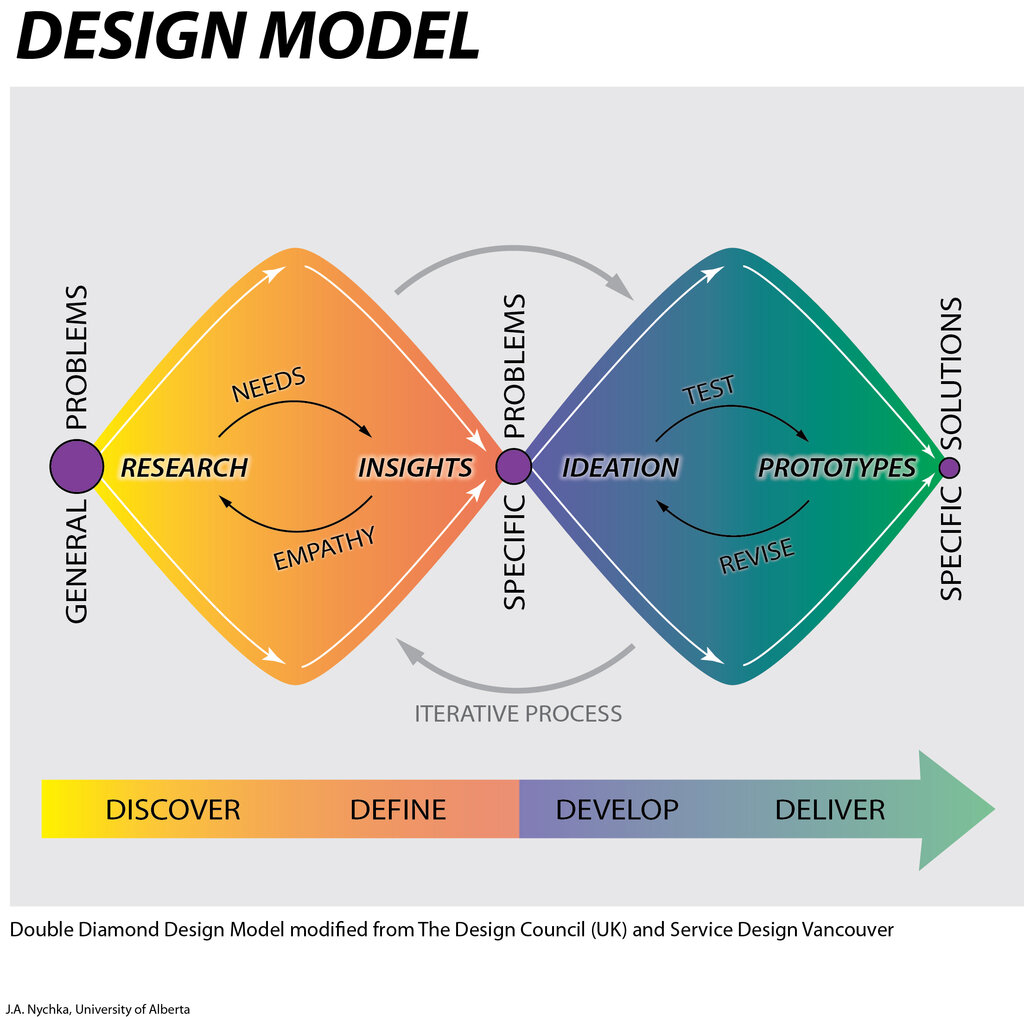
- Discover: The first phase is about research. The team works to understand the problem space without jumping to solutions. This involves talking to users, conducting market research, and exploring the context of the problem.
- Define: With a wealth of information from the discovery phase, the team narrows its focus to define the core problem they will solve. This results in a clear problem statement that guides the rest of the process.
- Develop: Here, the team brainstorms and creates potential solutions. This is a period of exploration where designers might create sketches, wireframes, and prototypes. The goal is to generate many ideas.
- Deliver: In the final phase, the team tests and refines the solutions. Prototypes are put in front of users for feedback, and the best-performing solution is built and launched.
This structured approach ensures that the final product is not just a guess, but a well-researched solution to a real user problem.
Let's review the key terms we've just covered.
Now, check your understanding of these foundational concepts.
What is the primary focus of product design?
If a product designer is like an architect for a house, what is the role of a UX designer in this analogy?
Ultimately, both product and UX design are about empathy. By understanding people's problems, designers can create tools that make their lives easier and more enjoyable.