Product Analytics with Amplitude
Introduction to Product Analytics
What Is Product Analytics?
Product analytics is the process of understanding how users interact with a product or service. Think of a store owner who watches customers to see which aisles they walk down, what products they pick up, and where they get confused. Product analytics does the same thing, but for digital products like apps and websites.
By collecting and analyzing user behavior data, teams can answer critical questions. Which features are the most popular? Where do users get stuck? What makes someone decide to upgrade their account? The answers to these questions help businesses make smarter decisions, build better products, and create experiences that customers love.
Product analytics tells you what's happening in your product.
Without this data, product development is based on guesswork. With it, every decision can be informed by what users actually do, not just what they say they do.
Key Metrics to Watch
You can track countless actions within a product, but a few key metrics provide the most insight. These usually fall into three main categories: engagement, retention, and conversion.
User Engagement
noun
Measures how often and how deeply users interact with your product. High engagement is a strong sign that users are finding value.
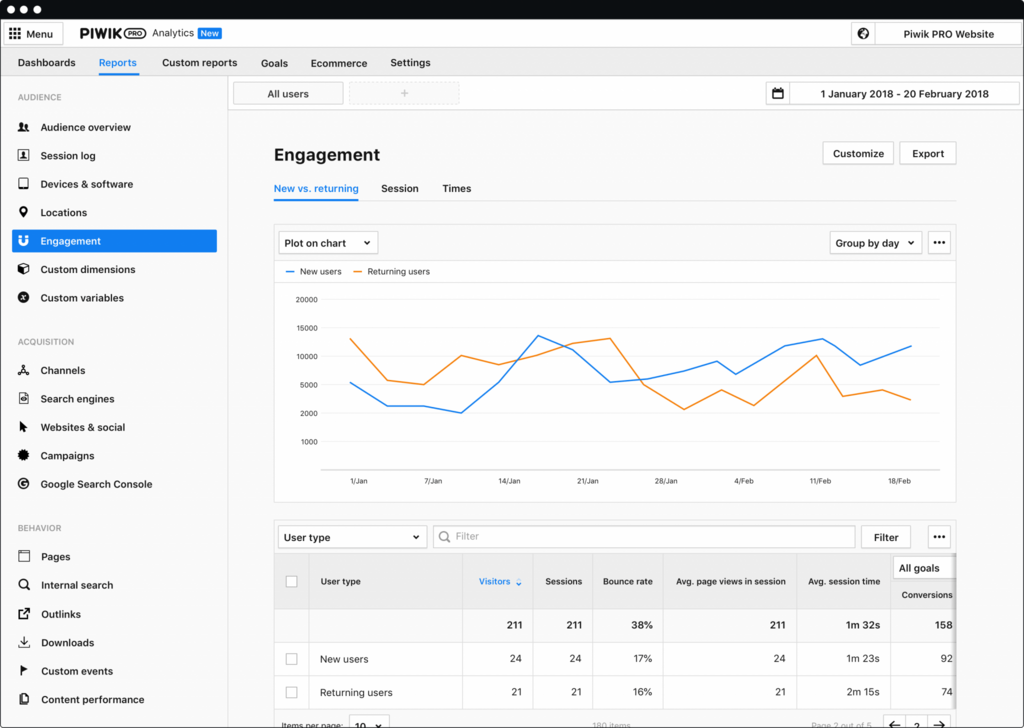
Engagement metrics can include things like daily active users (DAU), session length, or feature adoption rate (the percentage of users who try a new feature). A healthy product doesn't just have lots of users; it has active, engaged users.
Retention
noun
The percentage of users who continue to use your product over time. It's a crucial indicator of long-term value and product health.
If engagement shows that users like your product now, retention shows they'll keep liking it in the future. Acquiring a new customer is often more expensive than keeping an existing one, which makes retention a vital metric for sustainable growth. A high retention rate means your product has become a habit for users.
Conversion
noun
When a user completes a desired action or reaches a milestone. These actions are often tied directly to business goals.
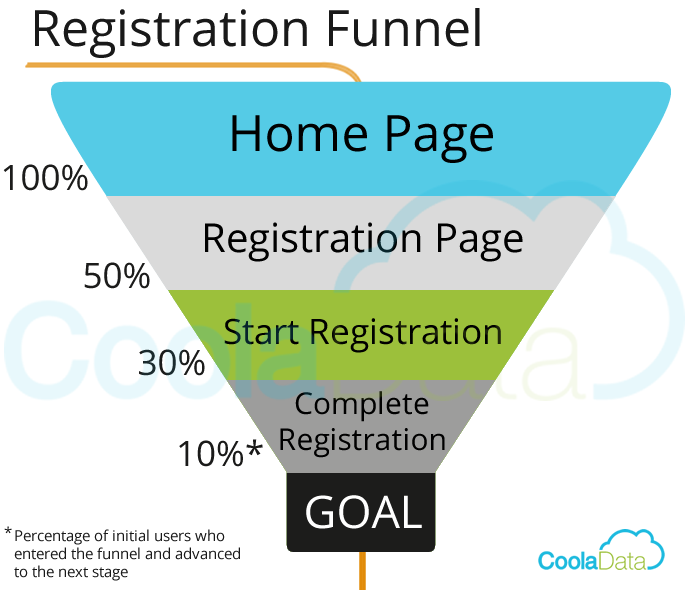
Conversion can mean many things: signing up for a free trial, making a purchase, inviting a friend, or upgrading to a premium plan. By mapping out these key actions in a "funnel," teams can see exactly where users are dropping off and focus their efforts on improving that step.
Turning Data Into Strategy
The true power of product analytics lies in using data to shape business strategy. It's not just about collecting numbers in a dashboard; it's about asking "why" and taking action.
If data shows that a new feature is rarely used (low engagement), the team might decide to improve its visibility or remove it. If users are abandoning their shopping carts at the payment step (low conversion), the team can investigate and simplify the checkout process.
This data-informed approach transforms product development from a series of gambles into a calculated process of improvement. Analytics helps teams prioritize what to build next, justify their decisions to stakeholders, and measure the impact of their work. By understanding user behavior, companies can align their product roadmap with what customers truly want and need.
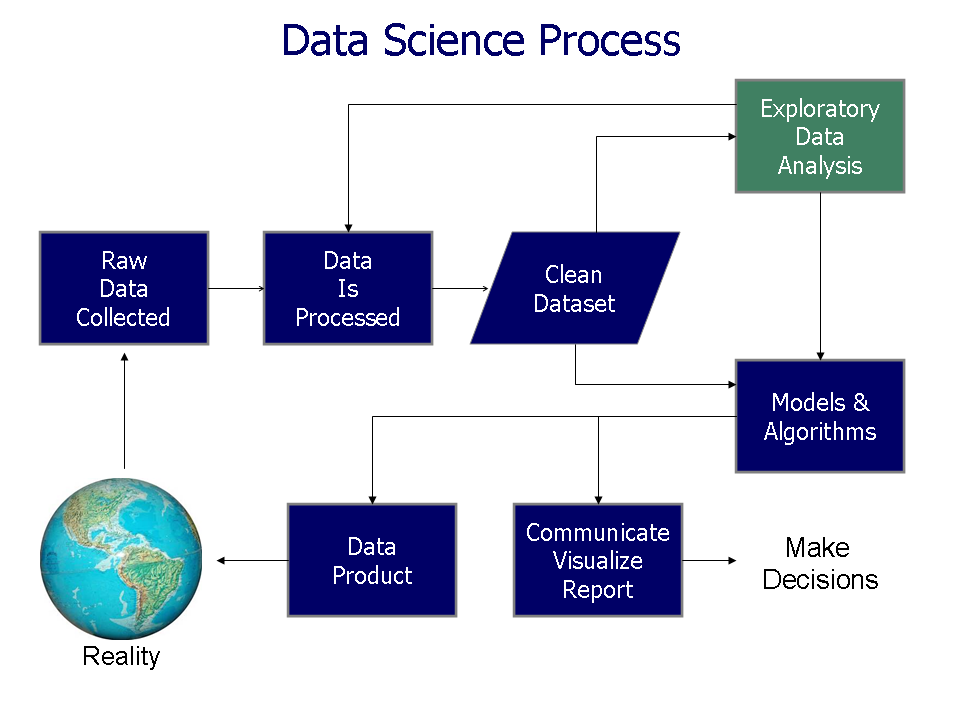
Ultimately, product analytics closes the loop between building a product and knowing if it's successful. It provides the objective feedback necessary to iterate, improve, and grow.
Ready to check your understanding?
What is the primary purpose of product analytics?
A team notices that a high percentage of new users stop using their app after the first week. Which key metric category should they focus on improving?
By focusing on these core ideas, you can start using data to build better products and understand your users more deeply.