Procurement Risk Management Mastery
Procurement Risk Landscape
Beyond the Purchase Order
Getting what you need to run a business seems simple: find a supplier, agree on a price, and place an order. But procurement is far more complex than that. It's a landscape filled with potential pitfalls that can disrupt your entire operation. Since you're already familiar with the basics of risk management, we can skip the theory and dive straight into the specific challenges that keep procurement professionals on their toes.
When the Chain Breaks
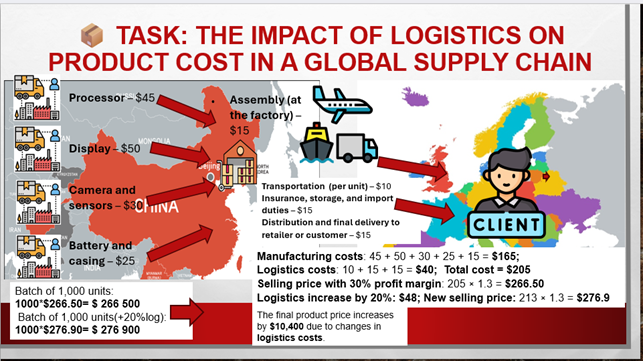
A supply chain is just what it sounds like: a series of connected links that move a product from raw material to a finished good in a customer's hands. A disruption is what happens when one of those links breaks. This isn't a minor inconvenience; it can bring a business to a halt.
Think about a car manufacturer. They rely on hundreds of suppliers for thousands of parts. A fire at a single microchip factory in another country can stop their entire assembly line. A labor strike at a major port can leave critical components sitting on a container ship for weeks. Even a single ship getting stuck in a canal can cause global ripples, delaying goods for everyone.
The impact is immediate and costly. Production stops, deadlines are missed, and customer trust erodes. A single broken link can create a domino effect that cascades through the entire business.
A disruption anywhere in the supply chain becomes a problem everywhere in the supply chain.
The Vendor Variable
Your suppliers are your partners, but they are also a significant source of risk. The most obvious is non-compliance. This happens when a vendor fails to meet the terms of your agreement. The goods they deliver might be poor quality, they might miss delivery deadlines, or they might violate labor laws or environmental regulations, creating a legal and reputational nightmare for your company.
Imagine a clothing brand that discovers its supplier is using child labor. The financial and brand damage can be catastrophic. Beyond ethics, there's performance. A vendor might consistently deliver late, forcing you to delay your own customer orders.
Another critical risk is vendor stability. What if your sole supplier for a patented component suddenly goes bankrupt? Or what if they're acquired by a competitor who cuts you off? Relying too heavily on a single source, no matter how reliable they seem, is a dangerous gamble.
To minimize procurement risks, businesses should implement proactive strategies such as:Supplier Diversification – Avoid relying on a single supplier by sourcing from multiple vendors across different regions.
Navigating Shifting Markets
The market is never static. Prices for raw materials, energy, and transportation can swing dramatically, a phenomenon known as price volatility. A construction company might budget for a project based on a certain price for steel, only to see it double before they can make the purchase. This can destroy project profitability or force difficult conversations with clients.
But it's not just about raw materials. Geopolitical factors play a huge role. A new trade war could lead to sudden, steep tariffs on imported goods. A conflict in another part of the world could disrupt shipping routes or cut off access to key resources. Currency fluctuations can also have a major impact. If the currency of a country you import from strengthens against your own, your costs go up overnight, even if the supplier's price hasn't changed.
Understanding these specific risks—supply chain breaks, unreliable vendors, and volatile markets—is the first step to building a resilient procurement strategy. Now let's test your understanding of these concepts.
A technology company relies on a single factory in another country to produce all of its microchips. A sudden geopolitical trade war leads to a complete ban on exports from that country. This situation is a primary example of:
Which of the following is the BEST example of vendor non-compliance?