Procurement Management Essentials
Procurement Fundamentals
What Is Procurement?
At its heart, procurement is simply the process of getting the goods and services your organization needs to operate. This goes far beyond just buying things. It's a strategic process that involves planning, finding suppliers, negotiating prices, and managing contracts.
Procurement refers to the process of acquiring goods, services, or works from external sources.
Think of it this way: a software company needs new laptops. It doesn't just go to the nearest store and buy the first ones it sees. The procurement team figures out exactly what kind of laptops are needed (the right quality), finds vendors who can supply them (the right source), negotiates a good price for a bulk order (the right price), and ensures they arrive when needed (the right time).
The main goal isn't just to spend money, but to spend it wisely. Effective procurement ensures that the company gets the best possible value, which helps it run efficiently and stay competitive.
The Procurement Lifecycle
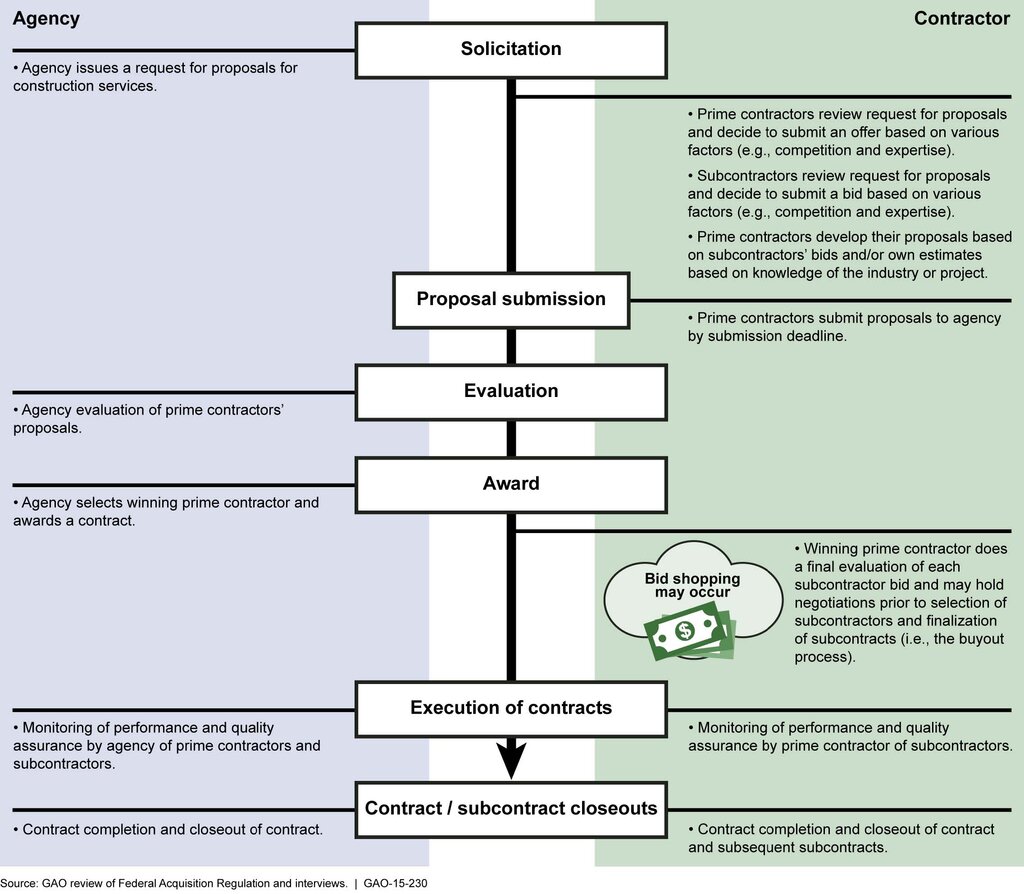
Procurement isn't a one-off task; it's a cycle with several distinct stages. Each step builds on the last to ensure the process is smooth, transparent, and effective. Understanding this cycle helps organizations manage their purchasing in a structured way.
This cycle ensures that nothing is missed. It starts with a clear need and ends with a review, which helps improve the process for next time. It provides a roadmap for turning a need into a delivered solution.
Key Roles and Guiding Principles
A successful procurement process involves collaboration between different people within an organization. While specific titles may vary, the responsibilities are generally consistent.
| Role | Key Responsibility |
|---|---|
| Procurement Manager | Oversees the entire procurement lifecycle, from sourcing to payment. |
| End-User / Department | Identifies the initial need and provides the necessary specifications. |
| Finance / Accounts Payable | Manages the budget, processes invoices, and issues payments. |
Beyond the roles, a set of core principles guides every decision in procurement. These principles ensure the process is fair, responsible, and beneficial to the organization.
Transparency: All procurement activities should be open and clear. Stakeholders should be able to see how and why decisions were made. This builds trust with suppliers and within the company.
Value for Money: This is about more than just finding the lowest price. It's about achieving the best outcome by balancing cost with quality, reliability, and service over the entire life of the purchase.
Procurement isn’t about choosing the cheapest supplier; it’s about maximizing value over the product or service lifecycle.
Fair Competition: All potential suppliers should have an equal opportunity to bid for a contract. This encourages a healthy market and helps the organization get the best offers.
Ethical Sourcing: This involves making sure that goods and services are sourced in a responsible and sustainable way. It means considering environmental impact, labor standards, and other ethical factors when choosing suppliers. This not only aligns with company values but also reduces reputational risk.
By following these principles, organizations can create a procurement function that is not just a cost center, but a strategic asset. Good procurement saves money, reduces risk, and drives overall business performance by ensuring the company has the resources it needs to succeed.
Now, let's test your understanding of these core concepts.
What is the central goal of the procurement process?
The procurement principle of "Value for Money" is exclusively focused on finding the absolute lowest price.
Mastering these fundamentals is the first step toward building an effective and strategic procurement operation.