Procurement Essentials
Procurement Fundamentals
What Is Procurement?
Procurement is the process of acquiring goods, services, or work from an external source. It's more than just buying things. It’s a strategic function that ensures an organization gets what it needs, when it needs it, and at the best possible value. Think of it like building a house. You don't just buy a pile of wood and some nails. You identify what kind of house you need, find a reliable builder, negotiate a fair price, and make sure the materials delivered are up to standard. That entire process, from initial idea to finished house, is like procurement.
The main goal of procurement is to acquire the right item, in the right quantity, at the right time, for the right price, and from the right source.
Effective procurement directly impacts a company's bottom line. By managing costs, ensuring quality, and building reliable supply chains, the procurement team helps the entire organization run smoothly and profitably. It balances the need for quality and reliability with the goal of keeping costs low.
The Procurement Lifecycle
Procurement isn't a single event but a cycle with several distinct phases. Each step is crucial for a successful outcome, ensuring transparency, fairness, and value for the organization. While the exact steps can vary, the general flow follows a clear path from identifying a need to finalizing the deal.
1. Need Identification: The process starts when someone in the organization identifies a need for a product or service. This could be a department running low on office supplies or the IT team needing a new software system.
2. Specification Development: Once a need is confirmed, the procurement team works with the relevant department to define the specific requirements. What features must the software have? What quality standards must the materials meet? This step is crucial for ensuring the final purchase meets the user's needs.
3. Sourcing & Supplier Selection: Here, the team researches, identifies, and evaluates potential suppliers. This often involves sending out a Request for Quotation (RFQ) or a Request for Proposal (RFP) to get detailed bids from vendors. Suppliers are then chosen based on factors like price, quality, reputation, and delivery capabilities.
4. Negotiation & Contracting: The chosen supplier and the organization negotiate the terms of the deal, including price, delivery schedules, and service levels. Once an agreement is reached, a formal contract is drafted and signed by both parties.
5. Purchase Order Creation: A purchase order (PO) is a formal document issued to the vendor, officially confirming the order. It includes details like the items, quantities, agreed-upon prices, and delivery date.
6. Delivery & Inspection: The supplier delivers the goods or performs the service. The receiving team inspects the delivery to ensure it matches the PO and meets the quality specifications.
7. Invoice & Payment: After a successful delivery, the supplier sends an invoice. The accounts payable department verifies the invoice against the purchase order and delivery receipt, then processes the payment.
8. Record Keeping & Closure: All documents related to the purchase—from the initial request to the final payment—are filed. For larger contracts, this phase might also involve a final review of the supplier's performance before closing out the contract.
Key Roles in Procurement
Several key roles work together to manage the procurement process. In a small company, one person might handle everything, while larger corporations have specialized teams.
| Role | Primary Responsibility |
|---|---|
| Procurement Manager | Oversees the entire procurement strategy and team. Manages high-value contracts and supplier relationships. |
| Purchasing Agent | Focuses on the transactional aspects, such as placing orders, tracking deliveries, and handling paperwork. |
| Sourcing Specialist | Researches and identifies potential new suppliers, evaluating their ability to meet company standards. |
| Category Manager | Specializes in a specific category of spending (e.g., IT, travel, raw materials) to become an expert and find the best value. |
Why Procurement Matters
Good procurement is more than just an administrative task; it's a strategic advantage. When done well, it delivers significant benefits across the entire organization.
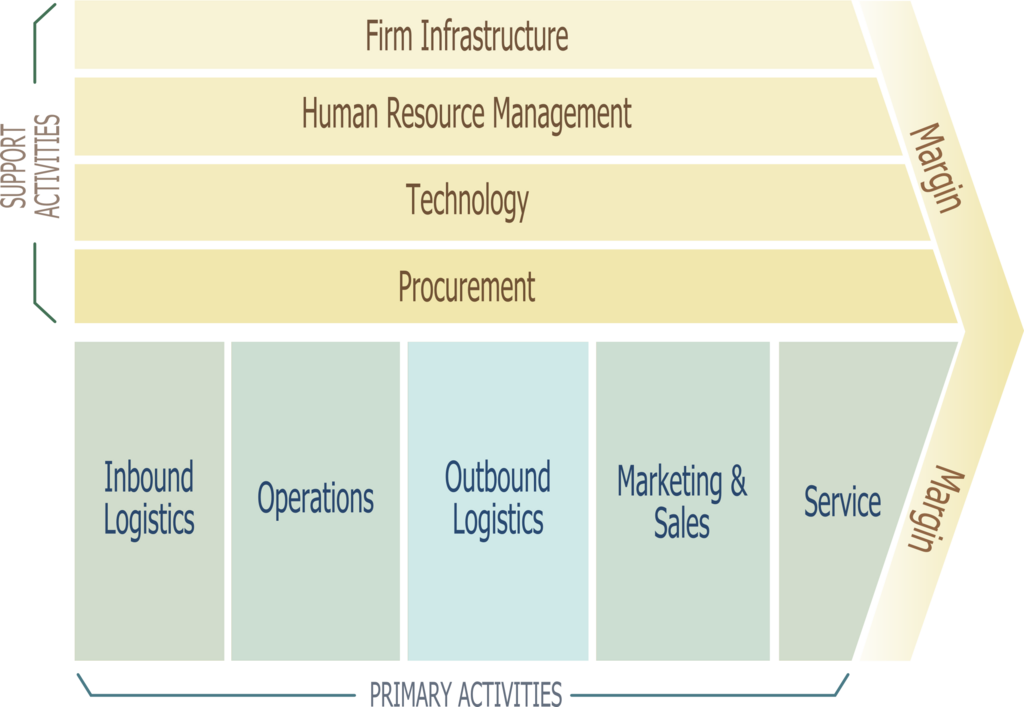
One of the most visible impacts is on cost savings. By negotiating favorable terms and finding efficient suppliers, procurement can significantly reduce expenses, directly boosting profitability. But it's not just about finding the cheapest option. A strategic approach ensures that quality is never sacrificed for price.
Effective procurement also plays a huge role in risk management. By thoroughly vetting suppliers, a company can avoid disruptions, protect its reputation, and ensure a stable supply chain. This means checking a supplier's financial stability, ethical practices, and ability to deliver on their promises.
Finally, a well-run procurement department drives efficiency. It streamlines the process of getting necessary goods and services, freeing up other employees to focus on their core jobs. A standardized and clear process prevents delays, reduces errors, and ensures everyone is on the same page.
For procurement teams to have any impact on these areas, they must first maximise the share of company spend under their control, so they can influence decisions concerning specifications, sourcing and supplier selection.
Time to review what you've just learned.
Let's check your understanding with a few questions.
What is the primary goal of the procurement function in an organization?
Which document formally confirms an order with a vendor, detailing the items, quantities, and agreed-upon prices?
By understanding these fundamentals, you can see how procurement is an essential function that helps an organization achieve its strategic goals.