Process Safety Fundamentals
Introduction to Process Safety
Beyond the Hard Hat
When you think of workplace safety, you might picture someone wearing a hard hat and steel-toed boots. That's part of the story, but it's not the whole picture. That's occupational safety, which focuses on protecting individuals from immediate, personal harm like slips, trips, and falls.
Process safety is different. It’s about preventing large-scale, catastrophic accidents in industrial facilities. Think fires, explosions, or the release of hazardous chemicals. It's a disciplined framework for managing the integrity of operating systems and processes that handle dangerous substances. The goal is to keep the hazardous materials where they belong: inside the pipes, tanks, and reactors.
Process safety isn't about preventing a single worker from getting hurt. It’s about preventing an incident that could harm many people, the environment, and the facility itself.
Lessons Learned the Hard Way
The principles of process safety weren't developed in a classroom. They were written in the aftermath of terrible industrial disasters. Incidents like the 1984 Bhopal gas tragedy in India or the 1988 Piper Alpha oil platform explosion in the North Sea served as brutal wake-up calls. These events showed that small, seemingly minor failures in a complex system could cascade into devastating consequences.
Investigators found common themes in these disasters: poorly managed changes, inadequate equipment maintenance, insufficient training, and a weak safety culture. From these lessons, a more systematic and proactive approach to safety emerged. The focus shifted from reacting to accidents to preventing them from ever happening.
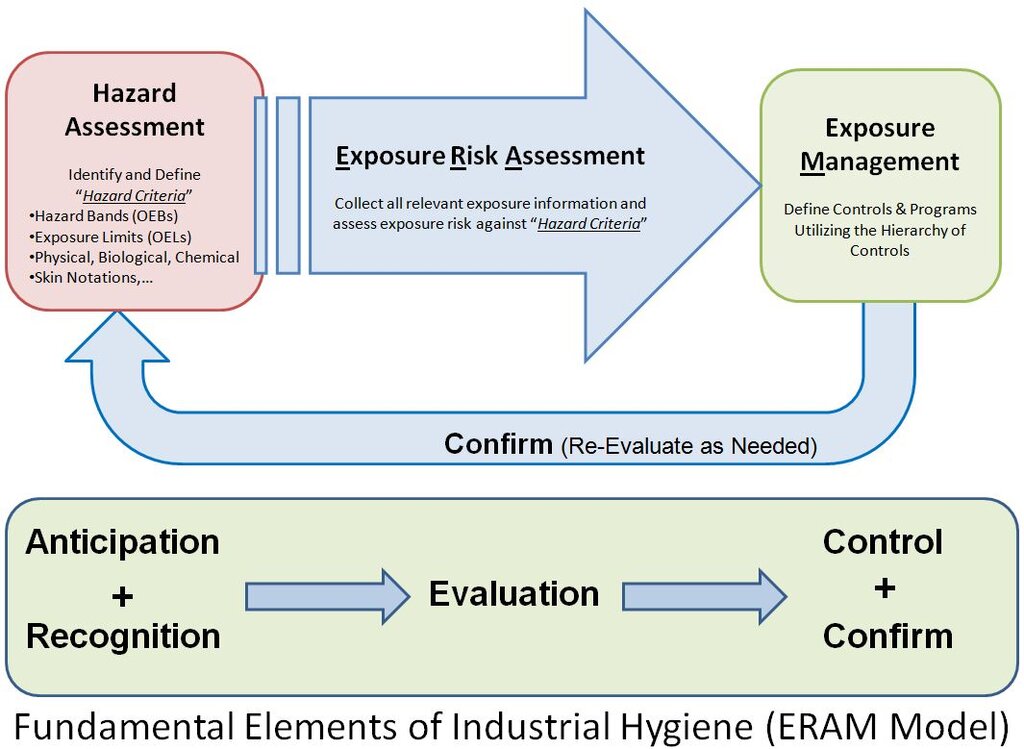
Two Sides of the Same Coin
Understanding the difference between process safety and occupational safety is crucial. Both are essential for a safe workplace, but they address different types of risk.
| Feature | Occupational Safety | Process Safety |
|---|---|---|
| Focus | The individual worker | The integrity of the entire process |
| Hazards | Slips, falls, ergonomics, electrical shock | Toxic releases, fires, explosions |
| Scope | Immediate work area | Entire facility and surrounding community |
| Incidents | High frequency, low consequence | Low frequency, high consequence |
An occupational safety program ensures a worker doesn't trip on a loose cable. A process safety program ensures the plant doesn't explode because a pipeline corroded. You need both to be truly safe.
Building a Culture of Safety
Effective process safety isn't just a set of rules in a binder; it’s a culture. It requires a proactive mindset that starts with understanding what could go wrong and putting barriers in place to prevent it. This is often called Process Safety Management (PSM).
hazard
noun
A potential source of harm or adverse health effect on a person or persons.
Some of the core principles include:
- Understanding Hazards: Systematically identifying and analyzing potential dangers in a process.
- Managing Risk: Implementing and maintaining layers of protection, like safety alarms, shutdown systems, and relief valves.
- Controlling Change: Formally reviewing any modification to equipment, procedures, or materials to ensure it doesn't introduce a new hazard.
- Maintaining Integrity: Ensuring that equipment is properly designed, installed, and maintained to prevent failures.
Ultimately, process safety is about vigilance. It's the shared belief, from the CEO to the newest hire, that accidents are preventable and that safety is everyone's responsibility.
Time to check your understanding of these fundamental concepts.
What is the primary goal of process safety?
Which of the following is an example of an occupational safety measure?