Process Analysis Essentials
Introduction to Process Analysis
What Is Process Analysis?
At its core, process analysis is a systematic way of looking at the steps a business takes to get something done. Think about making a cup of coffee. There's a sequence of actions: get a mug, add coffee grounds, pour hot water, stir. That's a process. Businesses have thousands of processes, from hiring an employee to launching a new product. Process analysis is simply the act of breaking down these workflows to understand them deeply.
Process
noun
A series of actions or steps taken in order to achieve a particular end.
By mapping out each step, we can see the full picture. We can ask questions like: Where are the delays? Where are we wasting resources? Is there a better way to do this? It's about turning a spotlight on how work actually happens, not just how we think it happens.
Process analysis moves you from guessing what’s wrong to knowing what to improve.
Why Bother With Analysis?
Understanding a process is the first step toward improving it. Without analysis, teams often work with inefficient or outdated methods simply because "that's how it's always been done." This leads to hidden costs, frustrated employees, and unhappy customers.
The main goals of process analysis are straightforward. First, to boost efficiency. By finding and removing unnecessary steps or bottlenecks, work can flow faster and more smoothly. Second, to reduce costs. Wasted time, materials, or effort are all forms of wasted money. Streamlining a process directly impacts the bottom line.
Finally, the aim is to improve quality. A well-designed process has fewer errors and produces a more consistent, reliable result, whether that's a physical product or a customer service experience.
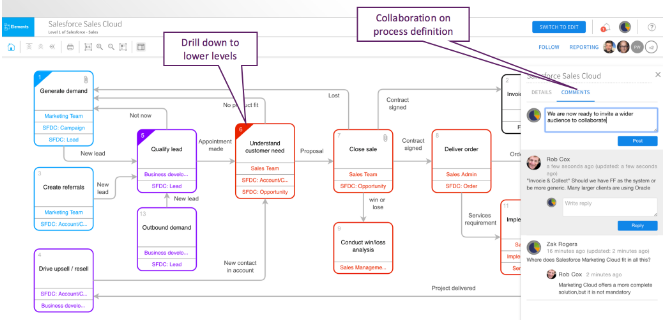
By looking at a visual map of a process, teams can easily spot redundancies or confusing pathways that might not be obvious from just talking about the work. It provides a common ground for discussion and a clear path toward making things better.
A Cycle of Improvement
Process analysis isn't a one-time fix. It’s a key part of a larger philosophy known as continuous improvement. The idea is that organizations should always be looking for ways to get better, even in small increments. A process that works well today might be inefficient tomorrow as technology, customer expectations, and business goals change.
This creates a cycle: you analyze a process, implement an improvement, observe the results, and then start the analysis all over again. This ensures that the organization stays agile and effective over the long term, constantly adapting its workflows to meet new challenges.
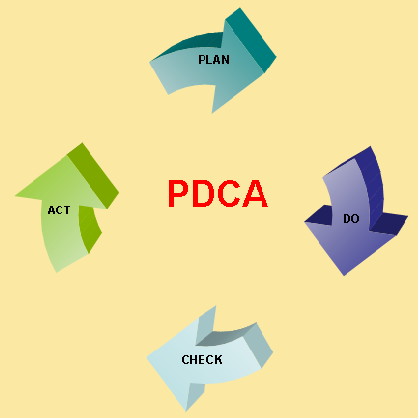
This ongoing loop helps align the company's day-to-day operations with its big-picture strategic goals. When every small process is as efficient and effective as possible, the entire organization becomes stronger.
The idea behind Business Process Management is to create a life cycle of continuous improvement.
Now, let's check your understanding of these core concepts.
What is the core activity of process analysis?
Which of the following is NOT a primary goal of process analysis?
By systematically reviewing how work gets done, any organization can find opportunities to operate more smoothly, save resources, and deliver better outcomes.