Problem Solving Skills for Children
Introduction to Problem-Solving
What is Problem-Solving?
At its heart, problem-solving is the process of figuring things out. For children, it’s not about complex equations or business strategies. It’s about navigating their world, which is full of small, everyday challenges. When a toddler figures out how to stack blocks so they don't fall, or when a preschooler negotiates who gets the red crayon first, they are solving problems.
It’s a fundamental skill that involves observing a situation, identifying a goal, and trying different ways to reach that goal. This process is natural and starts from a very young age. Every time a child encounters a challenge and works to overcome it, they are building a crucial foundation for learning and life.
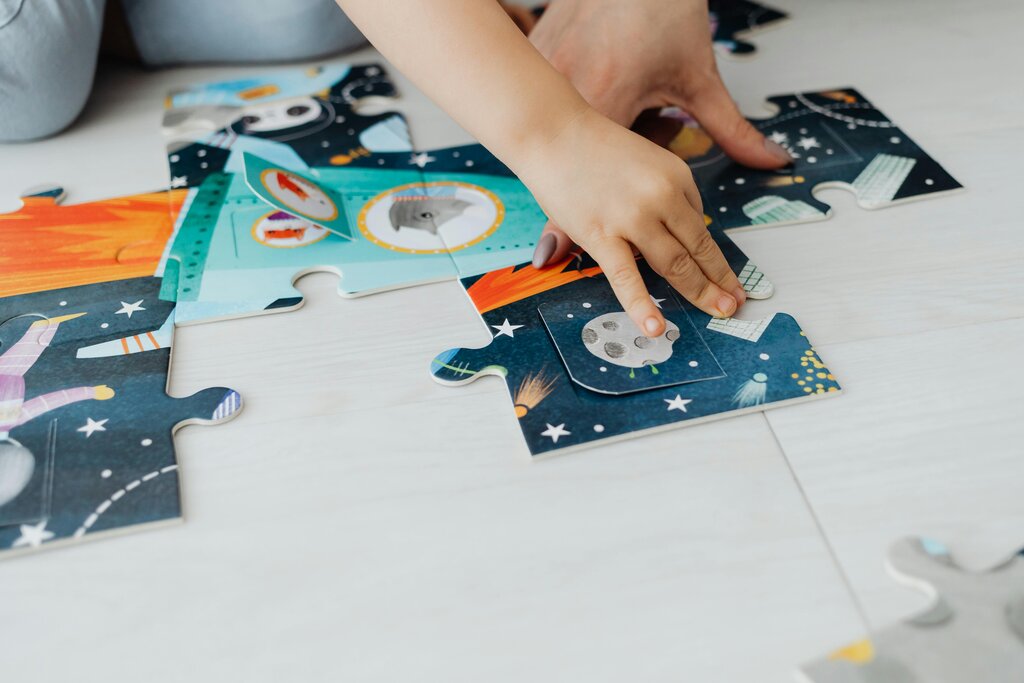
Think of it as mental exploration. Instead of being given a map, the child is encouraged to draw their own. This exploration builds vital connections in the brain and shapes how they approach new situations.
Why It Matters
Developing problem-solving skills is about more than just finding the right answer. It’s a cornerstone of cognitive, social, and emotional growth. When children practice solving problems, they’re also building other essential abilities.
Cognitively, it sharpens their critical thinking. They learn to analyze situations, make connections, and think creatively. Socially, many problems involve other people. Working through a disagreement over a toy teaches negotiation, communication, and empathy as they learn to see another person's point of view.
Most importantly, overcoming challenges builds resilience. It teaches children that it's okay to try and fail, and that persistence leads to success. This fosters a sense of competence and independence.
The Role of Adults
Caregivers and educators play a huge part in this journey, but not as answer-givers. The goal is to be a guide, not a hero who swoops in to fix everything. When a child is struggling, the instinct is often to solve the problem for them. A more helpful approach is to provide support that encourages their own thinking.
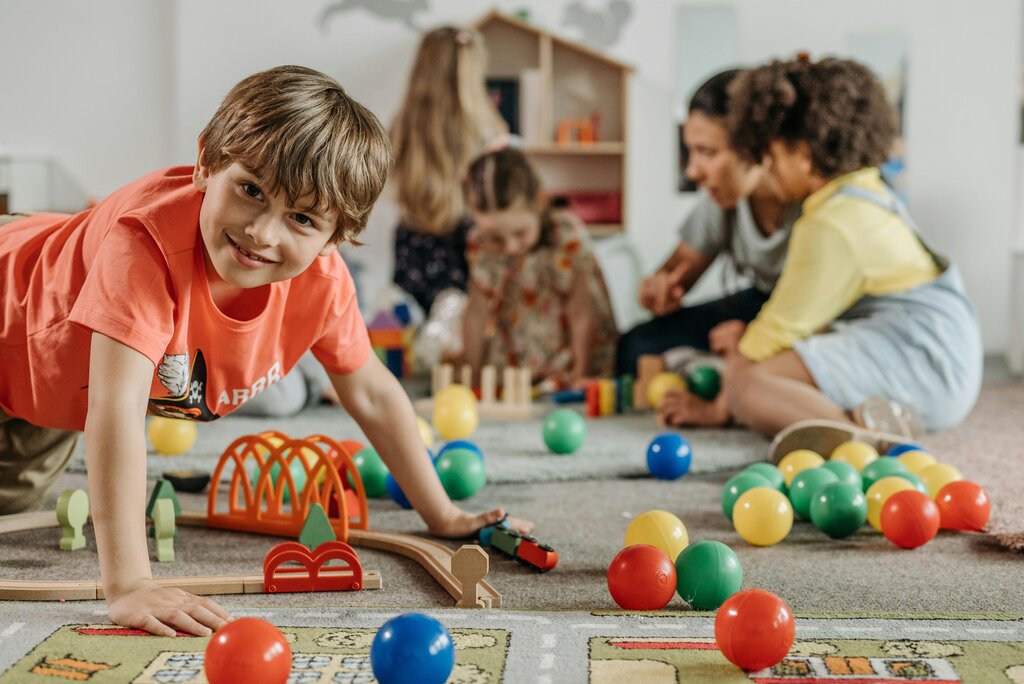
This can be as simple as asking gentle questions. If a child is frustrated that their block tower keeps falling, you might ask, "What do you think is making it wobble?" or "What could we try differently?" This nudges them to observe and analyze the situation themselves.
Offer Guidance, Not Answers: Help your child understand the instructions and provide guidance, but encourage them to think through problems on their own.
Creating a safe environment where trying and failing is seen as a normal part of learning is key. By fostering this mindset early on, you empower children to become confident, capable, and resilient thinkers who aren't afraid of a challenge.