Problem Solving in Tech Companies
Problem-Solving Fundamentals
The Problem with Problems
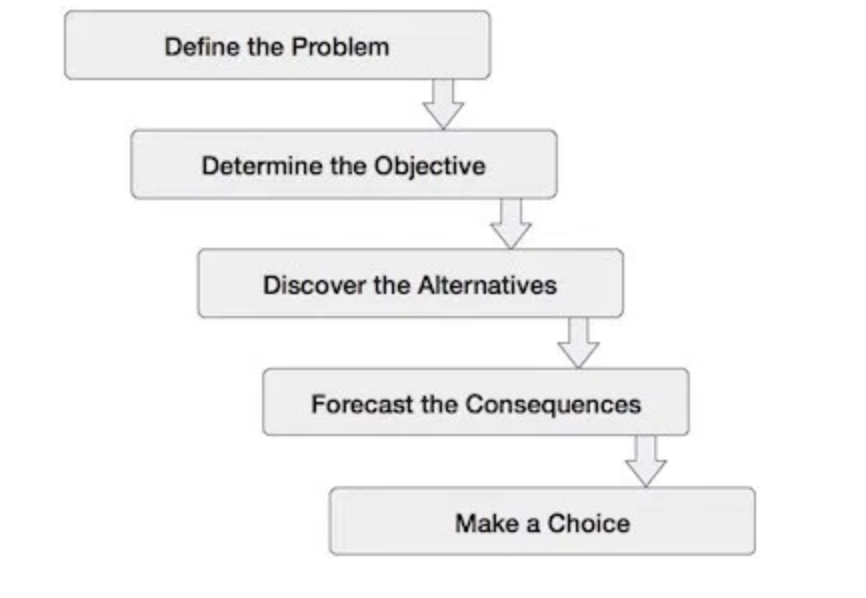
Problems pop up everywhere, from a morning coffee spill to a critical server outage. Our first instinct is often to jump in and fix the immediate issue. The coffee gets wiped up, the server gets rebooted. But this approach often just treats the symptom, not the underlying cause. A truly effective solution requires a more structured approach.
A systematic problem-solving process forces us to slow down and think. It provides a reliable framework to identify the real issue, analyze it from different angles, and implement a lasting solution. Think of it like being a detective. You wouldn't just arrest the first person you see at a crime scene. You'd gather evidence, analyze clues, and build a case to find the real culprit. This methodical approach saves time and prevents the same problem from happening again.
Digging for the Root Cause
One of the simplest yet most powerful techniques for finding the root of a problem is called the 'Five Whys.' The idea was developed by Sakichi Toyoda, the founder of Toyota Industries, and it's exactly what it sounds like. You state the problem and then ask "why" five times, with each answer forming the basis for the next question.
This process pushes you past the obvious, surface-level symptoms. The first few 'whys' usually uncover the immediate causes, but by the time you get to the fourth or fifth, you're much closer to the fundamental issue that needs to be addressed.
Let's say a website's homepage is loading slowly.
- Why is it slow? Because the main image is too large.
- Why is the image so large? Because it was uploaded without being optimized.
- Why wasn't it optimized? The content manager wasn't trained on the optimization process.
- Why weren't they trained? The training documentation is outdated.
- Why is the documentation outdated? There's no process for regularly reviewing and updating it.
The root cause isn't a big image; it's a broken internal process.
Write It Down
Solving a problem is only half the battle. If you don't document your solution, you or your team might have to solve it all over again in the future. Clear, concise technical documentation is a crucial part of the problem-solving process.
Good documentation creates a knowledge base. It allows anyone on your team to understand the problem, the steps taken to diagnose it, and the reasoning behind the final solution. It shouldn't be an essay. It just needs to be clear enough for someone else (or your future self) to follow along.
A useful document captures the essentials:
- Problem: What were the symptoms? What was the impact?
- Analysis: What was the root cause (thanks, Five Whys!) and how was it discovered?
- Solution: What specific steps were taken to fix the issue?
- Prevention: How can we stop this from happening again?
This habit of documenting turns individual fixes into collective wisdom, making your entire team more effective over time.
Why is a systematic problem-solving process often more effective than immediately fixing a visible issue?
What is the primary goal of using the 'Five Whys' technique?