Pro Kitchen Cleanup After Dinner
Clearing and Organizing
The Aftermath
The meal is over, and the kitchen looks like a disaster zone. It's tempting to leave the cleanup for later, but tackling it right away is one of the best habits you can develop. A clean kitchen is not just about appearances; it's about hygiene and efficiency.
Leaving food and dirty dishes out is an open invitation for pests. Even small crumbs and spills can attract ants, roaches, and other unwanted guests overnight. Clearing the counters and washing dishes promptly keeps your space sanitary and ready for the next meal.
Handling Food First
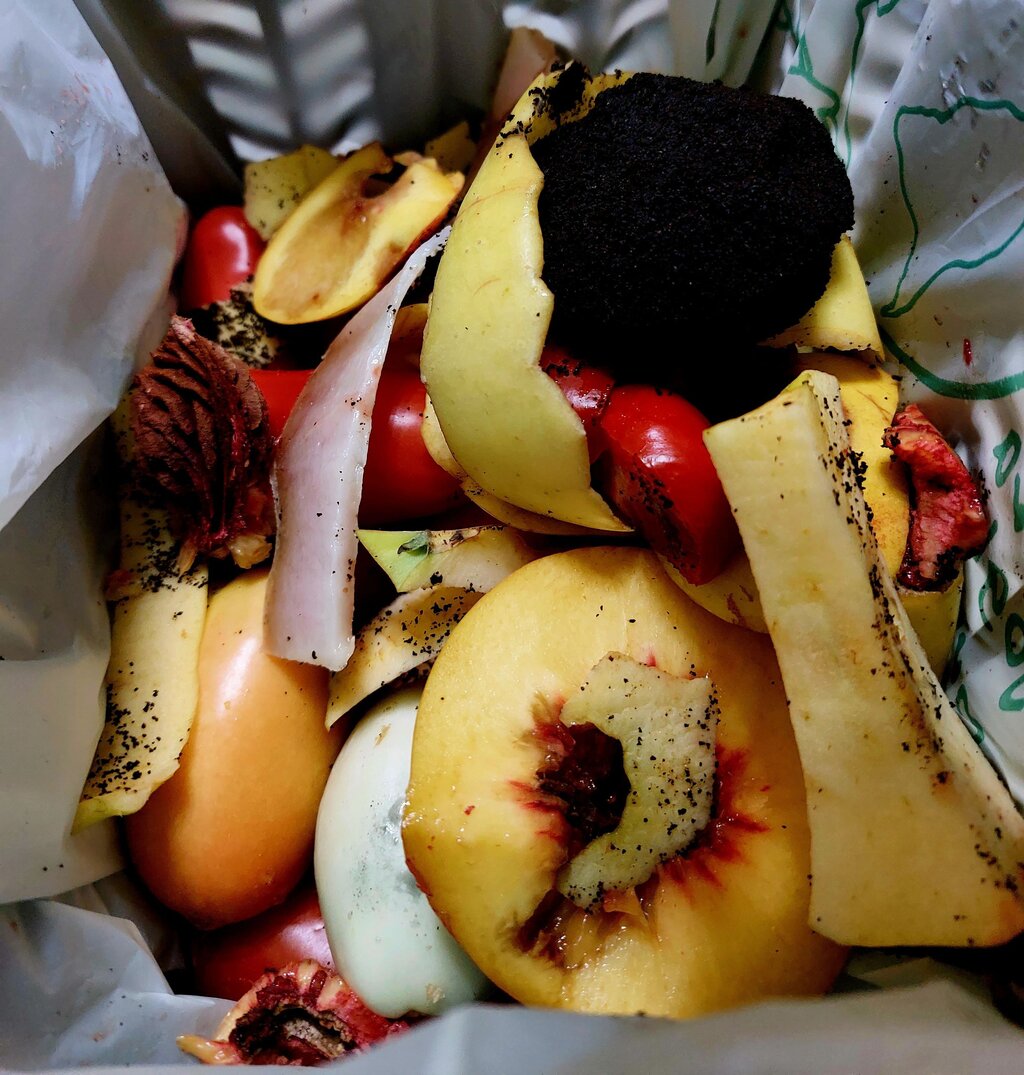
Before you touch a single dish, deal with the food. Scrape any leftover scraps from plates and cookware. Decide what's trash and what can be composted. Things like vegetable peels, coffee grounds, and eggshells can enrich garden soil instead of sitting in a landfill.
For the food you want to save, choose the right storage. Use airtight containers to keep leftovers fresh and prevent odors from mingling in your refrigerator. It’s a good habit to label containers with the contents and the date, so you know what you have and when you should use it by. Store items logically: leftovers in the fridge, dry goods like pasta or beans in the pantry, and items for long-term storage in the freezer.
A Place for Everything
Once the food is put away, it’s time to organize the tools. A well-organized kitchen follows a logical workflow. Think about your kitchen in terms of zones based on activity: prepping, cooking, and storing.
Group similar items together where you use them most. Keep your knives, cutting boards, and mixing bowls in your prep zone. Store pots, pans, and cooking utensils like spatulas and whisks near the stove. Plates, bowls, and silverware should be stored near the dishwasher or drying rack to make unloading them a simple task.
This system makes everything predictable. When you know where an item lives, you can grab it without thinking and put it back just as easily. This habit alone can dramatically cut down on clutter and save you time.
Store items where you first use them. This simple rule prevents you from walking back and forth across the kitchen for a single tool.
The French culinary phrase mise en place means "everything in its place." While it usually refers to prepping ingredients before cooking, the philosophy applies perfectly to kitchen organization. An organized space is a calm and efficient space.
Ready to test your knowledge on keeping the kitchen tidy and efficient?
What is the primary hygiene-related reason to clean up food and dirty dishes immediately after a meal?
According to the text, what is a recommended way to handle leftover food scraps like vegetable peels and coffee grounds?
By consistently clearing and organizing after each meal, you create a more functional and pleasant kitchen. It’s a small effort that pays off every time you step in to cook.