Pro Coding Techniques
Introduction to Professional Coding
Code Is for Humans, Too
It’s easy to think that the code you write is just a set of instructions for a computer. But that's only half the story. The other, arguably more important, audience for your code is people. This includes your teammates, your collaborators, and even your future self who might look back at your work months from now.
Imagine trying to assemble furniture with instructions that are smudged, use confusing diagrams, and label parts with random letters. It would be a nightmare. Writing unclear code creates the same problem. Code that’s hard to read is hard to debug, difficult to update, and nearly impossible for others to build upon. Clean, readable code, on the other hand, communicates its purpose clearly.
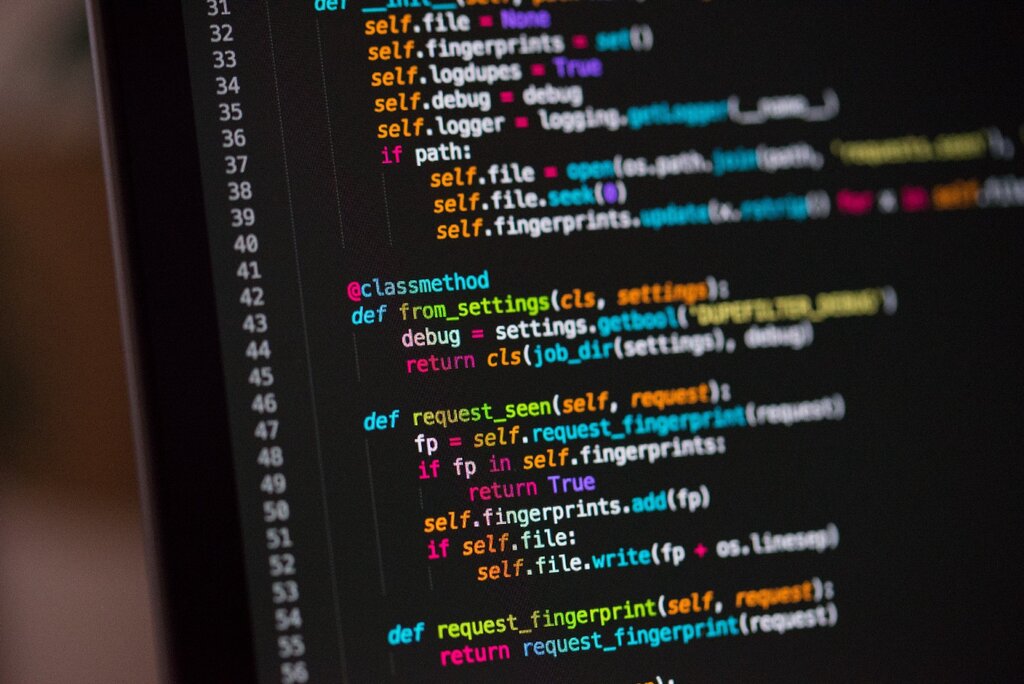
When your code is readable, anyone can quickly grasp what it's trying to do. This saves time and prevents headaches. Writing for clarity isn't a fancy extra, it's a fundamental part of being a professional developer.
The Rules of the Road
Just like traffic laws prevent chaos on the streets, coding standards bring order to software projects. These standards are a set of guidelines for a specific programming language, covering everything from how to indent your code to where to place your comments. They create a consistent look and feel, no matter who on the team wrote a particular piece.
Why does this matter? Consistency makes code maintainable. When a project follows a shared standard, developers can switch between different parts of the code without getting lost. They don't have to waste mental energy figuring out the style; they can focus on the logic. This makes it much easier to fix bugs or add new features down the line.
Most programming languages have a well-established style guide that developers follow. For example, Python programmers often adhere to a guide called PEP 8. Following these standards is a hallmark of professionalism.
Maintaining a balance between AI-generated convenience and the necessity of coding fundamentals is essential for success in the evolving landscape of software development.
What's in a Name?
One of the most important parts of writing readable code is choosing good names for things like variables, functions, and classes. A name should clearly describe what it represents. A variable named u doesn't tell you much, but one named active_user_count is instantly understandable.
Good naming conventions act as a form of documentation. They tell the story of your code. When you choose clear, descriptive names, you reduce the need for extra comments explaining what the code does, because the code explains itself.
Bad naming:
const d = 30;Good naming:const days_in_month = 30;
Different languages and teams might use different styles, like camelCase (e.g., userName) or snake_case (e.g., user_name). Neither is inherently better, but the key is to be consistent. Pick one style and stick with it throughout your project. This simple discipline makes a huge difference in the quality and maintainability of your work.
/* Bad naming makes this hard to understand */
function proc(arr) {
  let t = 0;
  for (let i = 0; i < arr.length; i++) {
    t += arr[i];
  }
  return t;
}

/* Good naming makes the purpose clear */
function calculate_sum(numbers) {
  let total = 0;
  for (let i = 0; i < numbers.length; i++) {
    total += numbers[i];
  }
  return total;
}
Let's check your understanding of these core principles.
Besides the computer, who is the other, equally important audience for your code?
What is the main benefit of adhering to a coding style guide, like PEP 8 for Python?
These ideas—readability, standards, and naming—are the foundation of professional coding. They aren't just suggestions; they are practices that separate amateur code from professional, high-quality software.