Privilege Access Management Explained
Introduction to Privileged Access
What Is Privileged Access?
Think about the keys to your home. You have a key that opens your front door. A building manager, however, has a master key that can open every door in the building. That master key grants special, or privileged, access. In the digital world, some user accounts are just like that master key.
Privileged access gives a user the authority to manage and make changes to a company’s critical systems, like its applications, databases, and servers.
Regular user accounts have limited permissions. They can create documents or send emails, but they can't install new software across the company or change fundamental system settings. Privileged accounts can. They are used by IT staff, developers, and even automated systems to keep everything running smoothly.
The Keys to the Kingdom
Not all privileged accounts are the same, but they all hold significant power. They are often called "superuser," "root," or "administrator" accounts. These accounts are the digital equivalent of having the keys to the entire kingdom.
Their responsibilities include:
- Installing and configuring software: Setting up the tools everyone in the organization uses.
- Managing user accounts: Creating, modifying, or deleting other user accounts.
- Accessing sensitive data: Viewing confidential information like employee records or customer data.
- Changing system settings: Altering the core configuration of networks and servers.
| Account Type | Common Name | Typical Use |
|---|---|---|
| Superuser | root (Linux/Unix), Administrator (Windows) | Complete control over a system. |
| Domain Admin | Domain Admin | Manages all systems within a network domain. |
| Application Admin | AppAdmin | Controls a specific application, like a database. |
| Service Account | (Varies) | Used by applications to run automated tasks. |
Because these accounts are so powerful, they are a primary target for attackers. Gaining control of just one privileged account can give a hacker sweeping access to an organization's most valuable assets.
When Access Is Misused
If privileged access isn't carefully managed, the consequences can be severe. A compromised administrator account can lead to massive data breaches, system-wide shutdowns, and devastating financial loss. The threat isn't just external; a disgruntled employee with privileged access could intentionally cause damage, or a well-meaning administrator could make an accidental mistake that brings down a critical system.
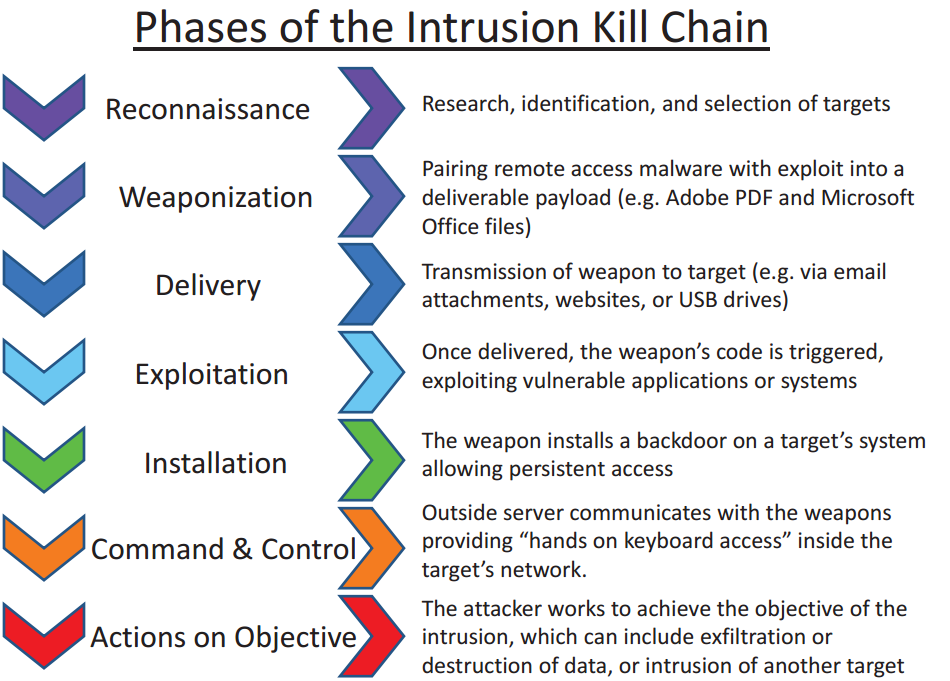
A famous example is the 2013 Target data breach, where hackers stole data from 40 million credit and debit cards. The attack started by compromising the credentials of a third-party heating and air conditioning vendor. While this initial account had limited access, the attackers used it as a foothold to move through the network, eventually gaining privileged access to systems that handled payment data.
This incident highlights a crucial point: even seemingly low-level access can be a stepping stone for attackers to escalate their privileges and gain control over critical systems. Without proper management, privileged accounts become a major security risk.
In the context of digital security, what is the best analogy for a privileged account?
Which of the following actions would most likely require a privileged account?