Private Internet Browsing with VPNs
Understanding VPNs
What is a VPN?
A Virtual Private Network, or VPN, is a service that secures your internet connection and protects your online privacy. Think of it as a private, encrypted tunnel for your data.
Normally, when you visit a website, your device connects directly through your Internet Service Provider (ISP). Your ISP can see every site you visit. If you're on a public Wi-Fi network, like at a coffee shop, your activity could also be visible to others on that network. A VPN creates a secure link between your device and the internet, shielding your actions from prying eyes.
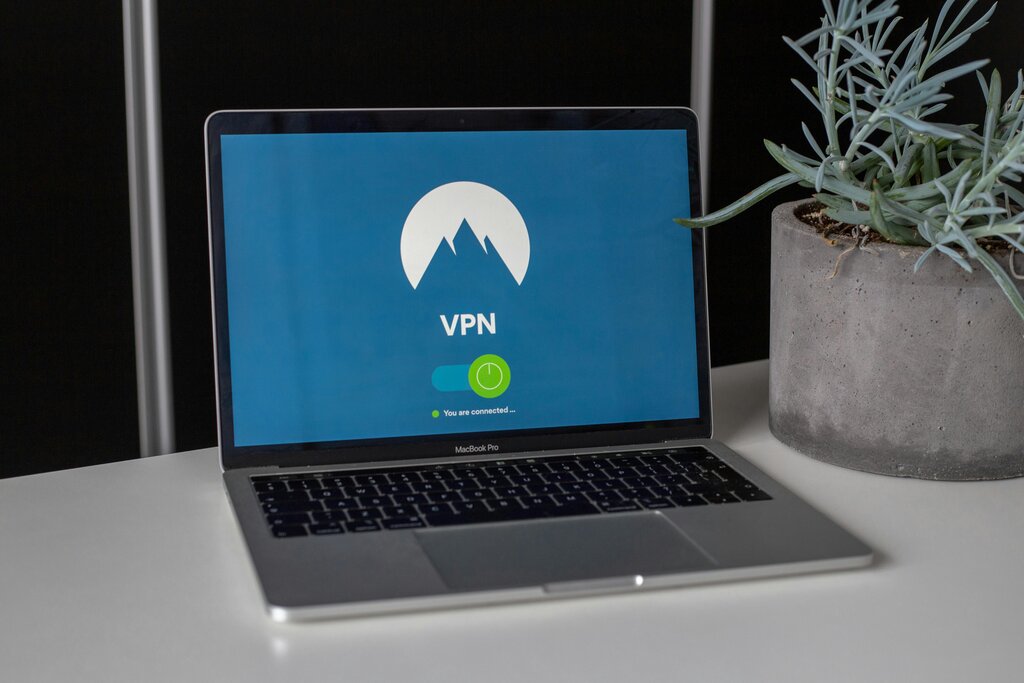
How It All Works
VPNs accomplish this through two key processes: encryption and IP masking.
First, encryption scrambles your data into an unreadable code before it even leaves your device. Imagine writing a postcard in a secret language that only you and the recipient understand. Even if someone intercepts the postcard, the message is meaningless to them. That's what a VPN does for your internet traffic. It ensures that your ISP, network administrators, or potential hackers can't decipher your online activity.
Second, a VPN masks your IP address. An IP address is a unique identifier that reveals your general location, much like a return address on an envelope. When you connect to a VPN, you're routing your traffic through one of the VPN provider's servers. The website you visit sees the IP address of that server, not your own. If you connect to a server in another country, it will appear as if you're browsing from that location.
Why Use a VPN?
The benefits of a VPN extend beyond just privacy. They are practical tools for everyday internet use.
Enhanced Security: Public Wi-Fi is notoriously insecure. A VPN encrypts your connection, protecting your passwords, bank details, and other sensitive information from being stolen by others on the same network.
By connecting to a VPN before accessing public Wi-Fi, you can encrypt your internet traffic and create a secure tunnel that protects sensitive information from potential cyber-attacks.
Greater Privacy: Without a VPN, your ISP can track your browsing history. While they often collect this data for advertising purposes, it creates a detailed record of your online life. A VPN prevents your ISP from seeing which websites you visit.
Access Content Anywhere: Many streaming services and websites restrict content based on your geographic location. By connecting to a VPN server in a different country, you can access libraries of shows, movies, or news sites that would otherwise be unavailable.
Different Kinds of VPNs
Not all VPNs are the same. They generally fall into two main categories.
Personal VPNs are the services you see advertised to the public. You pay a subscription fee to a company that maintains a network of servers around the world. These are designed for individual users to enhance their privacy and bypass geo-restrictions.
Corporate VPNs, also known as remote-access VPNs, are used by businesses. They allow employees to securely connect to their company's internal network from anywhere, as if they were physically in the office. This is crucial for accessing sensitive files and internal systems while working remotely.
Ready to check your understanding?
What are the two key processes a VPN uses to protect your online activity?
You're at a coffee shop and need to check your bank account. What is the main benefit of using a VPN in this situation?
Understanding how VPNs work is the first step toward smarter, safer browsing. They provide a simple way to add a powerful layer of privacy and security to your online life.