Private Equity Essentials
Introduction to Private Equity
What Is Private Equity?
At its core, private equity is about investing in companies that are not traded on a public stock exchange like the New York Stock Exchange or Nasdaq. Instead of buying shares available to anyone, private equity firms buy entire companies or significant stakes in them directly.
Private equity refers to investments in privately held companies — those not listed on public stock exchanges.
Think of it as the difference between buying a few bricks and buying the whole building. Public market investors buy the bricks (shares), while private equity firms aim to buy the building itself, often with the goal of renovating it to increase its value.
The Key Players
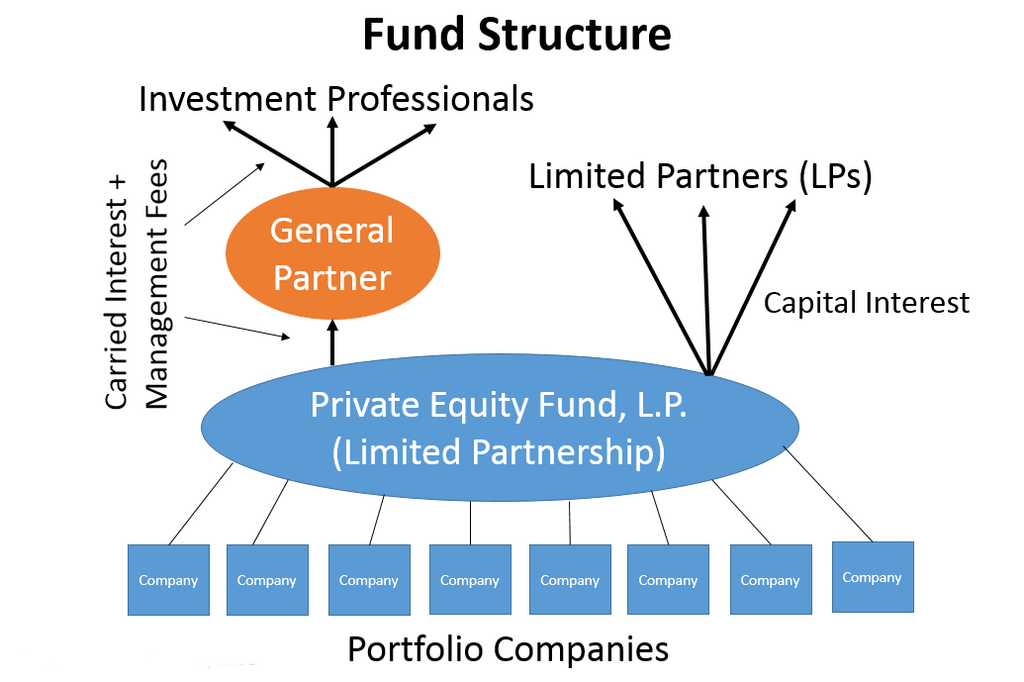
The private equity world revolves around two main groups: General Partners and Limited Partners.
General Partners (GPs) are the private equity professionals. They run the firm, find investment opportunities, manage the companies they buy, and ultimately decide when to sell. They are the hands-on managers responsible for making the investment succeed.
Limited Partners (LPs) are the investors who provide the money. LPs are typically large institutions like pension funds, university endowments, insurance companies, and wealthy individuals. They commit capital to a fund managed by the GP, but they don't get involved in the day-to-day decisions. They are passive investors who trust the GP to generate strong returns.
The Role of Private Equity
Private equity's role goes far beyond just providing money. After acquiring a company, a PE firm gets actively involved in its operations. The goal is to make the company more efficient, profitable, and valuable over a period of several years. This is a key difference from most public market investing, which is often more passive.
PE firms often bring in new management, streamline operations, cut unnecessary costs, and push for growth into new markets. They are active owners, not just shareholders.
Historically, the concept of buying companies to improve and sell them has been around for decades. The modern private equity industry began to take shape in the United States after World War II and has since grown into a massive force in global finance, influencing nearly every sector of the economy.
How a Firm Operates
The business model for a private equity firm is straightforward. First, the GPs raise a fund by getting capital commitments from LPs. This process can take a year or more.
Once the fund is raised, the team starts hunting for companies to buy. This is called deal sourcing. When they find a promising target, they conduct intensive research, a process known as due diligence, to ensure it's a good investment.
After buying a company, the real work begins. The firm works with the company's management for several years to improve its performance. Finally, after a typical holding period of 3-7 years, the PE firm will look to exit the investment by selling the company, often to another company, another PE firm, or through an Initial Public Offering (IPO).
Let's check your understanding of these core concepts.
What is the primary characteristic of a company that a private equity firm invests in?
In a private equity fund, the __________ are the hands-on managers who find and operate the companies, while the __________ provide the capital and are passive investors.
This foundational knowledge sets the stage for understanding how private equity firms create value and structure their deals.