Privacy-First Digital Identity
Understanding Digital Identity
Who Are You Online?
Every time you log in, post a photo, or even just browse a website, you're shaping your digital identity. Think of it as your online self, a collection of data points that, when pieced together, create a picture of who you are. This isn't just one account or profile; it's the sum of all your interactions and the information you leave behind across the internet.
Digital Identity
noun
The body of information about an individual, organization, or electronic device that exists online.
This identity is built from many different pieces, some that you control and some that you don't.
The Pieces of You
Your digital identity is made up of various components. Some are obvious, created by you intentionally. These are things like your usernames, passwords, email addresses, and the details you fill out on your social media profiles—your name, birthday, and photos.
Then there's the information you create more passively. This includes the comments you leave on articles, the websites you visit, your search history, and online purchase records. Every click contributes to this digital trail.
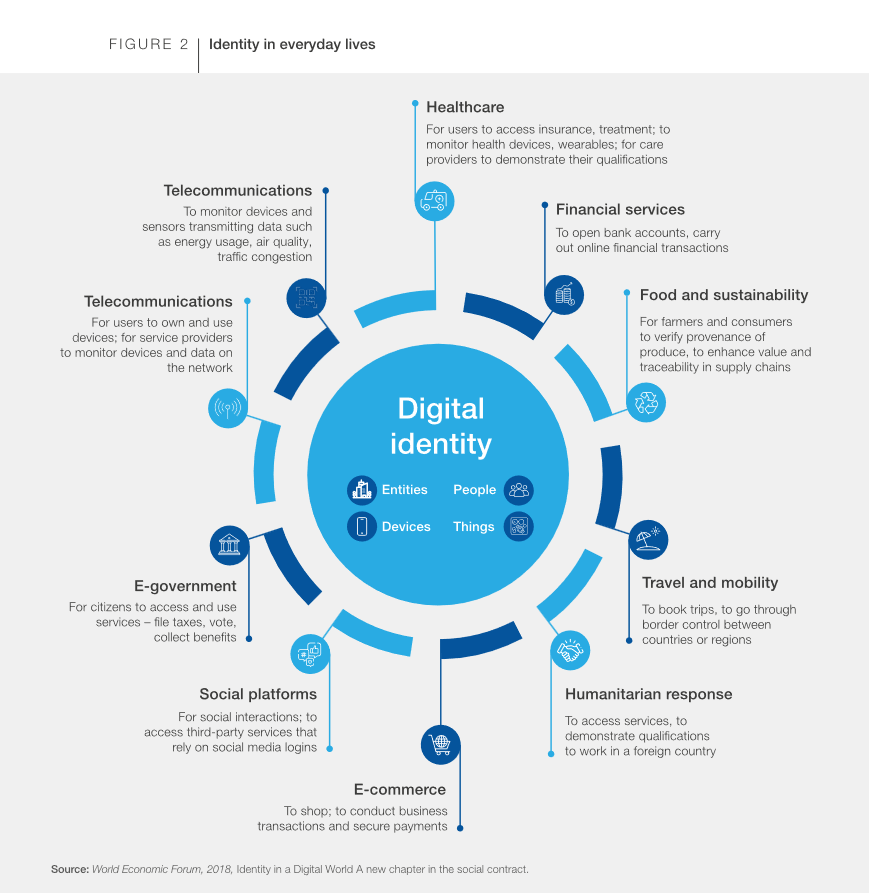
Finally, there’s data collected by websites and apps in the background. This can include your location, the type of device you're using, and how long you spend on a page. All these pieces, big and small, form your comprehensive digital identity.
Digital Risks
Because this information is so personal and comprehensive, it's also valuable—and therefore vulnerable. The risks associated with your digital identity are real and can have serious consequences.
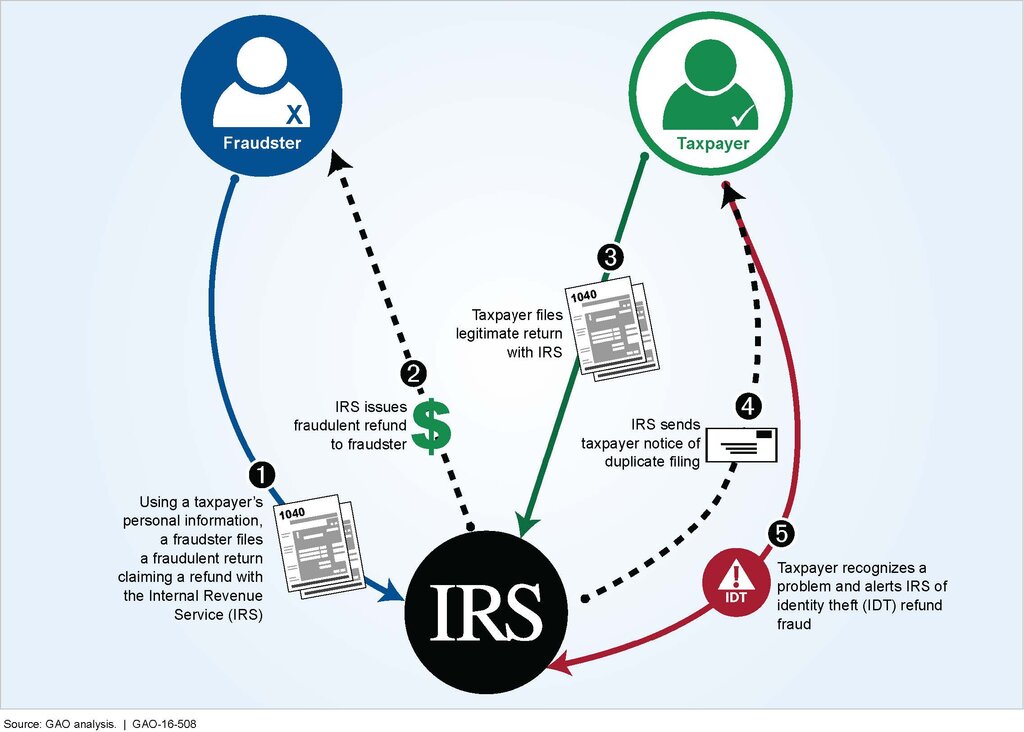
The most significant risk is identity theft. This happens when a criminal gains access to enough of your personal information to impersonate you. They might open credit cards, take out loans, or file tax returns in your name, leaving you to deal with the financial and legal fallout.
Another major risk is unauthorized data access. Data breaches, where hackers steal user data from a company's database, are increasingly common. This can expose sensitive information like passwords, credit card numbers, and personal messages to the public or sell it on the dark web.
Even without a malicious attack, your digital identity can impact your real life. Employers often check social media profiles of potential candidates. A post you made years ago could affect your chances of landing a job. Your online reputation is an extension of your real-world one.
Managing Your Digital Self
Protecting your digital identity isn't about hiding from the internet. It's about being smart and proactive. Managing your online presence is a crucial skill in the modern world.
When you know the boundaries of your digital footprint, and take steps to control it, you can protect your identity and your reputation.
Start with the basics. Use strong, unique passwords for each of your accounts. A password manager can help you keep track of them. Be mindful of what you share publicly. Think before you post personal details, photos, or strong opinions that could be taken out of context.
It's also important to regularly review the privacy settings on your accounts. Social media platforms and other services often update their settings, so take a few minutes every few months to ensure you're only sharing what you're comfortable with. By taking these simple steps, you can take control of your digital identity and navigate the online world more safely.
Which of the following best describes a "digital identity"?
Which of these is NOT considered a component of your digital identity?