Privacy-First Digital Identity on Social Media
Understanding Digital Identity
What Is a Digital Identity?
Your identity isn't just your name and what you look like. It's also the collection of data that represents you online. This is your digital identity. It’s formed by every action you take on the internet, from creating a social media profile to simply browsing a website.
Your digital footprint is the trail of data you leave across the internet—from social posts and search queries to purchase histories and passive tracking by websites and apps.
Think of it like a shadow that follows you everywhere you go online. Some parts of this shadow you create yourself, like posting a photo or updating your status. Other parts are created for you, often without you even realizing it.
The Pieces of the Puzzle
Your digital identity is made of many different pieces of information. Some you share intentionally, while others are collected automatically as you use the internet. It's helpful to split these into two categories: active and passive data.
The first place to start is by recognizing the two types of digital footprints—active, where information is deliberately shared, and passive, collected without one’s direct knowledge (which is most of it).
Active data is what you knowingly share. This includes things like:
- Your name, age, and email address when you sign up for a service.
- Photos and videos you post on social media.
- Comments you leave on articles or forums.
Passive data is collected in the background. Websites and apps gather this information to learn more about their users. It includes details such as:
- Your IP address, which reveals your general location.
- The type of device and web browser you're using.
- Your browsing history and how you interact with a site, tracked by cookies.
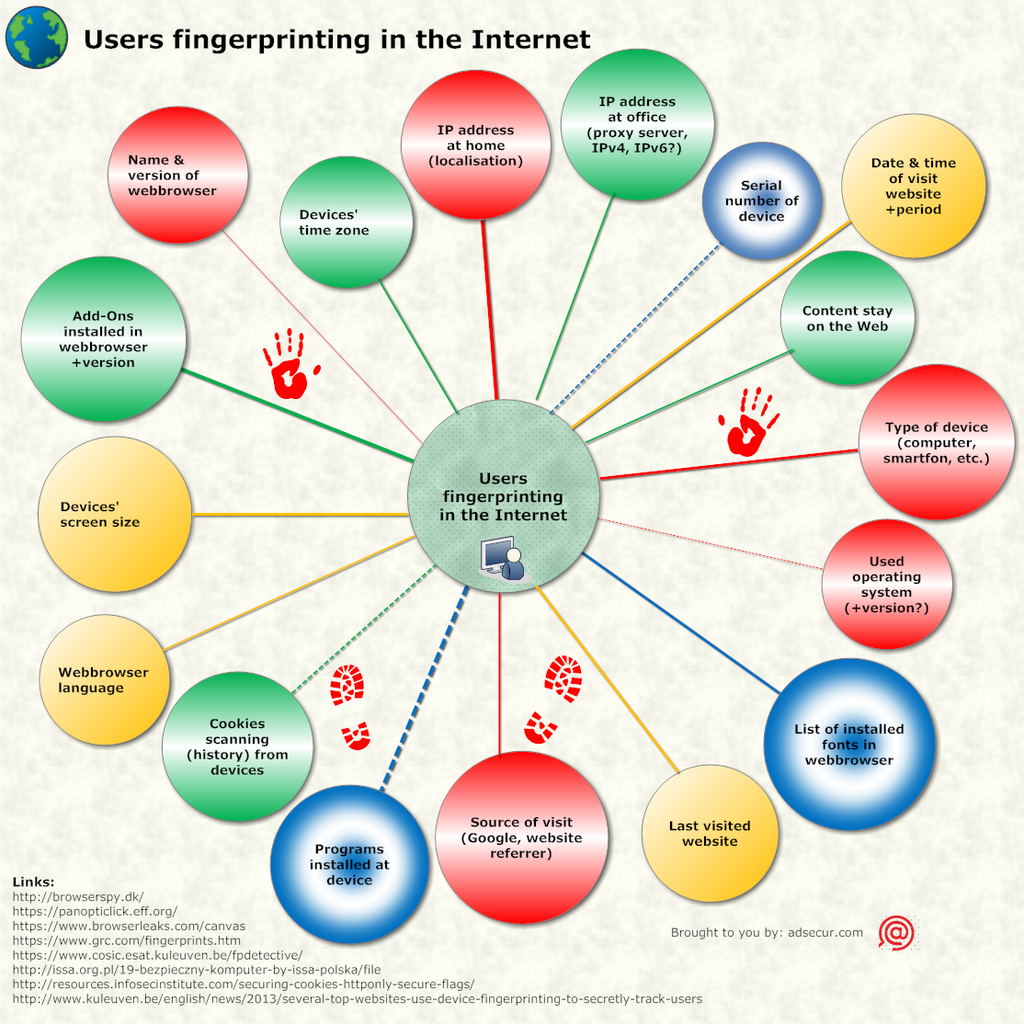
Together, these active and passive data points build a detailed picture of who you are, what you like, and how you behave online.
The Risks of an Unmanaged Identity
When your personal information is scattered across the internet, it can be misused. The most well-known risk is identity theft, where someone uses your information to commit fraud.
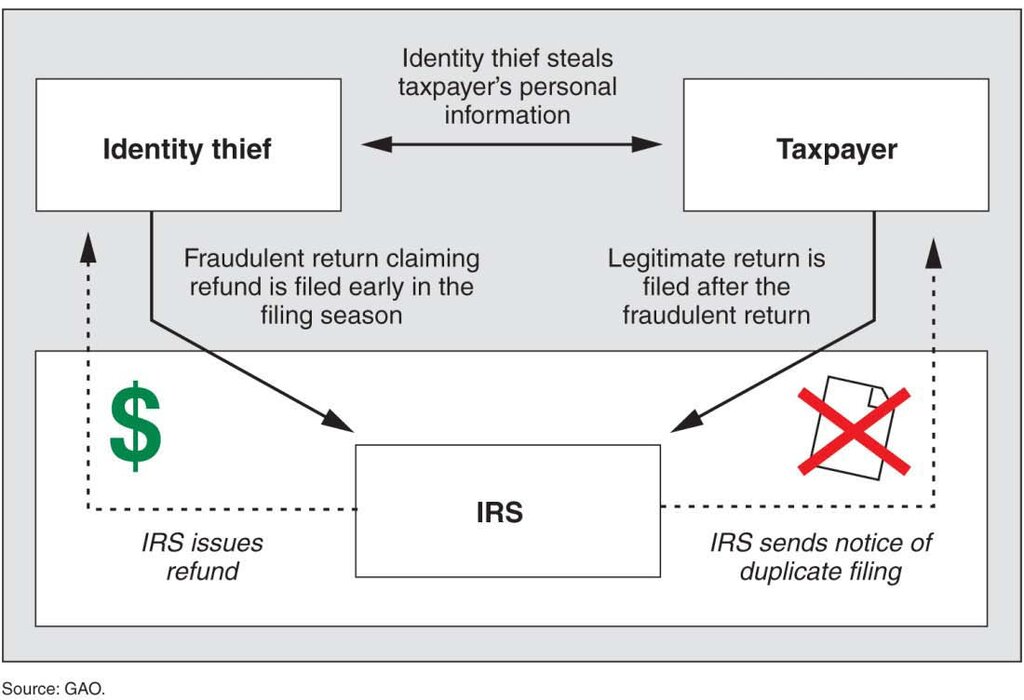
But there are other dangers. Your data can be sold to advertisers who want to target you with specific messages, or it could be used to influence your opinions. In some cases, a poorly managed digital identity can even affect your real-world opportunities. Employers often check social media profiles, and what they find can impact their hiring decisions.
Every piece of information you share online adds to a permanent record. Once it's out there, it can be very difficult to take back.
Unauthorized access to your accounts is another major concern. A weak password on one site can give a hacker access to your email, and from there, they can reset passwords for your banking, social media, and other sensitive accounts.
Taking Control
Managing your digital identity is about being mindful of the information you share and taking steps to protect it. It doesn't mean you have to stop using the internet, but it does mean using it more wisely.
Start with the basics:
- Use strong, unique passwords for every account. A password manager can help with this.
- Review the privacy settings on your social media accounts and apps. Limit who can see your posts and personal information.
- Think before you share. Ask yourself if the information you're posting is something you'd be comfortable with a stranger, or a future employer, seeing.
- Be wary of public Wi-Fi. Avoid accessing sensitive accounts like online banking when connected to an unsecured network.
By being proactive, you can build a digital identity that represents you accurately and securely.
Which of the following best defines a 'digital identity'?
When you sign up for a newsletter and provide your name and email address, what type of data are you sharing?