Privacy First Digital Identity
Understanding Digital Identity
Your Digital Twin
Every time you go online, you leave traces of yourself behind. Think of it like a digital version of you, built from tiny bits of data. This is your digital identity. It's not just your social media profile; it’s the complete picture that anyone can paint of you based on your online activity.
This identity is formed from everything you share and everything that is collected about you. It's how websites, companies, and other people see you in the digital world.
What Makes Up Your Identity?
Your digital identity isn't just one thing. It's a mosaic of different pieces of information. Some of these you share on purpose, while others are collected without you even noticing.
These components range from the obvious to the subtle:
-
Explicit Data: This is information you willingly provide. Think of your name, email address, photos you post, and comments you leave. When you create a profile on a new app, you're actively building this part of your identity.
-
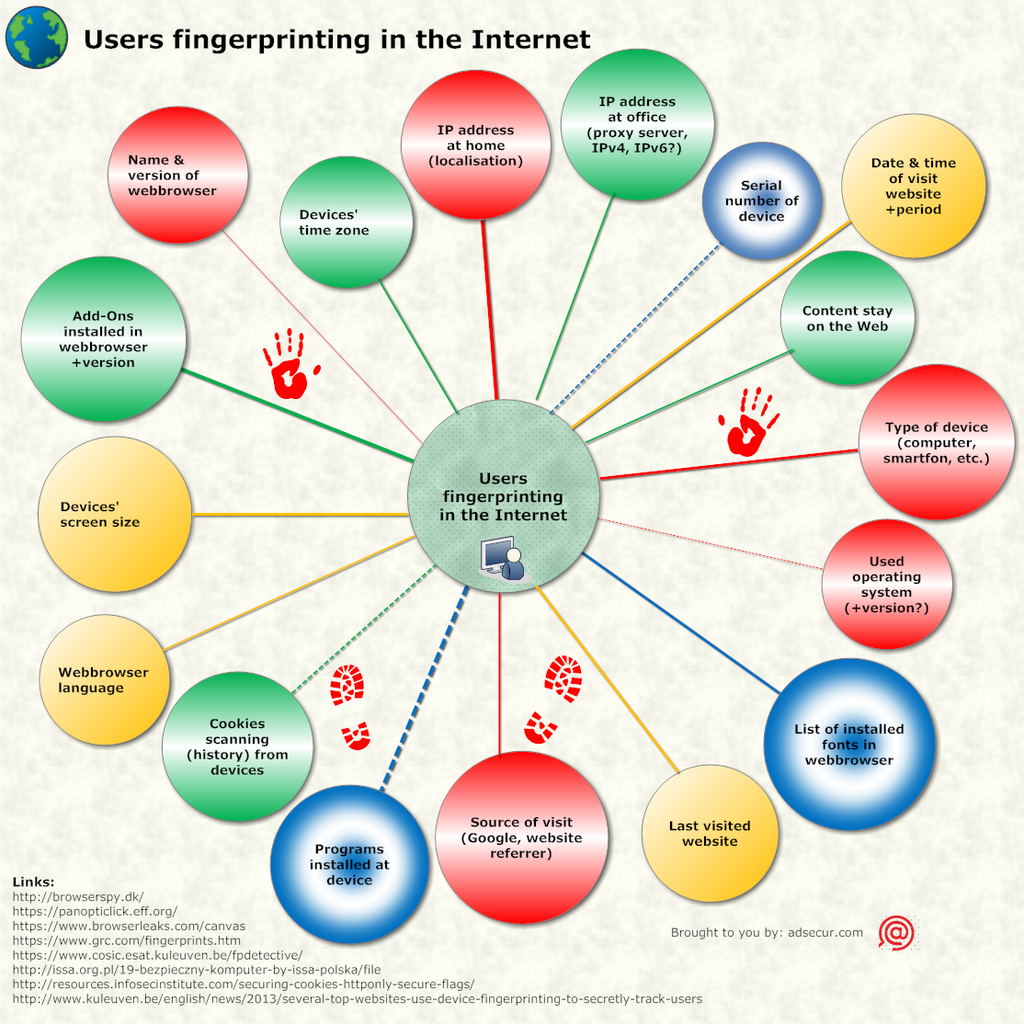
Implicit Data: This is information gathered about you. It includes your IP address, which websites you visit, how long you stay on a page, and your location data. This data is often collected by cookies and other tracking technologies.
Together, these pieces create a detailed profile of who you are, what you like, and how you behave online.
The Digital Footprint
Every action you take online contributes to your digital footprint—the trail of data you leave behind. This trail can be permanent and is often accessible to more people than you might think. It's crucial to understand the two main types of footprints you create.
The first place to start is by recognizing the two types of digital footprints—active, where information is deliberately shared, and passive, collected without one’s direct knowledge (which is most of it).
An active footprint includes things like sending an email, posting on social media, or filling out an online form. A passive footprint is created when data is collected without your direct input, such as a website tracking your browsing habits or an app collecting your location data.
Why does this matter? Your digital identity affects your reputation, both online and off. Employers often check candidates' social media profiles. What you've said or done online years ago can resurface unexpectedly. Managing your digital identity is about being mindful of the trail you leave and understanding that in the digital world, nothing truly disappears.
Ready to check your understanding? Let's see what you've learned.
What is the best definition of a 'digital identity'?
When you fill out an online form with your name and email address, you are providing...
Being aware of your digital identity and footprint is the first step toward managing your online presence effectively.