Primitive Branding Unveiled
Introduction to Primitive Branding
The First Brands
Long before logos and advertising, branding was a simple, practical act: making a mark. The word itself comes from the practice of burning a symbol onto livestock to show ownership. This was branding in its most literal form. It answered the basic question, “Whose is this?”
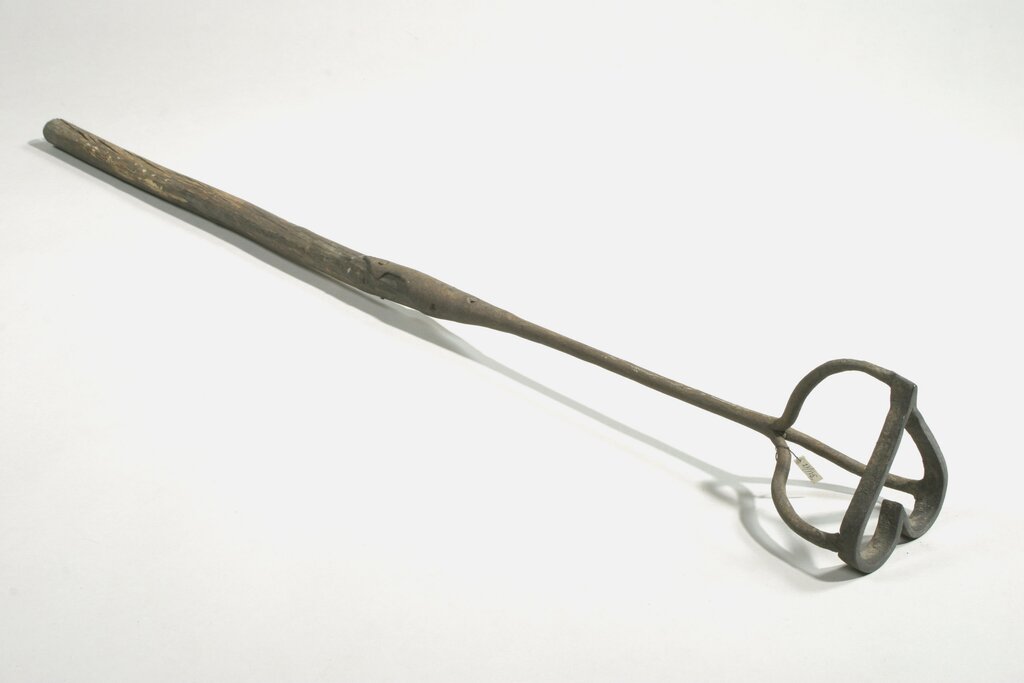
But soon, these marks began to mean more than just possession. A potter might press their thumbprint or a unique symbol into the base of a clay pot. This mark didn't just say, “This is mine.” It said, “I made this.”
Suddenly, the mark became a signature. It was a guarantee of a certain level of skill and quality. If a potter was known for making sturdy, reliable pots, their mark became a symbol of that reputation. People would seek it out.
Marks of Trust
This evolution from ownership to reputation was critical for trade. As goods began to travel farther from their source, buyers needed a way to trust what they were getting. An anonymous barrel of wine from a distant port was a gamble. But a barrel with a familiar merchant's seal was a known quantity.
Ancient Roman brick makers, for example, stamped their products with information about the clay pit and the workshop. This wasn't just for internal records. It allowed builders to identify high-quality materials and hold specific manufacturers accountable. These marks were a system of trust that allowed commerce to scale.
A simple mark transformed an anonymous object into a product with an origin, a maker, and a reputation.
Over time, these individual marks evolved into more organized systems. Craftsmen formed guilds, and the guild's mark on a product guaranteed it met a collective standard of quality. This protected both the artisans from imitators and the consumers from shoddy goods. The brand was no longer just about an individual, but about a community of practice.
Symbols and Society
The practice of branding eventually expanded beyond commerce. The most powerful entities in the ancient world, from empires to religions, understood the need for strong visual identities. A Roman legion's eagle standard wasn't a product for sale, but it was a powerful brand. It signified the might, discipline, and reach of Rome. Seeing it on the battlefield or in a conquered city communicated a clear and intimidating message.
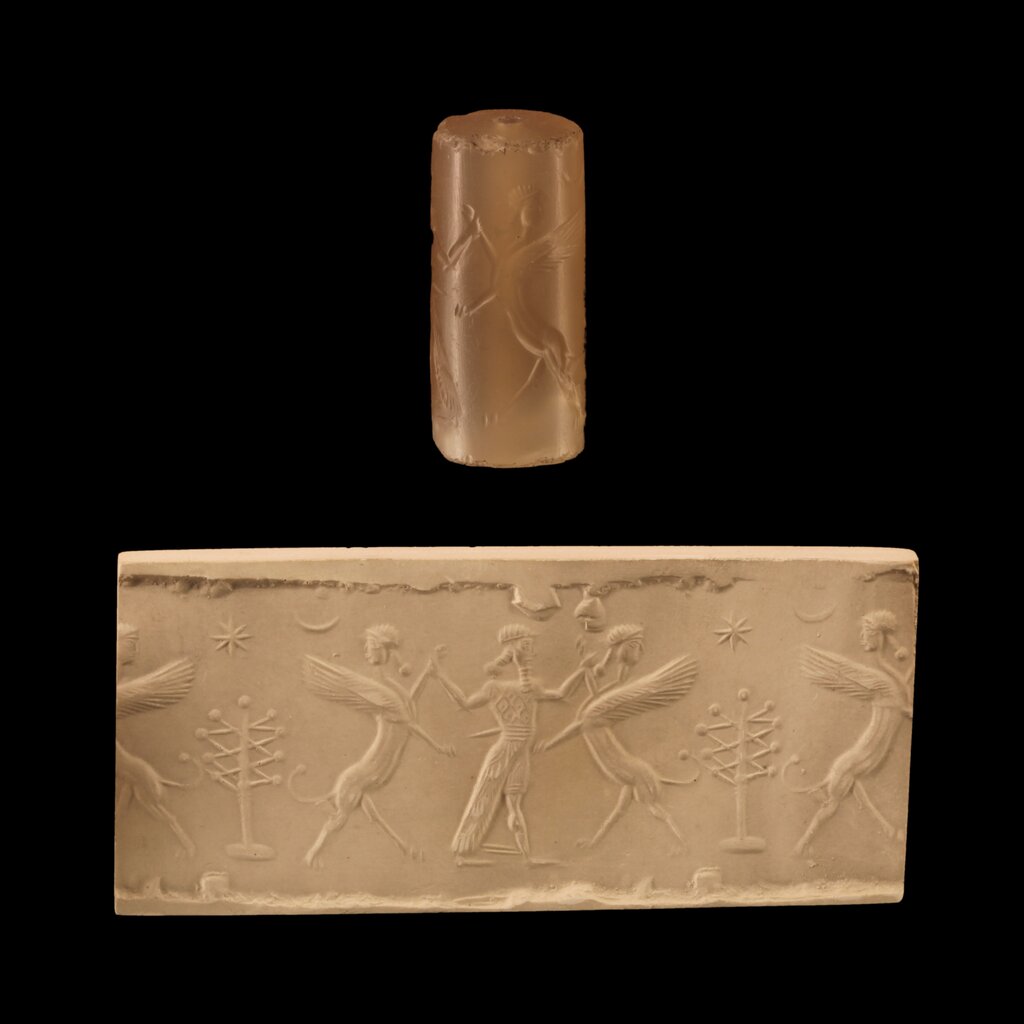
Similarly, symbols on coins weren't just decorative. They branded the currency with the authority of the ruler who minted it. Using a coin with an emperor's face on it was a small, daily act of recognizing that emperor's power.
These symbols helped build and reinforce social structures. They created a sense of shared identity, distinguished groups from one another, and communicated power hierarchies. From a simple mark of ownership to a complex symbol of empire, the core idea remained the same: to make a mark that carries meaning.
What was the original, most literal meaning of "branding"?
When a potter first put their unique symbol on a pot, how did the meaning of the mark fundamentally change from its origins?