Primary School Science Teaching Essentials
Understanding Science Education
The Goal of Science Class
Science education is about more than memorizing facts from a textbook. While knowing the order of the planets or the parts of a flower is useful, the true goal is much deeper. It's about nurturing a child's natural curiosity and teaching them how to ask questions, observe the world, and think critically.
The aim is to equip students with a way of thinking that they can apply to any situation, long after they've forgotten specific formulas. It’s about learning to see the world through a scientific lens, understanding that knowledge is built by testing ideas and that it's okay to be wrong. In short, the goal is to develop scientific literacy.
What Is Scientific Literacy?
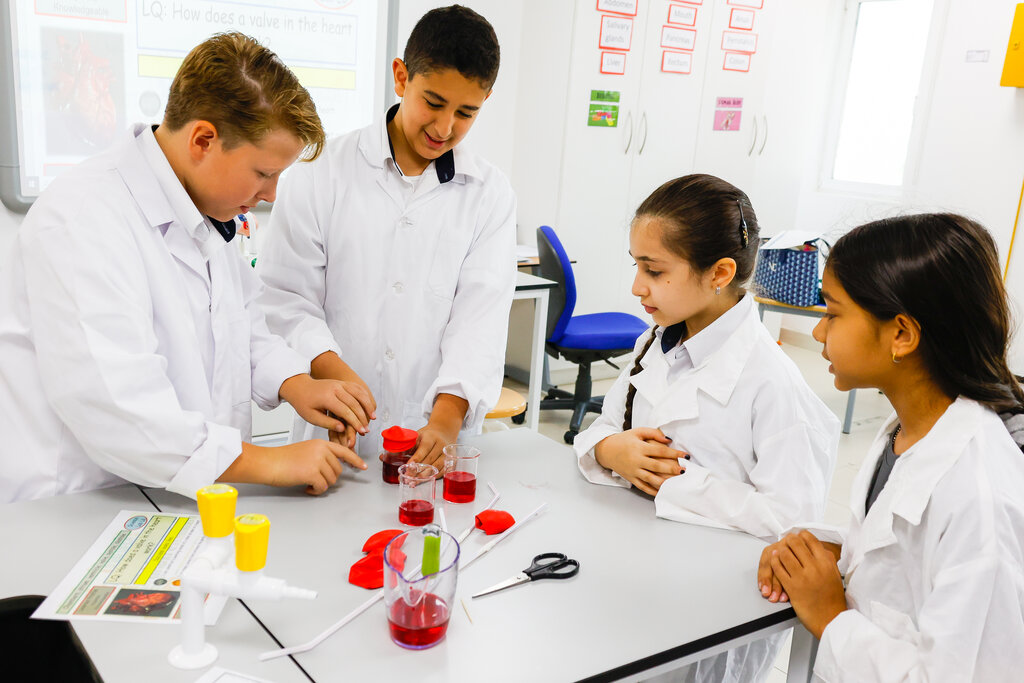
Scientific literacy isn't about being a scientist. It's the ability for anyone to understand, talk about, and make decisions on issues related to science and technology in everyday life. A scientifically literate person can read a news article about a new vaccine and understand the basics of how it works. They can participate in conversations about climate change or evaluate claims made in advertisements for health products.
Developing this literacy means teaching students to think like scientists. This involves:
- Asking questions: Why is the sky blue? How do plants grow?
- Evaluating evidence: Looking at information and deciding if it's reliable.
- Understanding the process: Realizing that science is a journey of discovery, not a fixed set of answers. It evolves as we learn more.
It’s a skill set for navigating a world that is increasingly shaped by science.
Rather than limiting students to rote memorization of current facts, students learn to think critically, reason ethically, and approach problems humbly—skills that remain valuable as scientific knowledge evolves.
The Educator's Role
In modern science education, the teacher is less of a lecturer and more of a guide. Their job isn't just to transfer information, but to spark curiosity and create an environment where students can discover things for themselves. An effective science educator facilitates learning by posing interesting problems, providing the tools for exploration, and guiding students as they find their own answers.
This role also involves creating an inclusive and supportive space. Every student should feel comfortable asking questions, proposing wild ideas, and even making mistakes. When students aren't afraid to be wrong, they are free to explore, which is where true learning happens.
Create a safe learning environment where learners feel comfortable making errors. Encourage others to view mistakes as opportunities for learning.
By fostering this kind of atmosphere, educators empower students to take ownership of their learning and build the confidence to tackle complex problems.
An Environment of Inquiry
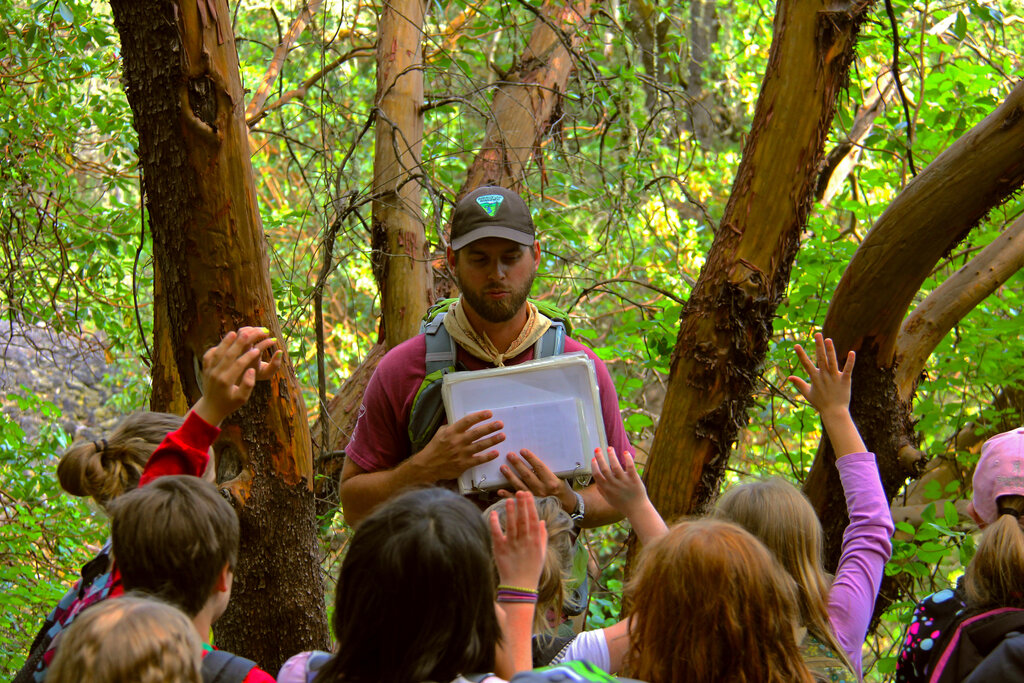
The classroom itself should be a place that breathes exploration. An engaging learning environment invites students to touch, build, and experiment. It connects scientific concepts to the world right outside the window, making learning relevant and exciting.
When a lesson about ecosystems involves a trip to a local park to look for insects, or when learning about physics involves building small catapults, the concepts stick. The goal is to make science a hands-on, active experience. This approach doesn't just teach science; it shows students that science is a fun and powerful way to understand their world.
Ultimately, a strong foundation in science education gives children more than knowledge. It gives them the tools to become curious, informed, and engaged citizens.
According to the principles of modern science education, what is the primary goal?
Which of the following best describes the role of a teacher in an effective science classroom?
These core principles lay the groundwork for how we approach science in the classroom. By focusing on curiosity, critical thinking, and exploration, we can help students build a lasting relationship with science.