Primary Scholarship in Bangladesh 2025
Introduction to Primary Education in Bangladesh
The First Steps
In Bangladesh, primary education forms the bedrock of the national learning system. It's the first formal stage of schooling for children, typically beginning at age six. The system is structured to cover five years of learning, from Class I to Class V.
Historically, students would cap off this stage with a national exam called the Primary Education Completion Examination (PECE). However, this high-stakes test has been suspended in recent years to shift focus from rote memorization to more holistic, competency-based learning. The goal is to ensure children don't just pass tests, but truly understand foundational concepts.
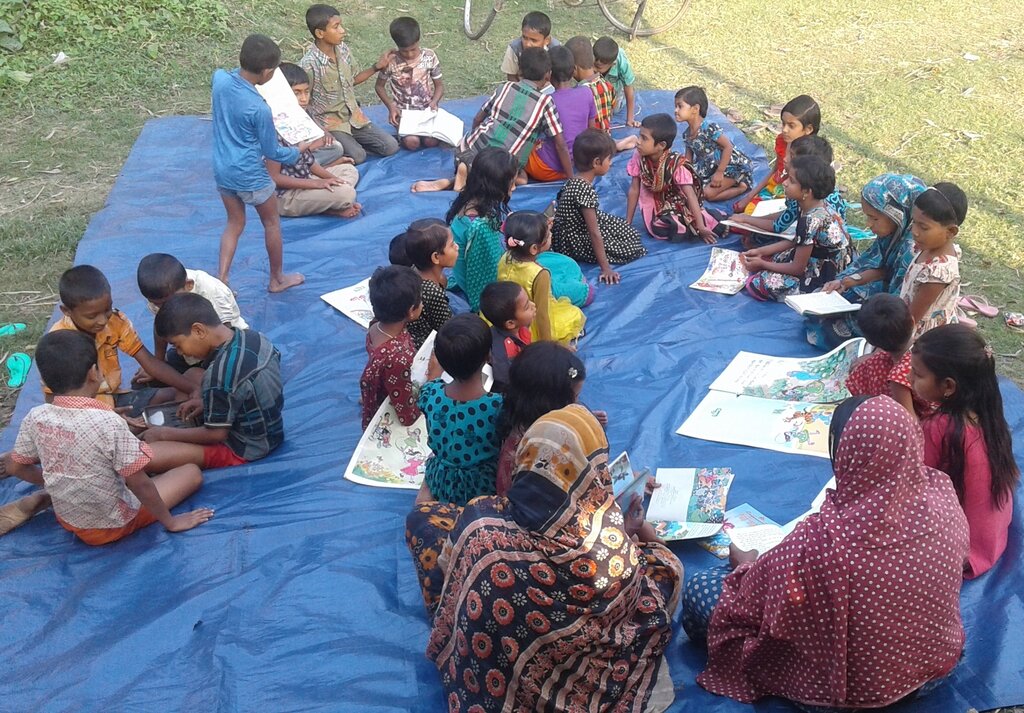
The overarching objective is universal primary education. Bangladesh aims to equip every child with basic literacy, numeracy, and essential life skills. The curriculum is designed to foster moral values, social awareness, and a sense of patriotism, preparing students to be responsible and engaged citizens.
A Brief History
After gaining independence in 1971, Bangladesh prioritized education as a tool for national development. A major turning point came in 1973 when the government nationalized over 36,000 primary schools, bringing them under state control to ensure broader access and standardized quality.
A landmark piece of legislation, the Compulsory Primary Education Act, was passed in 1990. This act made primary schooling mandatory for all children, marking a significant commitment to eradicating illiteracy. The law was implemented nationwide in phases, dramatically increasing enrollment rates across the country over the following decades.
What Students Learn
The curriculum for primary schools is developed by the National Curriculum and Textbook Board (NCTB). The board designs the syllabus and provides textbooks free of charge to all primary school students, a crucial initiative that helps reduce the financial burden on families.
The core subjects are designed to provide a well-rounded education, covering language, mathematics, science, and social studies.
| Subject | Focus Area |
|---|---|
| Bangla | Language proficiency and literature |
| English | Second language skills |
| Mathematics | Foundational numeracy and problem-solving |
| Bangladesh & Global Studies | History, geography, civics, and global awareness |
| Primary Science | Basic scientific concepts and inquiry skills |
| Religion & Moral Education | Religious studies and ethical values |
In recent years, the curriculum has shifted towards a competency-based model. This approach emphasizes what students can do with their knowledge, focusing on practical skills and critical thinking rather than just memorizing facts.
Who's in Charge?
The administration of primary education is centralized. At the top is the Ministry of Primary and Mass Education (MOPME), which is responsible for formulating policies, planning, and allocating resources for the entire sector.
Executing these policies on the ground is the job of the Directorate of Primary Education (DPE). The DPE manages the day-to-day operations of the primary school system. This includes everything from teacher recruitment and training to school supervision and the distribution of textbooks. This hierarchical structure ensures that national policies are implemented consistently across the country.
Overcoming Hurdles
Despite significant progress, Bangladesh's primary education system faces persistent challenges. Ensuring equitable access remains a major hurdle. Children in remote rural areas, urban slums, and those from extremely poor families are often at a disadvantage. Child labor also continues to pull children out of classrooms.
Quality is another critical area of concern. While enrollment is high, the quality of education can vary greatly. Issues like large class sizes, a shortage of well-trained teachers, and inadequate learning materials can hinder student learning outcomes. Efforts are ongoing to improve teacher training and provide better resources to schools.
Finally, the system struggles with equity. There is a noticeable gap in quality between urban and rural schools. Additionally, integrating children with disabilities into mainstream schooling remains a challenge, though inclusive education policies are being developed to address this.
Achieving quality education for all requires not just getting children into school, but ensuring they receive meaningful instruction in a supportive environment.
Through continued government focus and partnerships with non-governmental organizations, Bangladesh is working to strengthen its primary education system, aiming to provide every child with the strong foundation they need to succeed.
Ready to test your knowledge? Let's see what you've learned about primary education in Bangladesh.
What significant event in 1973 profoundly impacted primary education in Bangladesh?
Which organization is responsible for designing the syllabus and providing free textbooks to primary school students in Bangladesh?