Primary Immunodeficiency Market USA
Introduction to Primary Immunodeficiency
When the Body's Defenses Falter
Our immune system is a silent, tireless protector. It’s a complex network of cells, tissues, and organs that work together to defend against invaders like bacteria, viruses, and fungi. But what happens when this system has a built-in flaw? This is the reality of primary immunodeficiency diseases, often called PIDDs or inborn errors of immunity.
Unlike immune issues acquired later in life, primary immunodeficiencies are genetic. A person is born with the condition because of a mutation in one or more genes.
These genetic errors can disrupt the immune system in countless ways. They might prevent certain immune cells from developing, stop them from functioning correctly, or cause a complete absence of a crucial component of the immune response. Because the system is weakened, people with PIDD are more susceptible to infections. These infections can be frequent, severe, unusually long-lasting, or caused by germs that wouldn't make a healthy person sick.
A Spectrum of Disorders
Primary immunodeficiency isn't a single illness. It's a broad term for over 450 distinct genetic disorders. These conditions vary widely in their severity and the parts of the immune system they affect. To make sense of them, experts group them into several major categories based on which part of the immune defense is broken.
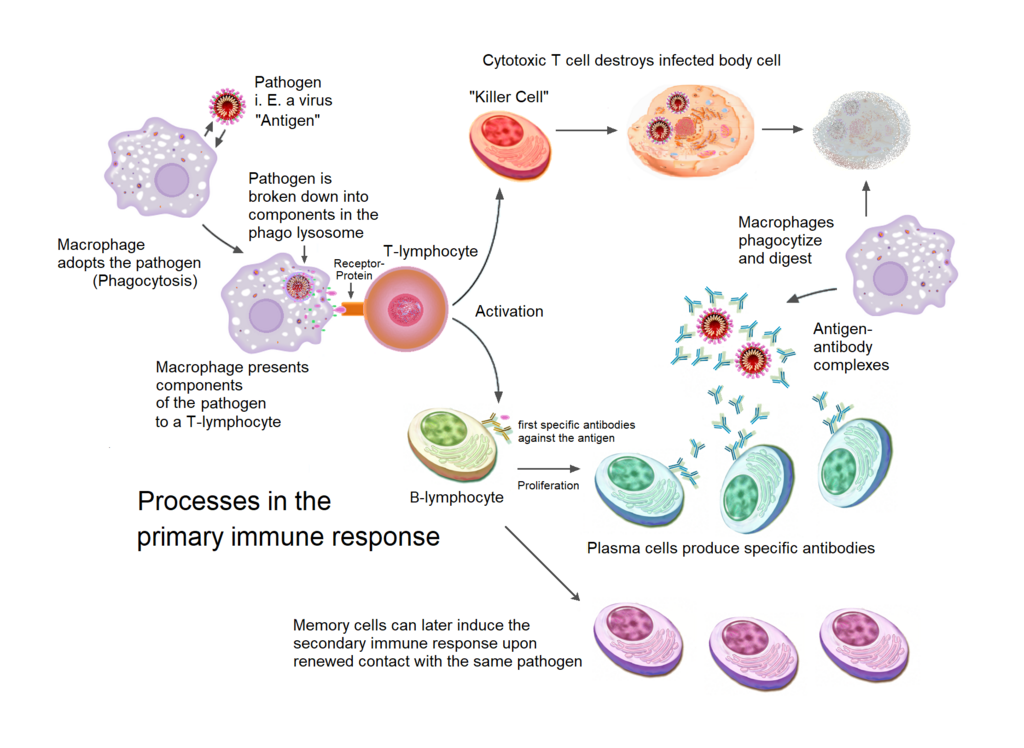
The most common types are antibody deficiencies, which involve problems with B cells. B cells are responsible for producing antibodies, the proteins that recognize and tag invaders for destruction. Without enough functional antibodies, the body struggles to fight off common bacteria.
Other disorders involve T cell deficiencies. T cells are the generals of the immune army. They coordinate the attack and can directly kill infected cells. Defects in T cells often lead to very severe and life-threatening infections, as the entire immune response is compromised. When both B and T cells are affected, it's called a combined immunodeficiency (CID). The most severe form of CID is Severe Combined Immunodeficiency, or SCID.
Less common categories include:
- Phagocyte defects: Phagocytes are cells that engulf and digest microbes. When they don't work properly, bacteria can multiply unchecked.
- Complement deficiencies: The complement system is a group of proteins that “complement” the work of antibodies, helping to kill bacteria and signal to other immune cells.
- Defects in innate immunity: This involves flaws in the body's first line of defense, a more generalized response system that provides immediate protection against infection.
Prevalence and Diagnosis
For a long time, PIDDs were considered extremely rare. However, we now know they are more common than previously thought. It's estimated that as many as 1 in 1,200 people in the United States may have some form of primary immunodeficiency. This means around 250,000 people in the U.S. are living with one of these conditions, though many remain undiagnosed.
Efficient early identification of primary immunodeficiency disease (PID) is important for prognosis, but is not an easy task for non-immunologists.
The journey to a diagnosis can be long and frustrating. Because the main symptom is frequent infections—like sinus infections, pneumonia, or bronchitis—the underlying cause is often missed. A doctor might treat each infection as a separate event, not recognizing the pattern that points to a weakened immune system.
Early diagnosis is critical. Without it, repeated infections can cause permanent damage to organs like the lungs and ears. It can also lead to other serious health problems, including autoimmune disorders and an increased risk of certain cancers. Recognizing the warning signs and getting a proper diagnosis allows for management that can prevent these complications and dramatically improve a person's quality of life.
What is the fundamental cause of Primary Immunodeficiency Diseases (PIDDs)?
Which category of primary immunodeficiency is the most common?