Primal Reflex Release Technique
Introduction to PRRT
Resetting the System
Primal Reflex Release Technique, or PRRT, is a manual therapy for treating musculoskeletal pain. Its main goal is to identify and release overactive primal reflexes that contribute to pain and restricted movement. Think of it as a way to reboot the nervous system's protective responses that have gotten stuck in the "on" position.
Instead of focusing solely on tight muscles or misaligned joints, PRRT targets the underlying reflexes that keep those muscles tense. The techniques are typically gentle and brief, aiming to quickly persuade the nervous system to let go of its defensive patterns.
A Different View of Pain
PRRT was developed in the 1990s by physical therapist John Iams. He observed that many patients' pain and stiffness didn't just come from the site of an injury. It was also driven by the body's automatic, deeply ingrained reactions to that injury or threat.
This insight shifted the focus from treating the symptom, like a tight muscle, to treating the root cause: an overactive reflex arc in the nervous system. The core idea is that even after an injury has healed, these protective reflexes can remain active, causing chronic pain and tension. PRRT was designed to address this neurological side of pain.
The practitioner works with the client using gentle movements and positioning of the body to stimulate proprioceptive reflexes in muscle and tendon releasing tension.
Understanding Primal Reflexes
Primal reflexes are the body's first line of defense. They are automatic survival responses hardwired into our nervous system. While essential for protection, they can become overactive and contribute to persistent pain. PRRT primarily addresses three types.
Startle Reflex
noun
The body's rapid, defensive reaction to a sudden or unexpected stimulus, such as a loud noise. It causes muscles throughout the body, especially in the neck and back, to contract instantly.
When the startle reflex is chronically active, it can lead to generalized tension, anxiety, and pain, particularly in the upper body.
Withdrawal Reflex
noun
The automatic response of pulling a body part away from a painful or harmful stimulus, like touching a hot stove. It's a localized protective action to prevent or minimize tissue damage.
An overactive withdrawal reflex can cause specific muscles to remain tense, guarding an area long after the initial threat is gone.
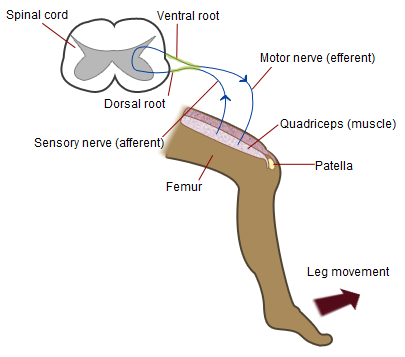
The third type is the protective joint reflex. When a joint is injured or feels unstable, the surrounding muscles automatically tighten up to guard and immobilize it. This is helpful at first, but if the reflex doesn't turn off, it results in chronic stiffness, limited range of motion, and persistent pain around the joint.
PRRT's Role in Pain Management
PRRT offers a unique perspective in the world of physical therapy and pain relief. By focusing on the nervous system's control over the muscular system, it can often create rapid changes where other methods have been slow. It's not about stretching a muscle, but about convincing the brain to stop sending the signal for that muscle to be tight.
This approach complements traditional therapies. It provides a way to quickly break through protective patterns that keep the body in a cycle of pain, making it easier for other treatments to be effective. By calming these deep-seated reflexes, PRRT helps restore normal movement and reduce pain at its source.
Now, let's test what you've learned about the fundamentals of PRRT.
What is the primary target of Primal Reflex Release Technique (PRRT)?
A person has persistent, generalized tension across their shoulders and neck, and they startle easily. According to PRRT, which reflex is likely overactive?