Pricing Your Artwork
Understanding Art Market Dynamics
The Two Art Markets
Every work of art lives in one of two worlds: the primary market or the secondary market. Understanding the difference is key to understanding how art gets its price tag.
The primary art market is where a piece of art is sold for the very first time. This happens when the artist sells their work directly to a buyer or, more commonly, through a gallery that represents them. Think of it like buying a brand-new car straight from the dealership. It’s the work’s debut, its first entry into the world of commerce.
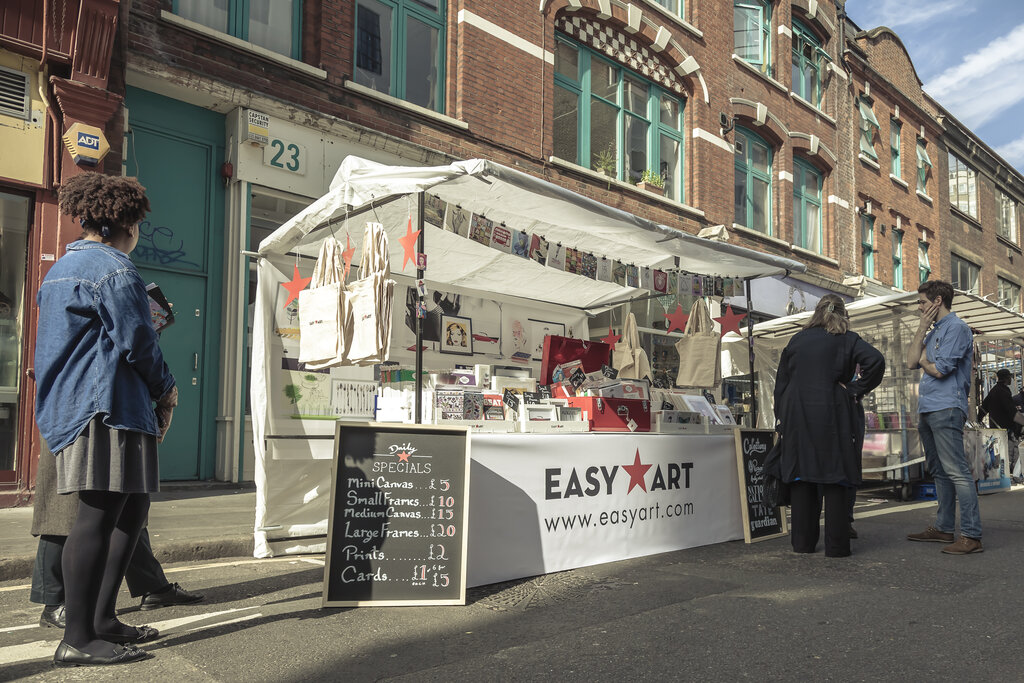
Once a piece has been sold on the primary market, any future sales happen on the secondary market. This is the world of resales. Here, collectors sell to other collectors, often with the help of auction houses or private dealers. The original artist typically isn't involved in these transactions and doesn't earn any money from them. This is the used car market of the art world, where the value of a piece is tested over time.
Key Players and Places
The art market is an ecosystem with several important players, each with a specific role.
Art galleries are the backbone of the primary art market, connecting artists with collectors.
Art galleries are the primary champions for living artists. They discover talent, nurture careers, and build an artist's reputation. A gallery invests in an artist by mounting exhibitions, marketing their work, and connecting them with influential collectors and museum curators. In exchange, the gallery takes a commission on sales, typically around 50%.
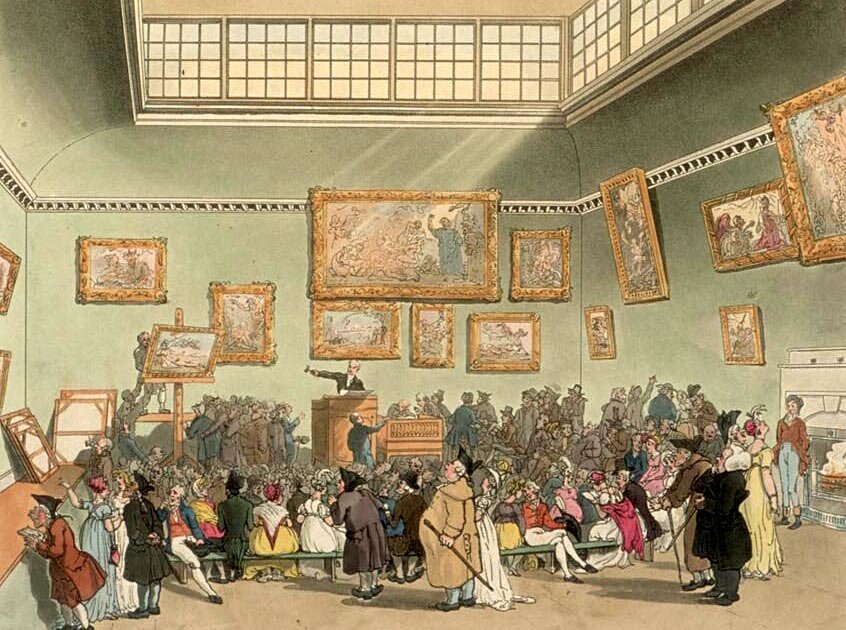
Auction houses are the titans of the secondary market. Big names like Sotheby's and Christie's handle the sale of artworks that have already been owned by at least one collector. They are public spectacles where the value of an artwork is determined by competitive bidding. While they mostly deal in works by established or deceased artists, some also dabble in the primary market.
More recently, online platforms have changed the game. Websites like Artsy and Artnet operate as virtual galleries and auction houses, giving artists and collectors access to a global market. These platforms can offer greater transparency and allow artists to sell directly to buyers, disrupting the traditional gallery model.
What Determines Value?
Why does one painting sell for $1,000 and another for $10 million? The value of art is a complex mix of tangible and intangible factors. It isn't just about what the work looks like.
An artist's reputation is paramount. This is built over time through their exhibition history, education and training, awards they've won, and inclusion in prestigious museum or corporate collections. A strong, positive reputation and critical acclaim significantly increase the value of their work.
Just as important is an artwork's provenance.
provenance
noun
The chronological history of the ownership, custody, or location of a historical object. It serves as a record of authenticity and lineage for a piece of art.
A well-documented provenance can prove a work is authentic and not a forgery. If a piece was owned by a famous collector, its value might increase simply because of that association. A murky or incomplete provenance, on the other hand, can raise red flags and suppress the price.
Other factors play a part too. The physical condition of the work, the medium (oil on canvas is often more valued than a work on paper), its size, and the subject matter all contribute. Finally, the art market is subject to trends, just like fashion. What's popular with collectors today can shift, affecting the prices of certain styles or artists.
Navigating the art market requires understanding these moving parts. For an artist, knowing how the system works is the first step toward finding a place within it and pricing their work with confidence.
A work of art is being sold for the very first time. In which market is this transaction taking place?
What is the primary role of an art gallery in the art ecosystem?