Pricing and Selling Tickets for Major Sports Events
Introduction to Ticket Pricing
Pricing the Big Game
Setting the price for a sporting event ticket seems simple, but it's a careful balancing act. Price it too high, and you're left with empty seats. Price it too low, and you're leaving money on the table. The sweet spot is found by understanding market demand, which is just a way of asking: how many people want to buy tickets at various prices?
Many factors stir up demand. A championship game against a historic rival will have fans clamoring for tickets, while a preseason match against a lesser-known team might struggle to fill seats. The presence of a superstar player, the day of the week, and even the time of the game all play a role. The goal is to gauge this interest and set prices that match what the market is willing to pay.
This graph shows the basic idea. The supply of seats in a stadium is fixed—you can't add more chairs for a popular game. The demand curve shows that as the price goes down, more people are willing to buy. The point where these lines meet is the equilibrium, the theoretical price that perfectly matches the number of available seats with the number of interested fans.
Not All Seats Are Equal
Of course, not every seat in a stadium is the same. A front-row seat at center court offers a very different experience than a spot in the last row of the upper deck. Because of this, venues use tiered pricing, charging different prices for different seating categories. This strategy allows them to cater to fans with different budgets and preferences.
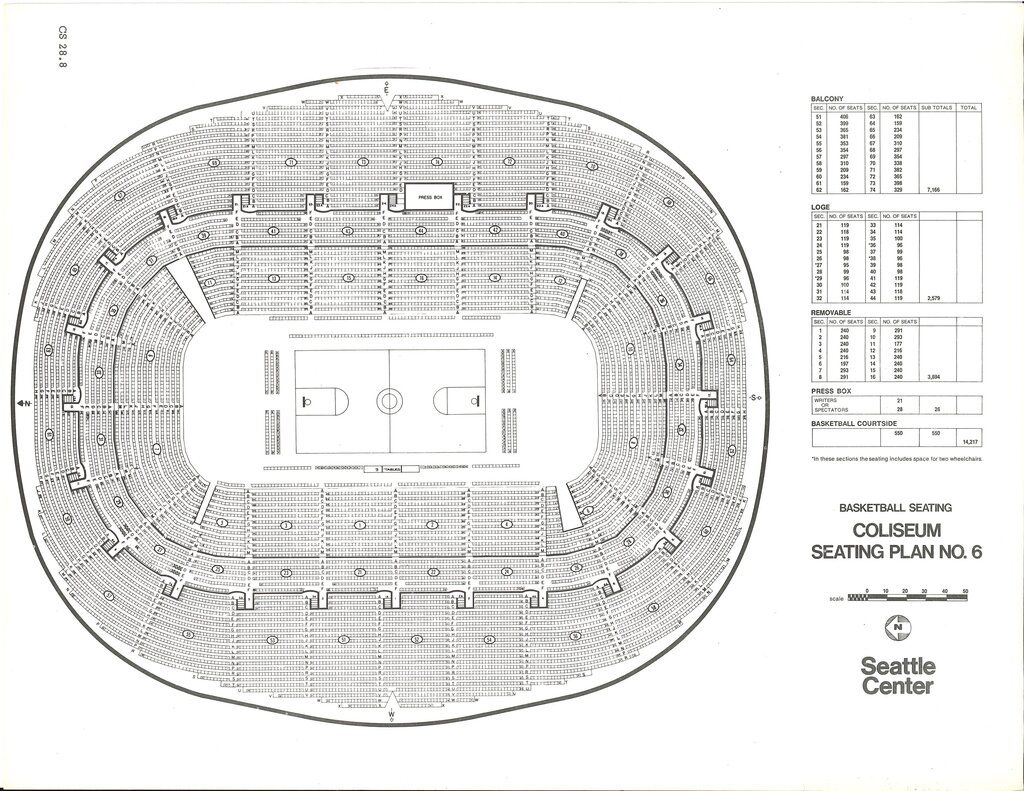
As you can see in the seating chart, sections are color-coded by price. The best seats, with unobstructed views, command the highest prices. Seats further away or with partially obstructed views are more affordable. This approach helps maximize revenue by capturing the highest amount each fan is willing to pay for their preferred experience.
Tiered pricing opens the doors to a wider range of fans, from the casual observer looking for a cheap ticket to the die-hard supporter willing to pay a premium for the best view.
Responding to the Market
Ticket pricing isn't a one-time decision. Market dynamics, or the changing conditions of the market, require constant adjustments. For example, if a team unexpectedly goes on a winning streak, demand for tickets will soar. If a star player gets injured, demand might fall. Venues need to be nimble and respond to these shifts.
This is where dynamic pricing comes in. Much like airline tickets, the price of a sports ticket can change over time based on real-time demand. If tickets for an upcoming game are selling faster than expected, the system might automatically increase the price for the remaining seats. Conversely, if sales are sluggish, prices might be lowered to attract more buyers. This strategy helps ensure the venue is always adapting to the current market.
Ticket Pricing Models: Dynamic pricing algorithms adjust ticket costs in real-time based on demand, opponent, and external factors, maximizing stadium revenue.
Understanding these core principles—demand, seating tiers, and market dynamics—is the first step in mastering the art and science of ticket pricing. Now, let's check your understanding.
What is the primary goal of setting a 'sweet spot' price for a sporting event ticket?
In a standard supply and demand graph for event tickets, the supply of seats is typically represented by a vertical line. Why is this?
By balancing these factors, teams and venues can create a pricing strategy that keeps fans happy and business healthy.